Introduction to Photoelectric Sensors
Photoelectric sensors are essential components in modern industrial automation, converting light signals into electrical outputs to detect objects, presence, or distances. They operate based on light emission and reception, offering high accuracy and reliability in harsh environments. This article provides concrete examples of photoelectric sensors widely used in manufacturing, packaging, and logistics.
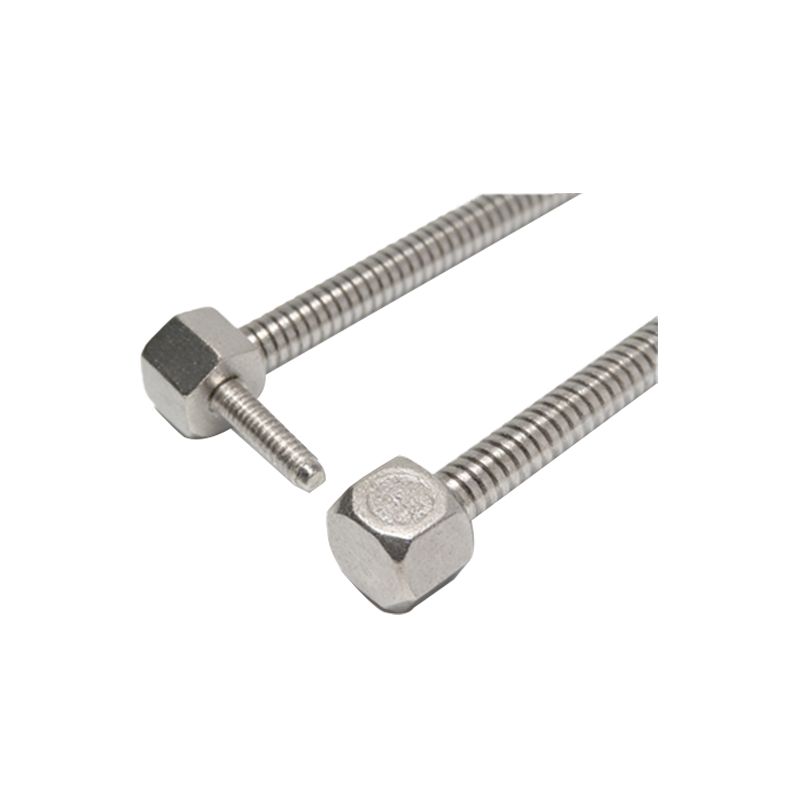
Through-Beam Photoelectric Sensor: SICK WL12G-3P3732
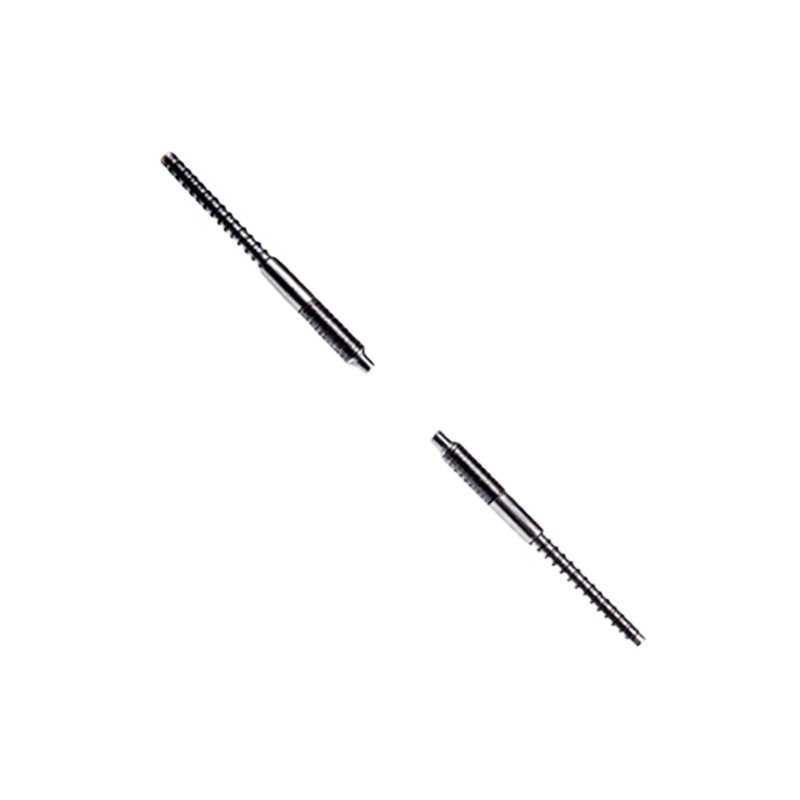
The SICK WL12G-3P3732 is a classic through-beam sensor, consisting of a separate emitter and receiver. When an object interrupts the light beam between them, the sensor triggers a signal. This example is ideal for long-range detection up to 20 meters, often applied in conveyor belt systems for counting products or detecting jammed items. Its robust metal housing ensures durability in dusty or oily conditions.
Retro-Reflective Photoelectric Sensor: Banner QS18VP6LLP
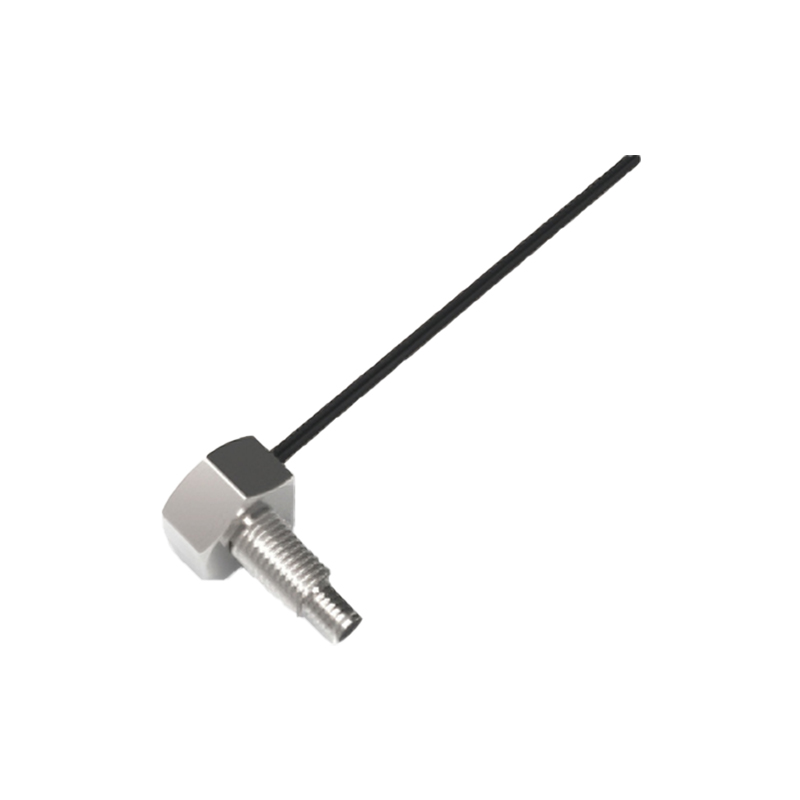
Banner Engineering’s QS18VP6LLP is a retro-reflective sensor that uses a reflector to bounce the emitted light back to the receiver. It detects objects when the light path is blocked. This example excels in medium-range applications, such as monitoring liquid levels in transparent bottles or verifying cap presence on pharmaceutical containers. Its polarized version minimizes false signals from shiny surfaces.
Diffuse Photoelectric Sensor: Omron E3Z-D61
The Omron E3Z-D61 is a diffuse sensor where the emitter and receiver are in the same housing. It detects objects by reflecting light off the target itself. This example is popular for short-range sensing, like detecting boxes on a palletizer or checking for labels on packaging. Its adjustable sensitivity allows fine-tuning for different colors and materials, such as black rubber mats or white cardboard.
Fiber Optic Photoelectric Sensor: Keyence FU-63T
Keyence’s FU-63T is a fiber optic sensor that uses flexible fiber cables to separate the electronics from the sensing head. This design enables detection in confined spaces or high-temperature areas. For instance, it monitors micro-screw positions in electronics assembly or detects small parts in food processing ovens. The remote amplifier provides stable performance despite cable bending.
Specialized Photoelectric Sensor: Pepperl+Fuchs ML100-55/95/102
The Pepperl+Fuchs ML100-55/95/102 is a background-suppression diffuse sensor, which ignores objects beyond a set cutoff distance. This example targets precise applications, such as detecting transparent wafers in semiconductor manufacturing or sorting colored components in automotive lines. Its fast response time (under 1 ms) suits high-speed packaging machines.
Conclusion
Each photoelectric sensor example—through-beam, retro-reflective, diffuse, fiber optic, and background-suppression—addresses distinct industrial needs. Selecting the right type depends on distance, object properties, and environmental factors. Engineers should evaluate specifications like sensing range, output type, and ambient light immunity to optimize automation processes.