Introduction to Lenovo Photoelectric Sensors
Lenovo has established itself as a leader in computing and technology, but its expansion into industrial automation with photoelectric sensors marks a significant milestone. These sensors are designed to detect the presence, absence, or distance of objects using light-emitting diodes (LEDs) or laser diodes, offering high precision and reliability. In industrial settings, they are crucial for tasks ranging from counting products on a conveyor belt to ensuring safety in robotic environments. With a focus on durability and accuracy, Lenovo's photoelectric sensors integrate seamlessly into existing systems, reducing downtime and enhancing productivity. Their robust design withstands harsh conditions, such as dust, moisture, and vibration, making them ideal for manufacturing plants, warehouses, and logistics centers.
Key Features and Technical Specifications
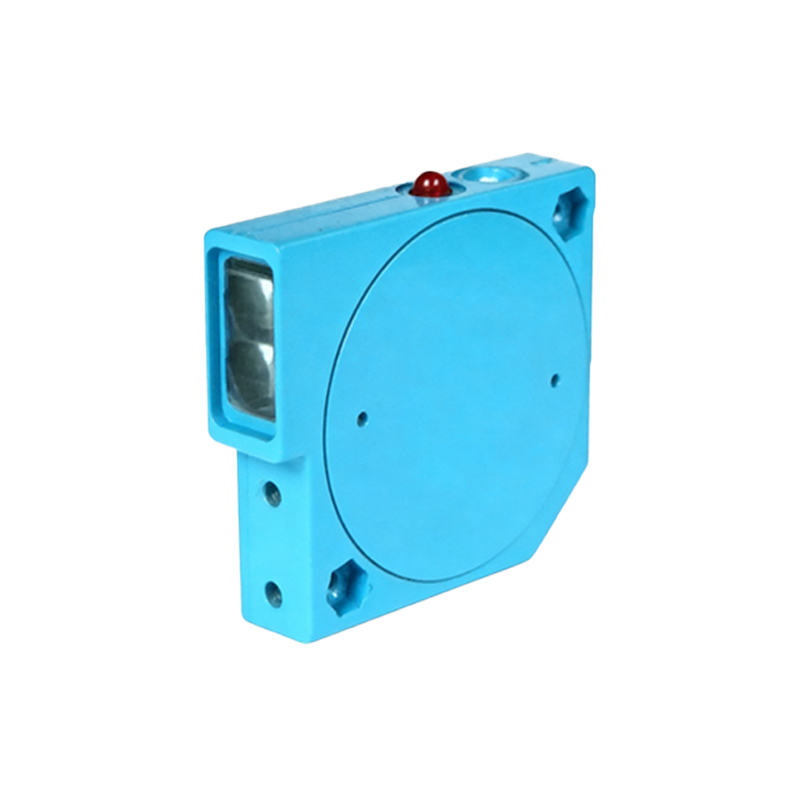
Lenovo photoelectric sensors boast advanced features tailored to industrial needs. They support various sensing modes, including through-beam, retro-reflective, and diffuse reflection, each suited for different applications. The through-beam mode offers the longest detection range, ideal for long-distance monitoring, while the retro-reflective mode simplifies installation with a single unit and reflector. Diffuse reflection sensors are perfect for detecting objects without a reflector, even in confined spaces. Key specifications include a detection range of up to 30 meters, response times as low as 1 millisecond, and IP67 protection ratings for resistance to water and dust. Additionally, they offer output options like NPN, PNP, and analog signals, ensuring compatibility with PLCs and other controllers.
Integration into Automation Systems
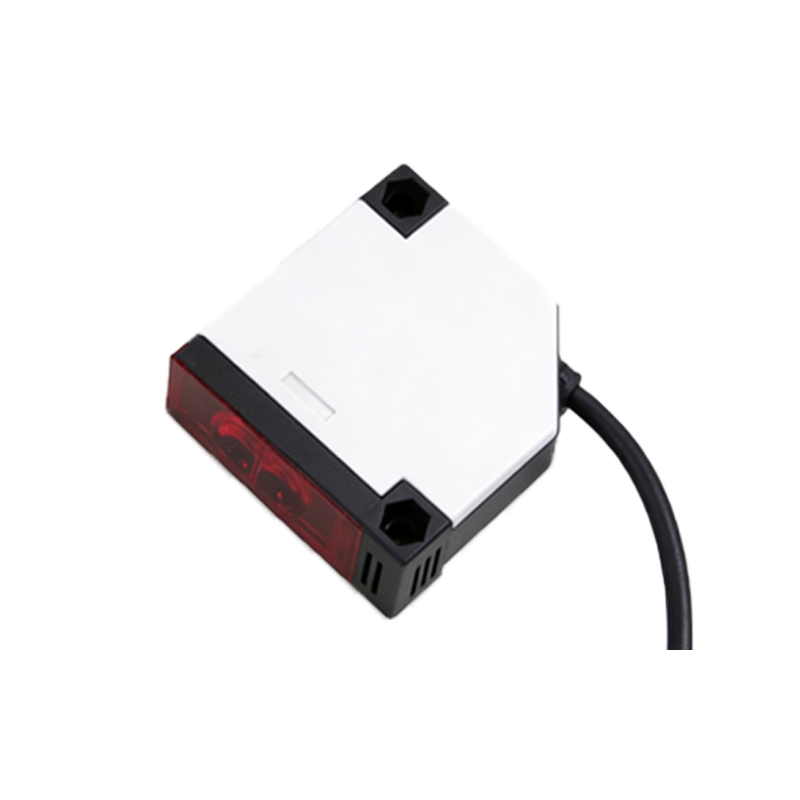
Integrating Lenovo photoelectric sensors into existing automation systems is straightforward due to their modular design and standard interfaces. They can be connected via M12 connectors or pre-wired cables, and configuration is done through intuitive software or DIP switches. For example, in a packaging line, these sensors can precisely detect product positions to trigger sorting mechanisms, reducing errors and waste. In robotic applications, they ensure safe operation by monitoring the presence of obstacles. Lenovo also provides comprehensive documentation and technical support, enabling engineers to quickly adapt these sensors for custom solutions. The sensors' compatibility with Industry 4.0 protocols, such as IO-Link, allows for real-time data transmission and predictive maintenance, further optimizing production efficiency.
Typical Applications in Manufacturing and Logistics
Lenovo photoelectric sensors excel in diverse industrial applications. In manufacturing, they are used for part detection, quality control, and counting. For instance, on an assembly line, a diffuse reflection sensor can verify the presence of small components, while a through-beam sensor monitors pallet flow in a warehouse. In logistics, these sensors automate sorting systems, detect conveyor jams, and guide automated guided vehicles (AGVs). Their ability to operate in high-speed environments ensures minimal delays, and their rugged build handles temperature extremes from -25°C to 70°C. Case studies from automotive and food processing industries show a 20% reduction in downtime and a 15% increase in throughput after implementing Lenovo sensors.
Best Practices for Installation and Maintenance
To maximize performance, proper installation is key. Mount sensors on stable surfaces to avoid misalignment, and ensure the sensing path is clear of obstructions. For retro-reflective models, align the sensor and reflector precisely to prevent false triggers. Regularly clean the lens with a soft cloth to remove dust or oil, as contaminants can degrade detection accuracy. Conduct periodic calibration checks using test objects to verify range and response time. Lenovo recommends using shielded cables to minimize electromagnetic interference in noisy industrial environments. By following these practices, engineers can extend sensor lifespan by up to 30% and maintain consistent performance.
Conclusion: Future Trends and Innovations
As smart factories evolve, Lenovo continues to innovate in photoelectric sensing. Future trends include integration with AI for adaptive thresholding, enabling sensors to learn from environmental changes. Additionally, miniaturization will allow deployment in tighter spaces, while energy-efficient designs reduce operational costs. Lenovo's commitment to R&D ensures these sensors will support advanced automation, such as collaborative robots and digital twin systems. For engineers, adopting Lenovo photoelectric sensors means staying ahead in the Industry 4.0 landscape, driving efficiency, and achieving sustainable growth.