Introduction to Photoelectric Sensors
Photoelectric sensors are essential components in industrial automation, converting light signals into electrical signals for object detection, distance measurement, and position sensing. As an electrical engineer, understanding the underlying measurement circuit is critical for optimizing performance in harsh environments. These sensors operate based on the modulation of light from an emitter to a receiver, with the circuit processing changes in light intensity to trigger outputs.
Basic Operating Principle
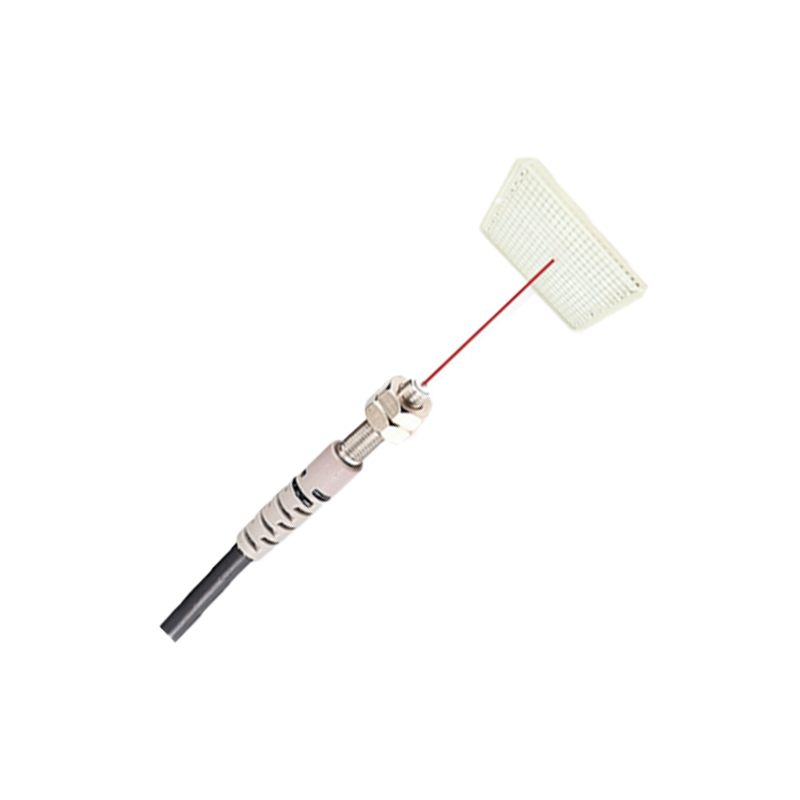
The core of a photoelectric sensor measurement circuit involves three key elements: a light source (e.g., LED or laser), a photodetector (e.g., photodiode or phototransistor), and a signal processing unit. The emitter sends a beam of light toward the target. When the target reflects, interrupts, or absorbs the light, the photodetector receives a modified signal. This signal, often a small current, is then converted into a voltage using a transimpedance amplifier, which is essential for accurate measurement.
Circuit Topology and Key Components
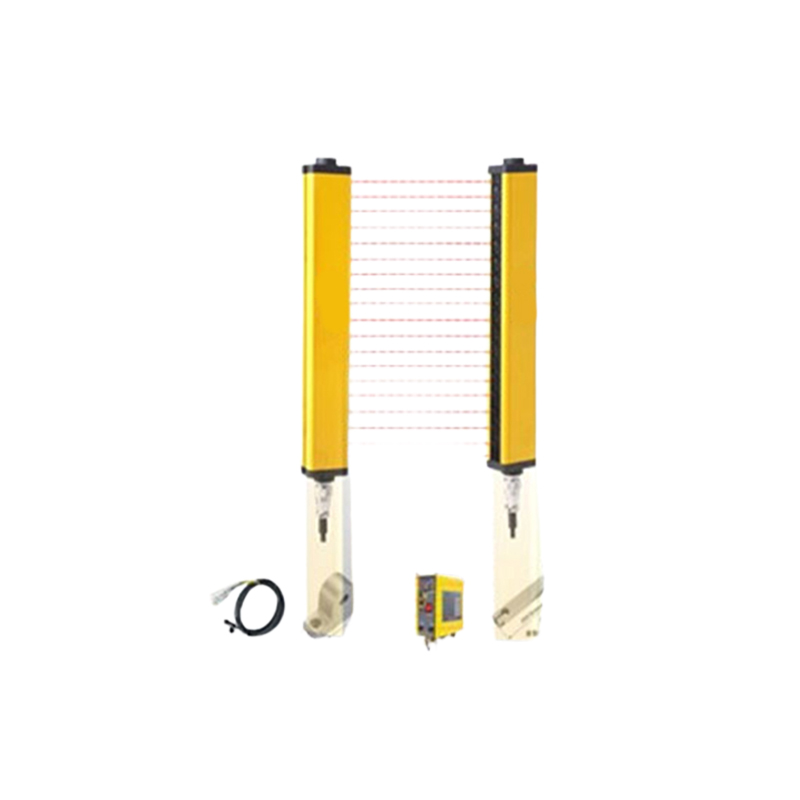
A typical measurement circuit starts with a photodiode in photovoltaic or photoconductive mode. In photovoltaic mode, the photodiode generates a voltage proportional to light intensity, suitable for low-speed applications. For high-speed environments, photoconductive mode with reverse bias improves response time. The signal then passes through a high-gain operational amplifier with feedback resistors to eliminate noise. An analog-to-digital converter (ADC) quantizes the voltage for digital processing. Engineers often use a bandpass filter to isolate the modulated light frequency from ambient light interference.
Modulation and Demodulation Techniques
To reject ambient light, measurement circuits employ modulation techniques. The emitter is pulsed at a specific frequency (e.g., 1 kHz to 100 kHz). The receiver uses a synchronous demodulator, which multiplies the input signal with a reference pulse from the emitter. This extracts only the modulated component, effectively canceling DC drift from sunlight or artificial lighting. The demodulated signal is then low-pass filtered to recover the DC level proportional to the target distance or presence.
Noise Reduction Strategies
Noise is a major challenge in photoelectric measurement. Engineers implement shielding on the photodiode to reduce electromagnetic interference. A differential amplifier pair can cancel common-mode noise from power lines. Additionally, using a constant current source for the LED stabilizes light output, preventing fluctuations from thermal drift. For high-precision applications, a lock-in amplifier technique further suppresses noise by correlating the signal with the modulation frequency over multiple cycles.
Output Stage and Interface Design
The processed signal drives the output stage, which can be analog (e.g., 0-10 V or 4-20 mA) or digital (e.g., NPN/PNP transistor or RS-485). For analog outputs, a voltage-to-current converter ensures linearity over the measurement range. Digital outputs use a comparator with hysteresis to avoid chattering near threshold. Engineers must consider load capacitance and cable length to maintain signal integrity, often adding a line driver for long-distance transmission.
Practical Considerations for Engineers
When designing or selecting a photoelectric sensor circuit, engineers must evaluate the target material (e.g., reflective, transparent, or dark surfaces), ambient light conditions, and response time requirements. Using a modulated circuit with automatic gain control (AGC) adapts to varying reflectivity. Calibration against a standard reference ensures accuracy. Thermal management of the emitter and receiver is also vital to prevent drift in industrial settings with temperature extremes.