Understanding the Phenomenon of Dim Sensor Lights
In industrial automation, PLC photoelectric sensors are critical for detecting object presence, position, or distance. When the sensor’s indicator light appears dim or micro-bright, it often signals an underlying issue in the electrical or optical path. This condition, where the LED fails to reach its full illumination, can stem from factors like insufficient power supply voltage, degraded emitter components, or contamination on the lens. For engineers, recognizing this symptom early prevents false triggers or missed detections in production lines.
Common Causes of Dim LED Output
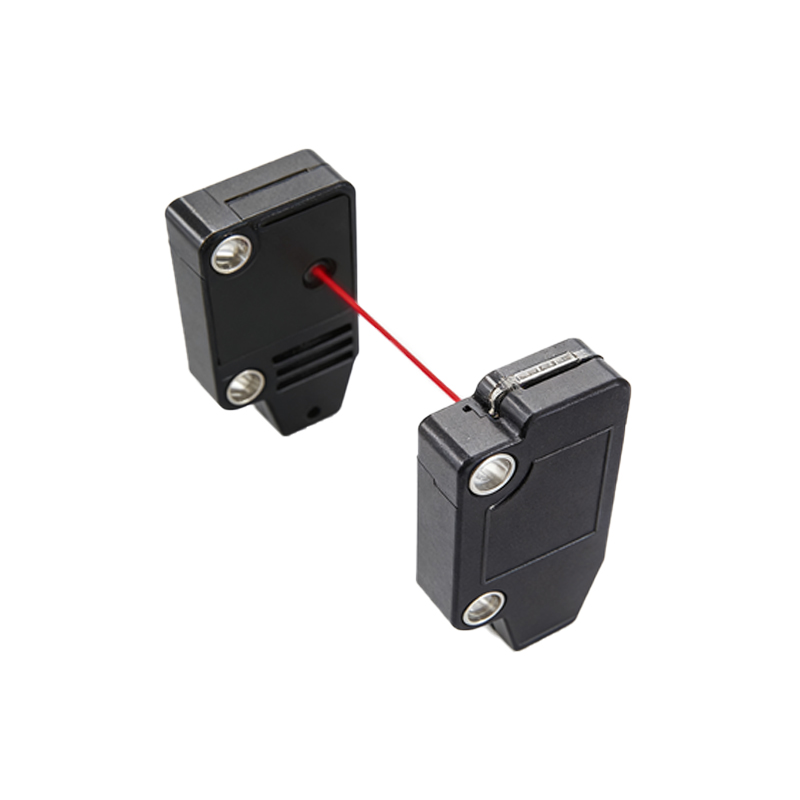
The most frequent culprit is an unstable power source. A PLC photoelectric sensor requires a stable voltage within its rated range (e.g., 10-30 VDC). If the power supply drops below the minimum threshold, the LED driver circuit may not energize fully, resulting in a dim glow. Additionally, aging of the infrared or visible light emitter, due to prolonged operation, can reduce light intensity. Environmental factors, such as dust or oil mist accumulating on the sensor window, scatter or absorb the emitted beam, making the indicator appear weaker. Electrical noise or ground loops in the wiring can also cause intermittent dimming.
Impact on System Performance and Troubleshooting Steps
A dim sensor light not only complicates visual inspection but also compromises the sensor’s response time and detection range. For example, in a conveyor belt system, a dim sensor might fail to detect small parts, leading to jams. To diagnose, first measure the supply voltage at the sensor terminals using a multimeter. If voltage is stable, clean the optical lens with a lint-free cloth and isopropyl alcohol. Check for loose connections or corroded terminals in the PLC input module. If the sensor remains dim, replace the unit or test it in a known-good circuit to isolate the fault.
Preventive Maintenance and Best Practices
To avoid dim light issues, implement a routine schedule for sensor inspection and cleaning. Use shielded cables for long runs to minimize electrical interference. Ensure the power supply is sized with adequate margin, especially in systems with multiple sensors. Selecting sensors with built-in stability indicators or self-diagnostic features can alert operators to potential dimming before failures occur. Documentation of baseline light intensity during commissioning helps in trend analysis.