Introduction to Photoelectric Light Curtain Sensors
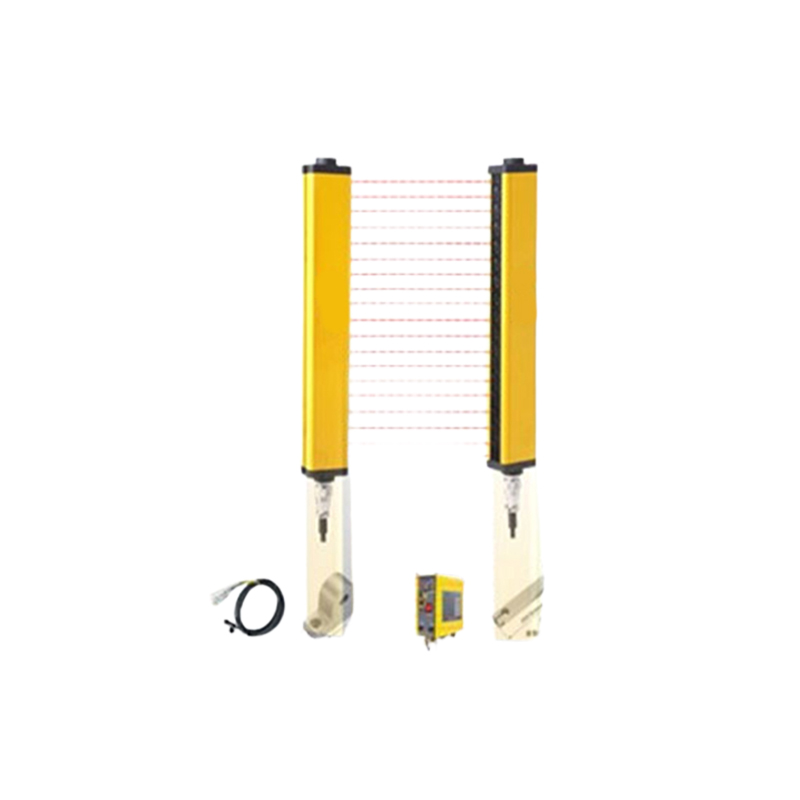
Photoelectric light curtain sensors, also known as safety light curtains, are essential components in modern industrial automation. These devices use an array of synchronized photoelectric beams to create an invisible protective barrier around hazardous machinery, such as presses, robotic arms, and conveyor systems. When an object or personnel interrupts any beam, the sensor triggers an immediate stop signal, enhancing workplace safety while maintaining production efficiency. As an electrical engineer, I recommend integrating these sensors into any automated system requiring high-speed safety responses.
Key Working Principles
The operation of a photoelectric light curtain relies on a transmitter and receiver pair. The transmitter emits a series of pulsed infrared beams, typically at a frequency invisible to the human eye, toward the receiver. The receiver contains photodetectors that continuously monitor beam interruption. Modern systems use scanning and synchronization techniques to distinguish between actual intrusions and environmental interference, like dust or vibration. For instance, in a press brake application, the light curtain detects an operator's hand within the danger zone and halts the machine within milliseconds, preventing severe injuries.
Selection Criteria for Industrial Applications
When selecting a light curtain, engineers must consider several technical parameters. First, the resolution, typically measured in millimeters, determines the smallest object detectable. For finger protection, a resolution of 14 mm is common, while hand protection requires 30 mm. Second, the scanning range, or protective height, must cover the entire hazardous area. Third, response time is critical for high-speed machinery; a low response time, such as 10 ms, ensures rapid shutdown. Additionally, environmental ratings like IP65 or IP67 are necessary for wet or dusty environments, such as in automotive assembly lines.
Installation and Alignment Best Practices
Proper installation is vital for reliable performance. The transmitter and receiver must be precisely aligned, typically using built-in alignment indicators or laser tools. I always recommend mounting the sensors at a safe distance from moving parts to avoid mechanical damage. For example, in a packaging machine, the light curtain should be placed at least 200 mm from the press to comply with safety standards like ISO 13855. Regular testing with a test rod ensures the system functions correctly after installation or maintenance.
Integration with Safety Control Systems
Photoelectric light curtains must integrate seamlessly with safety relays or programmable safety controllers. The output signals from the sensor are usually dual-channel (e.g., OSSD outputs) to ensure redundancy and fault detection. In a robotic welding cell, the light curtain connects to a safety PLC that monitors both the sensor status and the robot's brake system. If a beam is interrupted, the PLC de-energizes the machine's power contactors, complying with SIL 3 or PL e safety integrity levels. This integration prevents unintended restarts and enhances system reliability.
Common Troubleshooting and Maintenance Tips
Engineers should be aware of common issues such as misalignment, dirty lenses, or electrical noise from nearby VFDs. Regular cleaning with a soft, anti-static cloth keeps the optics clear. If false triggering occurs, check for reflective surfaces near the sensor path, as these can cause signal confusion. In a high-vibration environment, using vibration-dampening mounts reduces alignment drift. I also advise logging sensor events via the system's diagnostic interface to identify patterns of interference, facilitating proactive maintenance.
Future Trends in Light Curtain Technology
The industry is moving toward smart light curtains with integrated IoT capabilities. These sensors can now transmit real-time diagnostic data to cloud-based monitoring platforms, enabling predictive maintenance. For example, a sensor might warn of gradual performance degradation due to lens contamination before a failure occurs. Additionally, adaptive resolution technology allows light curtains to adjust beam density based on the speed of approaching objects, optimizing safety without sacrificing productivity. As an engineer, staying informed about these advancements is crucial for designing future-proof automation systems.