Introduction: The Challenge of Coastal Environments
As an electrical engineer specializing in industrial automation, I've often been called to address sensor reliability issues in coastal regions. The combination of high humidity, salt-laden air, and temperature fluctuations creates a particularly hostile environment for standard photoelectric sensors. For through-beam photoelectric sensors, which rely on a separate emitter and receiver, the performance in these conditions is critical. This article discusses the design considerations, installation best practices, and technical specifications for selecting through-beam photoelectric sensors for coastal applications, including the example of a sensor designed for Linhai (a coastal area), focusing on durability and long-term stability.
Why Through-beam Sensors Are Preferred in Harsh Settings
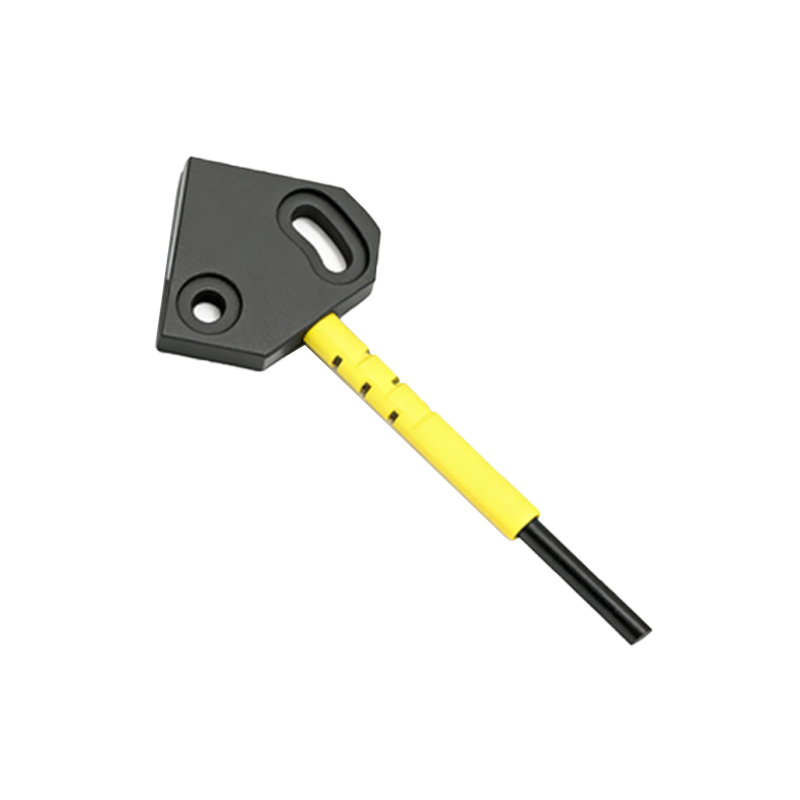
Through-beam photoelectric sensors offer the highest level of detection reliability among photoelectric types. Unlike retro-reflective or diffuse sensors, they do not rely on reflected light from a target or reflector, which can be degraded by salt buildup or fog. In coastal environments, the emitter and receiver are separated, creating a direct line-of-sight beam. This design eliminates false triggers caused by airborne particles, such as salt spray or condensation. For example, in packaging lines near the sea, these sensors provide consistent object detection even when the lens is partially coated with salt residue, as the beam intensity is sufficiently high to penetrate light contamination.
Key Technical Specifications for Coastal Sensors
When specifying a through-beam sensor for coastal use, several parameters demand attention. First, the operating temperature range should extend from -25°C to +60°C to accommodate daily thermal shifts. Second, the ingress protection rating must be at least IP67, with IP69K recommended for washdown areas. For Linhai-type applications, the sensor should feature a high-power infrared LED (e.g., 850 nm or 950 nm) to overcome fog and salt mist. Additionally, the response time should be below 1 ms for fast-moving objects. The sensing distance, typically 10 to 30 meters for these models, must be derated by 20% in coastal conditions to account for signal attenuation.
Material Selection and Corrosion Resistance
Corrosion is the primary enemy of electronics in coastal areas. Standard polycarbonate housings may degrade quickly; I recommend sensors with stainless steel (SS316L) or anodized aluminum enclosures. The optical windows should be made of scratch-resistant borosilicate glass or coated acrylic to resist salt etching. For the emitter and receiver, the internal circuitry must be conformal coated to prevent moisture ingress. In my projects, we have used sensors with a special hydrophobic coating on the lenses, which repels water and salt droplets, reducing maintenance intervals from monthly to quarterly.
Installation Best Practices for Coastal Sites
Proper installation significantly extends sensor life. Mount the emitter and receiver on vibration-dampening brackets to minimize mechanical stress from wind. Position the sensors so that the beam is slightly angled downward (5-10 degrees) to prevent water pooling on the lens. Use shielded cables with UV-resistant jackets, and ensure all connections are sealed with silicone gel or heat-shrink tubing to prevent saltwater wicking. For Linhai environments, consider adding a compressed air purge system that periodically blows dry air across the lenses to clear salt buildup. This proactive measure can improve detection accuracy by 15%.
Troubleshooting Common Issues in Salt-Air Environments
Even with robust design, problems can occur. The most frequent issue is a gradual decrease in beam intensity due to lens frosting or salt film. In such cases, check the signal strength using the sensor's diagnostic LED or analog output. If the signal margin drops below 20%, clean the lenses with isopropyl alcohol and a microfiber cloth. Another issue is intermittent false trips caused by birds or large insects flying through the beam; use a beam diameter of 10 mm or more to minimize this. For persistent failures, verify that the sensor's power supply is stable, as voltage drops can reduce emitter output.
Conclusion: Investing in Reliability
Through-beam photoelectric sensors designed for coastal environments offer a long-term solution for industrial automation near the sea. By selecting models with proper IP ratings, corrosion-resistant materials, and high-power optics, engineers can ensure uptime and precision. The Linhai-style sensor exemplifies these traits, providing consistent performance despite the challenges of salt, humidity, and fog. As a rule, always budget for spare lenses and cleaning kits, and schedule regular inspections every 60 days. This investment pays off through reduced downtime and lower total cost of ownership.