Laser sensors are critical components in modern automation, manufacturing, and measurement systems. When they malfunction, finding a reliable repair service becomes a top priority. The key to a successful repair lies not just in fixing the immediate issue but in ensuring the sensor returns to its original specifications and reliability.
The first step is to identify the nature of the problem. Common issues with laser sensors include unstable output signals, complete failure to detect objects, diminished sensing range, physical damage to the lens or housing, and internal electronic failures. Before seeking repair, document the symptoms, the sensor model, and the operating environment. This information is invaluable for any service technician.
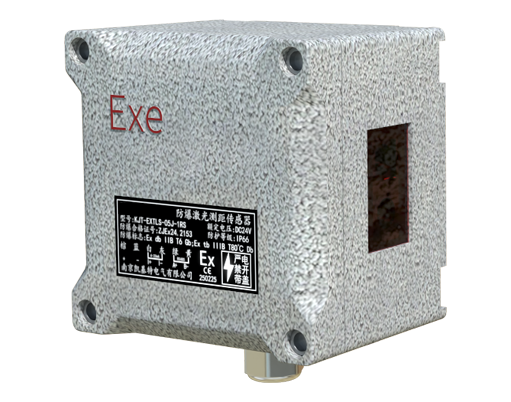
When searching for a repair service, prioritize providers with specific expertise in industrial sensors and optoelectronics. General electronics repair shops often lack the calibrated equipment and technical manuals required for precision devices like laser sensors. Look for companies that explicitly list laser sensor repair as a core service.
Consider the manufacturer or authorized service centers as your primary option. Most major brands, such as Keyence, SICK, Banner Engineering, or Omron, have dedicated service networks. While often perceived as more expensive, they guarantee genuine parts, factory-trained technicians, and calibration that meets the original manufacturer's specifications. This is crucial for applications requiring high accuracy.
Independent specialized repair firms are a strong alternative. Many such companies are founded by engineers who previously worked for major sensor manufacturers. They can offer significant cost savings—sometimes 30% to 50% less than OEM services—with comparable turnaround times and quality. Their advantage is often flexibility and the ability to repair older or discontinued models that the OEM may no longer support. To vet them, ask for case studies, client testimonials (especially from your industry), and details about their calibration standards and warranty on repairs.

The repair process itself should be transparent. A reputable service will provide a detailed diagnostic report and a fixed-price quote before any work begins. The report should explain the root cause of the failure. The repair typically involves disassembly, cleaning, replacement of faulty components (like laser diodes, receiver elements, or power regulators), optical realignment, and comprehensive testing. Post-repair testing should simulate real-world conditions to verify range, accuracy, and response time.
For urgent situations, evaluate the provider's turnaround time. Many services offer expedited options. However, be wary of promises that seem too good to be true; a proper repair cannot be rushed. Sometimes, a faster and more economical solution is a sensor exchange program, where the service provider sends a refurbished unit immediately upon receiving your faulty one.

Geographic location is becoming less of a barrier. Many top-tier repair services operate efficient mail-in systems. They provide pre-paid shipping labels and secure packaging. The critical factor is their technical capability, not their physical proximity to your facility.
After the repair, inquire about the warranty period for the serviced work. A standard warranty ranges from 90 days to one year. A longer warranty period indicates the service provider's confidence in their workmanship and the quality of the components used.
Prevention is always better than repair. Discuss the failure cause with the technician. Often, failures are due to environmental factors like excessive vibration, moisture, dust, or electrical noise. Implementing proper mounting, protective housings, or surge protection can significantly extend the life of your laser sensors and prevent future downtime.
In conclusion, the best place to repair your laser sensor is a service provider that combines proven expertise with transparent processes, uses high-quality parts, and stands behind their work with a solid warranty. Whether you choose the OEM or a trusted independent specialist, the goal is to restore full functionality and ensure the long-term reliability of your essential sensing equipment.