Introduction to Normally Closed Retro-Reflective Photoelectric Sensors
In industrial automation and control systems, photoelectric sensors play a critical role in detecting objects, counting products, and ensuring safety. Among these, the normally closed (NC) retro-reflective photoelectric sensor is a specialized variant designed to provide stable operation in environments where fail-safe detection is required. Unlike its normally open (NO) counterpart, the NC configuration maintains a closed circuit when no object is present, opening only when a target interrupts the beam. This makes it ideal for safety interlocks, conveyor monitoring, and high-reliability applications.
Working Principle of NC Retro-Reflective Sensors
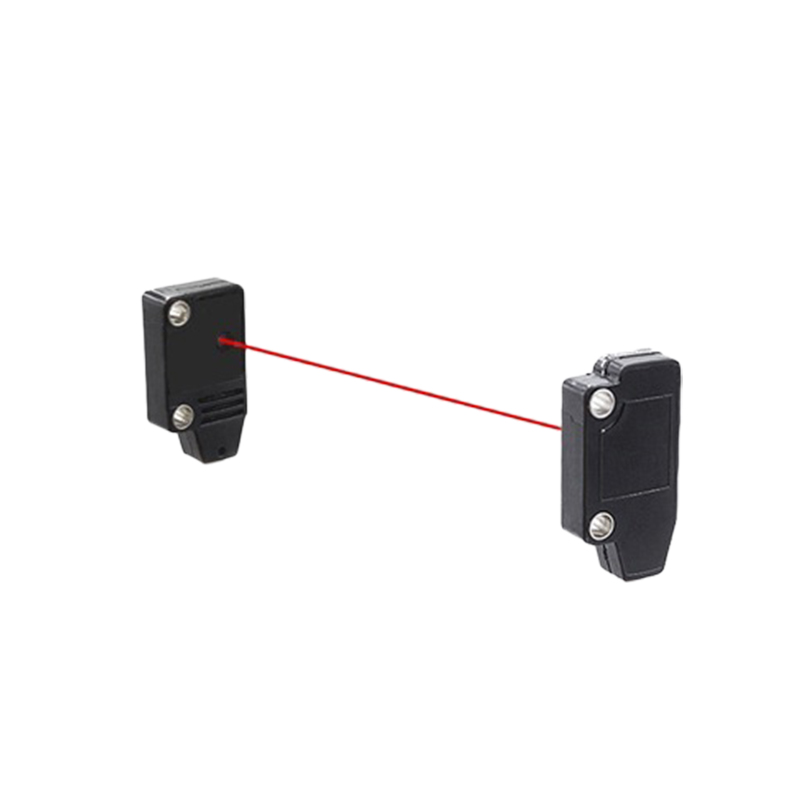
A retro-reflective sensor consists of an emitter and receiver housed in the same unit, paired with a reflector placed opposite. The emitter sends out a modulated light beam, typically infrared or visible red laser, which is reflected back by the reflector to the receiver. In the normally closed operating mode, the sensor’s output is in an ON state (circuit closed) when the light beam is continuously received. When an object passes between the sensor and reflector, the beam is interrupted, causing the output to switch OFF (circuit open). This inverse logic ensures that any failure, such as a power loss or sensor malfunction, triggers an alarm or stop action, enhancing system safety.
Key Advantages in Industrial Environments
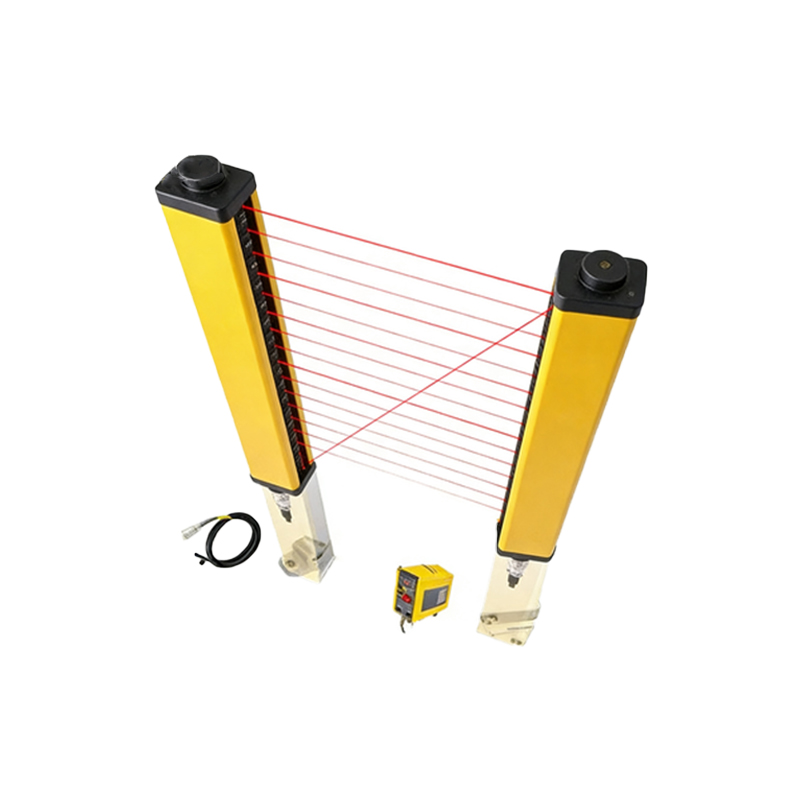
The NC retro-reflective design offers several benefits for engineers. First, it provides inherent fail-safe behavior: if the sensor loses power or the reflector becomes misaligned, the output defaults to the OFF state, preventing dangerous conditions. Second, these sensors are less prone to false triggers from ambient light or dust because the modulated signal is reflected directly, unlike through-beam sensors that require separate wiring. Third, retro-reflective sensors have a simpler installation process than through-beam types, as only one unit needs to be mounted, reducing cabling and maintenance costs. Typical sensing ranges vary from 0.5 to 10 meters, depending on the reflector size.
Critical Considerations for Selection and Application
When selecting an NC retro-reflective sensor, engineers must evaluate several parameters. The sensing distance must match the application, ensuring the reflector and sensor are aligned within the specified angle tolerance (often up to 5 degrees). The sensor’s response time, usually in the range of 1-10 milliseconds, should accommodate the speed of moving objects. In harsh environments, consider sensors with IP67 or higher ratings for dust and water resistance. Additionally, polarizing filters can be used to eliminate false reflections from shiny objects. Common applications include detecting transparent bottles in beverage lines, monitoring pallet positions in warehouses, and verifying door closures in automated machinery.
Troubleshooting and Maintenance Tips
Regular maintenance ensures long-term reliability. Clean the sensor lens and reflector periodically with a soft, lint-free cloth to prevent dust buildup. Verify electrical connections and supply voltage, as fluctuations can cause erratic behavior. If the sensor fails to switch correctly, check for reflector misalignment or surface damage. In high-vibration environments, use vibration-resistant mounting brackets. For complex systems, consider sensors with built-in diagnostics that provide status indicators for beam strength and output state, simplifying troubleshooting.
Conclusion: Why NC Retro-Reflective Sensors Matter
In summary, normally closed retro-reflective photoelectric sensors are a robust, cost-effective solution for industrial detection tasks where safety and reliability are paramount. Their fail-safe operation reduces downtime and prevents accidents, while simple installation saves engineering time. By understanding their operating principles, advantages, and selection criteria, engineers can effectively integrate these sensors into automated systems, improving overall process efficiency.