Introduction to Photoelectric Sensors
Photoelectric sensors are versatile devices widely used in industrial automation to detect the presence, absence, or distance of objects using light beams. They operate by emitting a light source, typically infrared or visible light, and measuring the changes in light intensity or reflection. These sensors are essential for enhancing efficiency, safety, and accuracy in manufacturing processes.
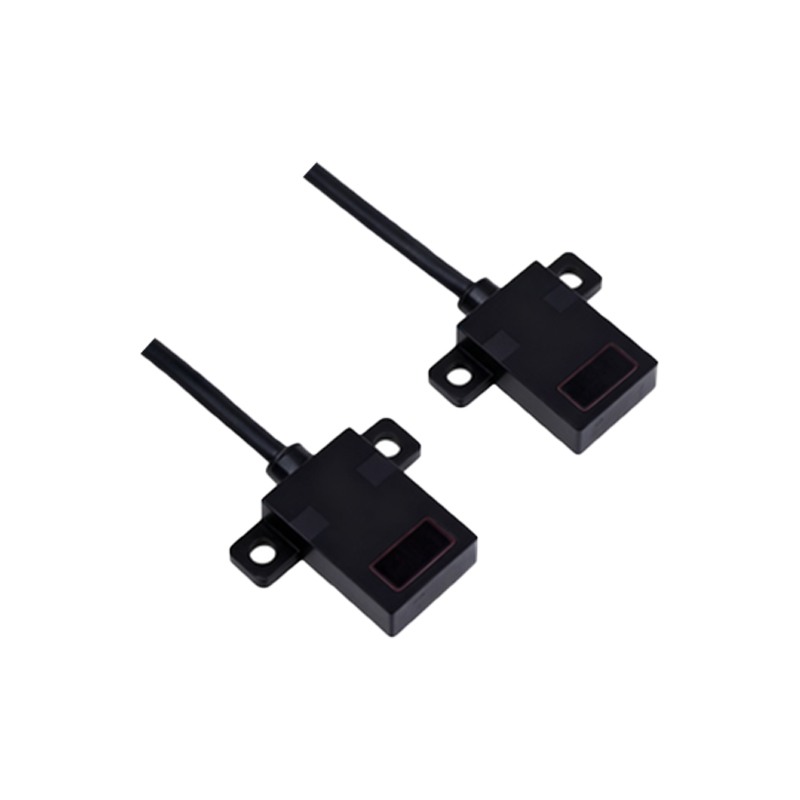
Material Handling and Conveyor Systems
In material handling, photoelectric sensors are deployed on conveyor belts to detect product jams, count items, or trigger sorting mechanisms. For example, a through-beam sensor can detect when a package blocks the light path, signaling the system to stop or redirect the item. This application is critical in logistics, packaging, and assembly lines where high-speed and reliable detection is required.
Automated Packaging Lines
Photoelectric sensors play a key role in packaging by verifying label placement, checking fill levels, and ensuring correct seal alignment. Retroreflective sensors are often used to detect clear or shiny objects, such as plastic bottles or glass jars, which might otherwise be challenging for other sensor types. This improves quality control and reduces waste in the packaging industry.
Robotic Guidance and Positioning
In robotics, photoelectric sensors assist in precise positioning and collision avoidance. For instance, diffuse mode sensors can detect the distance to a target, allowing robots to grip or place parts accurately. These sensors are integrated into robotic arms used in welding, painting, and assembly, ensuring tasks are performed with minimal error.
Safety and Guarding Applications
Safety light curtains, a specialized form of photoelectric sensors, are used to protect personnel in hazardous areas. When an operator’s hand or body interrupts the light grid, the system sends a stop signal to machinery, preventing accidents. This is common in press brakes, packaging machines, and automated guided vehicles (AGVs).
Food and Beverage Industry
In the food and beverage sector, photoelectric sensors must withstand harsh environments like washdowns and high temperatures. They are used to detect bottle caps, monitor liquid levels, and ensure proper labeling on wet or slippery surfaces. Stainless steel housing and IP69K-rated sensors are typical for these conditions.
Automotive Manufacturing
Automotive plants rely on photoelectric sensors for tasks such as detecting car body positions on assembly lines, verifying part presence in welding fixtures, and monitoring paint booth operations. Through-beam sensors are favored for long-range detection in large-scale environments, while diffuse sensors handle close-range applications.
Conclusion: Future Trends
As Industry 4.0 advances, photoelectric sensors are evolving with smart features like IO-Link communication, which allows real-time data integration with control systems. This enhances predictive maintenance and process optimization. Engineers must consider factors like ambient light, target material, and mounting constraints when selecting sensors for specific applications.