Introduction to S18 Photoelectric Sensor Technology
The S18 photoelectric sensor represents a cornerstone in modern industrial automation, offering robust performance for object detection, positioning, and counting applications. Designed by leading manufacturers such as Banner Engineering, this sensor family excels in environments requiring reliability and precision. With a compact cylindrical housing (18 mm diameter), the S18 integrates advanced optics and electronics to deliver consistent sensing across short to medium ranges, typically up to 30 meters for through-beam models. Its IP67 rating ensures durability against dust, moisture, and vibrations, making it ideal for factory floors, packaging lines, and material handling systems.
Key Features and Technical Specifications
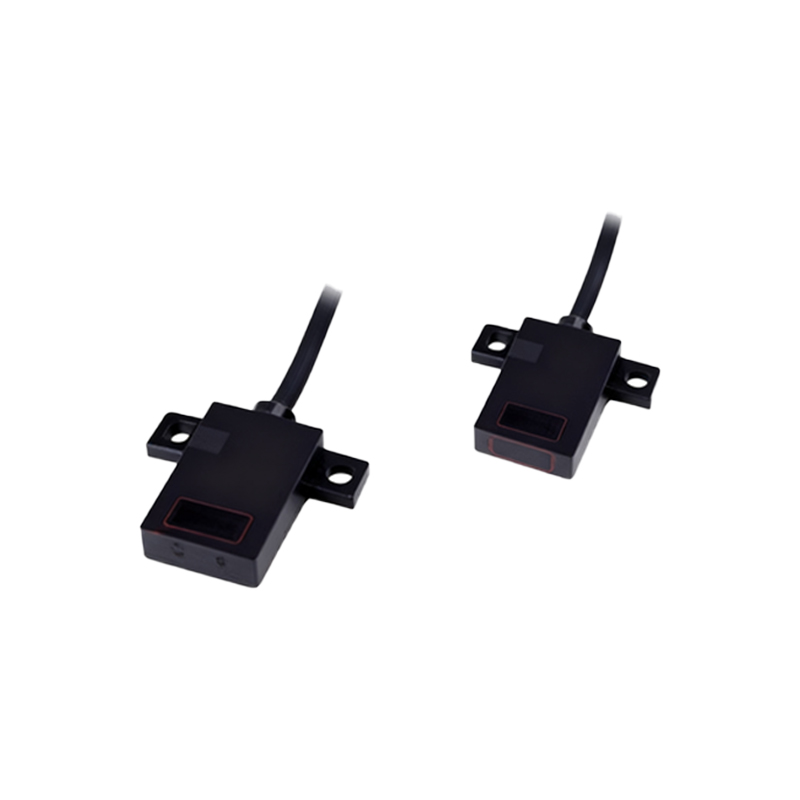
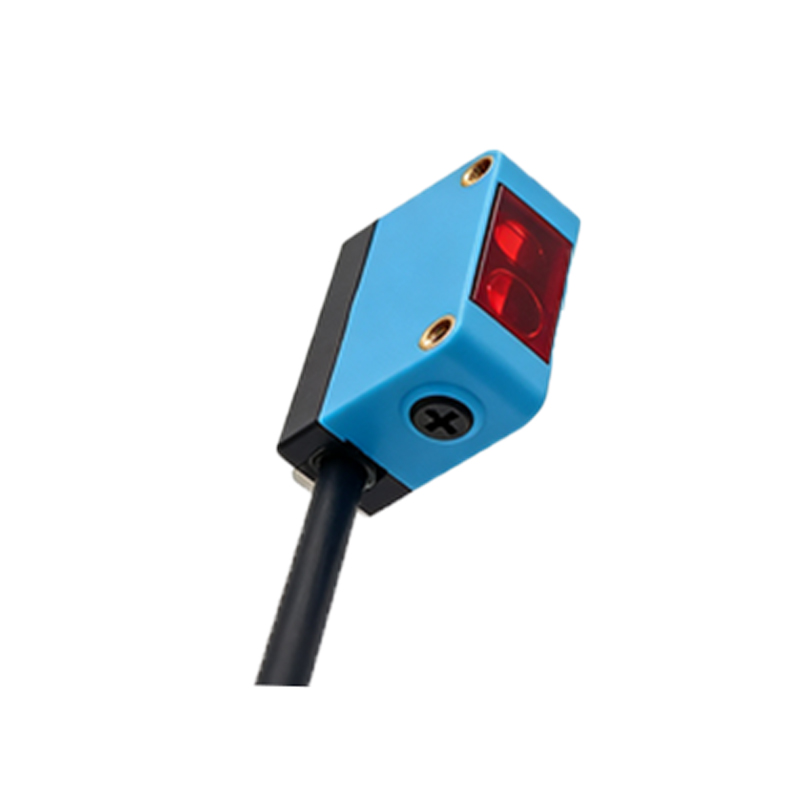
The S18 sensor operates on three primary sensing modes: retroreflective, through-beam, and diffuse. Retroreflective models detect objects within ranges up to 6 meters using a reflector, while through-beam versions achieve up to 30 meters by separating emitter and receiver. Diffuse models, with a range of up to 1.5 meters, rely on object reflectivity. The sensor typically uses red visible LED light (680 nm) for alignment ease, but infrared variants are available for stealth operations. Output options include NPN or PNP transistorized signals, with both light-on and dark-on configurations. Response time is as low as 1 ms, supporting high-speed lines. Power supply is 10–30 V DC, and the sensor includes built-in reverse polarity and overcurrent protection.
Installation and Alignment Best Practices
Proper installation is critical for maximizing S18 performance. Mount the sensor using the provided bracket or M18 threaded nut, ensuring a stable base. For retroreflective models, align the sensor beam with the reflector at a 90-degree angle to the target path. Use the visible red LED spot for coarse alignment, then fine-tune with the sensitivity potentiometer to avoid false triggers from background objects. In through-beam setups, keep the emitter and receiver parallel and within 5 degrees of coaxial alignment. Avoid direct sunlight or reflective surfaces near the beam path. For diffuse models, set the sensitivity to ignore shiny backgrounds by adjusting the threshold until the indicator LED shows stable detection.
Common Applications in Industry
The S18 is widely deployed in automated production lines for bottle detection in beverage filling, label presence verification in packaging, and part presence in assembly stations. In warehouse logistics, it monitors conveyor belt jams and sorts cartons by size. The sensor also excels in clean environments like pharmaceutical manufacturing, where its sealed IP67 housing withstands washdowns. For outdoor uses, such as gate control or parking barriers, S18 models with infrared light reduce interference from ambient light. High-speed counting applications, like detecting passing cans at 1000 units per minute, benefit from the sensor's fast response time.
Troubleshooting and Maintenance Tips
Common issues include false triggers from dust or misalignment. Clean the lens with a soft cloth and isopropyl alcohol periodically. If the output remains stuck on, check for reflective surfaces in the sensing zone—adjust the sensitivity or add a baffle. For no output, verify power supply voltage (10–30 V DC) and wiring polarity. Use a multimeter to test the load current (max 150 mA). In harsh environments, consider using an air purge collar to keep the lens clear of debris. The sensor's LED status indicators (green for power, amber for output) simplify diagnostics. If problems persist, consult the manufacturer’s manual for specific model parameters.