Introduction to Infrared Photoelectric Sensors in Industrial Automation
As a seasoned electrical engineer specializing in industrial automation, I have witnessed firsthand the critical role of sensor technology in optimizing manufacturing processes. In the context of paper folding machines, particularly those manufactured by Lanmei, infrared photoelectric sensors serve as the backbone of precision and reliability. These sensors detect the presence, position, and movement of paper sheets without physical contact, ensuring high-speed operation while minimizing mechanical wear. The Lanmei folding machine series, known for its robust design, relies heavily on these sensors to maintain consistent output quality in commercial printing and packaging environments.
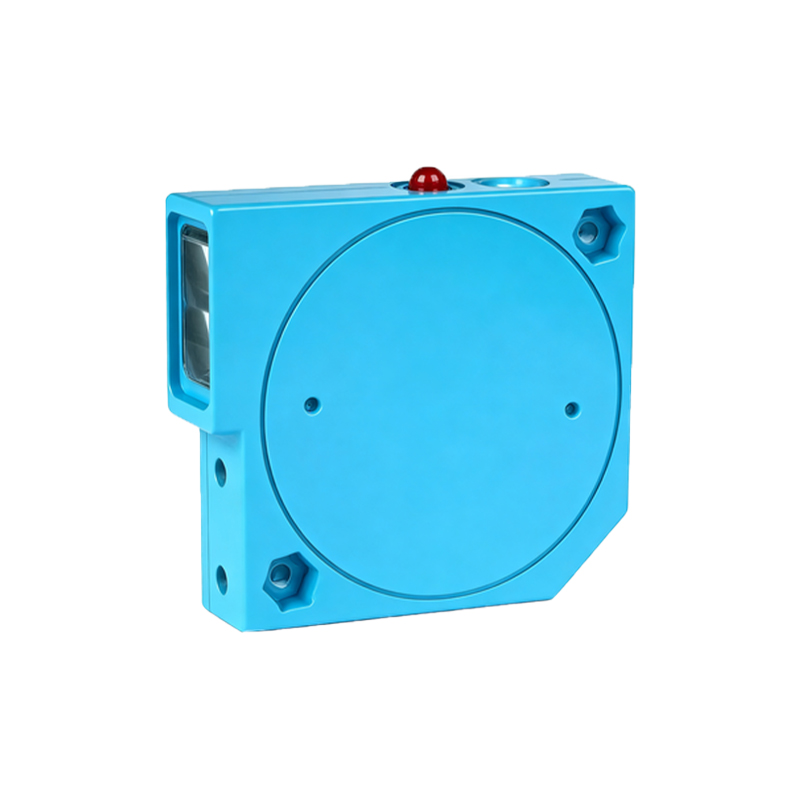
Key Technical Specifications of Lanmei-Compatible Sensors
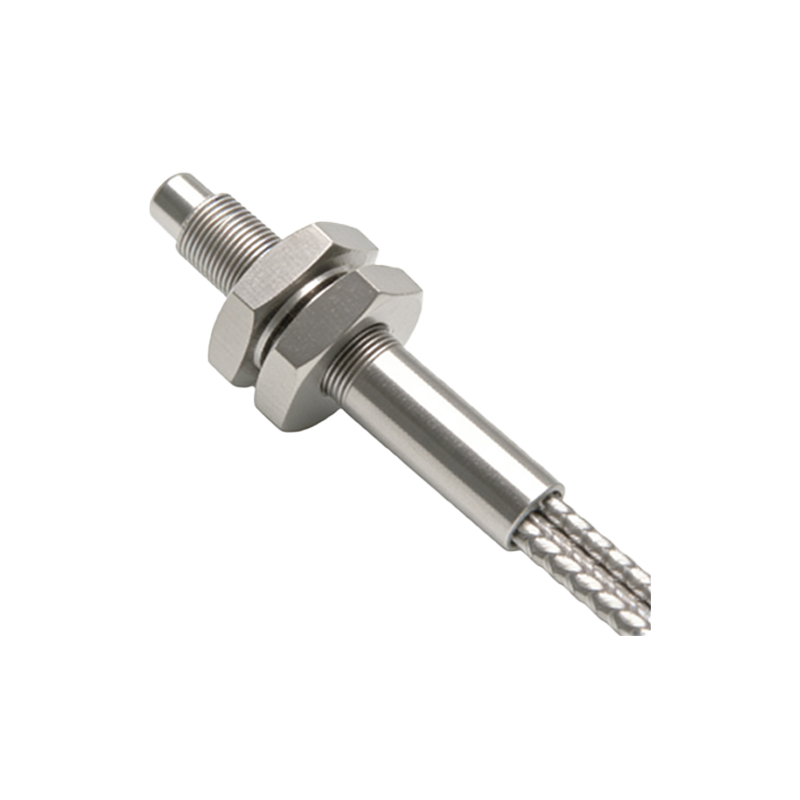
From an engineering standpoint, the IR sensors used in Lanmei folding machines must meet specific technical criteria to withstand demanding production lines. Typically, these sensors operate at wavelengths between 850 nm and 940 nm, providing excellent detection range up to 500 mm with response times under 1 ms. The housing is usually rated IP67 for dust and moisture resistance, crucial for paper dust-laden environments. I recommend selecting sensors with adjustable sensitivity to accommodate varying paper thicknesses, from lightweight 40 gsm sheets to heavy 300 gsm cardstock. This adaptability ensures minimal false triggers or missed detections, a common pain point in older folding systems.
Integration Challenges and Solutions for Maintenance Engineers
During field installations, I have encountered several integration challenges with Lanmei folding machines. One frequent issue is sensor misalignment due to vibration from high-speed folding cycles. To mitigate this, I advise using bracket-mounted sensors with locking mechanisms and periodic calibration checks. Another concern is ambient light interference, especially near windows or bright LED lighting. Implementing sensor models with built-in daylight filters or modulated infrared beams can effectively eliminate such disturbances. Additionally, ensuring proper wiring shielding prevents electromagnetic interference from nearby motors, which is critical for stable signal transmission in industrial settings.
Performance Optimization through Sensor Selection
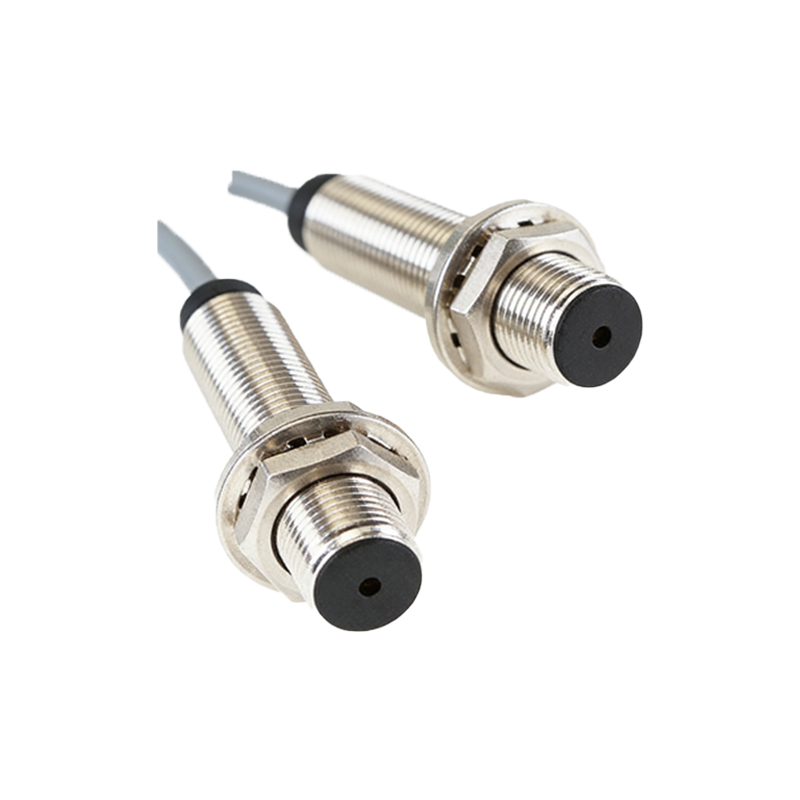
For maximum uptime and accuracy, selecting the right IR sensor model for your Lanmei machine is paramount. I recommend sensors with a narrow beam angle, such as 5 to 10 degrees, for precise edge detection during paper folding. This reduces the risk of misfeeds when handling irregularly sized sheets. Furthermore, combining through-beam sensors for long-range detection with retro-reflective sensors for short-range applications can optimize the folding process. In my experience, using sensors with a visible red LED alignment aid simplifies installation and troubleshooting, saving valuable maintenance time.
Future Trends in Sensor Technology for Folding Machines
Looking ahead, the evolution of infrared photoelectric sensors will further enhance Lanmei folding machine capabilities. Emerging trends include smart sensors with IO-Link communication, enabling real-time diagnostics and remote parameter adjustments. This is particularly beneficial for predictive maintenance, as the sensor can report degradation in performance before a failure occurs. Additionally, miniaturized sensors with higher resolution will allow for even tighter fold tolerances, meeting the growing demand for precision in high-end print finishing. As engineers, we must stay abreast of these developments to recommend cost-effective upgrades that extend the lifecycle of existing folding equipment.