Introduction to the H2010 Direct Reflection Photoelectric Sensor
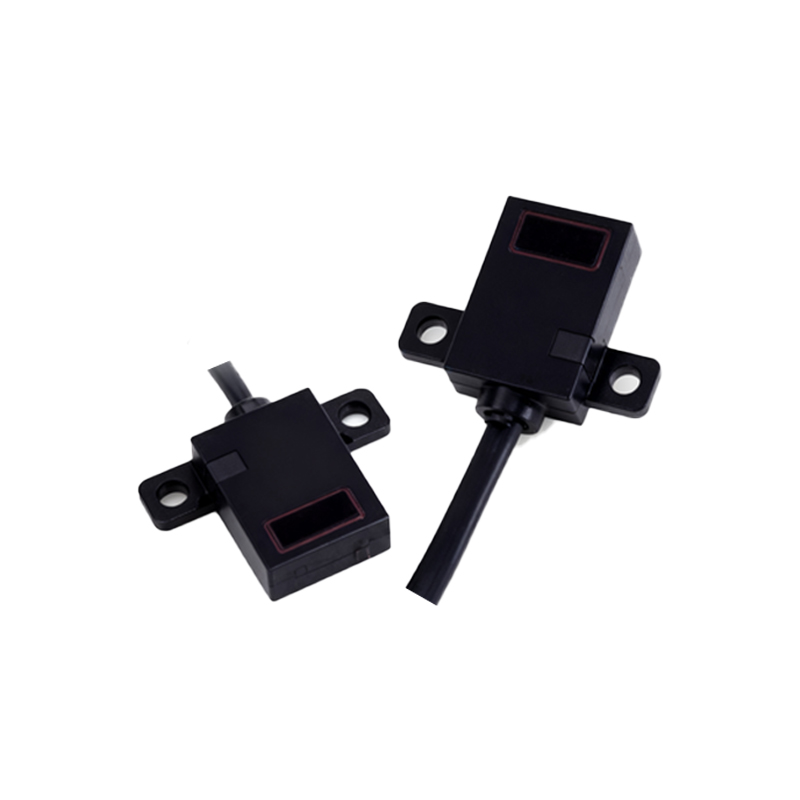
The H2010 is a high-performance direct reflection photoelectric sensor designed for reliable object detection in industrial automation environments. Unlike through-beam or retro-reflective sensors, the H2010 integrates both the emitter and receiver into a single housing, using the target object itself to reflect the emitted light back to the receiver. This design simplifies installation and reduces wiring complexity, making it ideal for space-constrained applications. The H2010 operates effectively on a wide range of surfaces, including glossy, matte, and colored materials, though its performance is optimized for highly reflective objects. With a sensing distance typically ranging from 50 mm to 500 mm, it suits conveyor systems, packaging lines, and material handling equipment.
Key Specifications and Operating Principles
The H2010 utilizes a modulated infrared LED as its light source, operating at 850 nm wavelength to minimize interference from ambient light. Its detection principle relies on the amount of light reflected back from the object; a built-in threshold circuit triggers an output when the received signal exceeds a preset level. Key specifications include a response time of less than 1 ms, allowing for high-speed detection up to 1000 operations per minute. The sensor offers both NPN and PNP open-collector output options, compatible with most PLCs and industrial controllers. The H2010 features an IP67-rated enclosure, providing protection against dust and water ingress, suitable for harsh factory floor conditions. Additionally, it includes a sensitivity adjustment potentiometer, enabling fine-tuning for different target materials and distances.
Installation and Alignment Considerations
Proper installation is critical for optimal performance of the H2010. The sensor should be mounted perpendicular to the target surface to ensure maximum reflection. Avoid angled installations unless compensating for specific material properties. The recommended sensing distance is between 100 mm and 400 mm for consistent detection. When mounting multiple sensors in close proximity, maintain a minimum spacing of 200 mm to prevent optical crosstalk. The H2010’s compact size (30 mm x 20 mm x 10 mm) allows for flexible mounting using brackets or direct panel mounting. For applications with moving targets, ensure the object’s path is within the sensor’s beam diameter, typically 5 mm at the focal point. Use shielded cables to minimize electromagnetic interference, especially near motors or variable frequency drives.
Common Applications and Performance Optimization
The H2010 excels in detecting small or transparent objects where traditional sensors struggle. Common applications include: detecting glass bottles on a conveyor, confirming the presence of reflective labels on packages, and monitoring clear plastic film in web handling systems. For optimal performance, adjust the sensitivity while observing the output indicator LED: a steady green light indicates stable detection, while a flickering red light suggests marginal operation. When detecting dark or matte surfaces, reduce the sensing distance or use a reflective tape as a background. The H2010’s built-in ambient light suppression filter ensures reliable operation under fluorescent or LED factory lighting. For high-vibration environments, secure the sensor with lock washers and use flexible conduit for cable protection.
Troubleshooting and Maintenance Tips
Common issues with the H2010 include false triggering due to dust accumulation on the lens. Clean the lens weekly using a lint-free cloth and isopropyl alcohol. If the sensor fails to detect, verify the power supply voltage (10-30 VDC) and check for loose connections. Inconsistent detection may result from contamination on the target surface; consider using an air knife to keep objects clean. When the output remains stuck on, check for reflective backgrounds or shiny machine parts within the sensor’s field of view. The H2010 includes a short-circuit protection feature, but avoid continuous overload conditions. For persistent problems, reset the sensor by cycling power, then recalibrate the sensitivity. Regular inspection of the cable jacket for wear is recommended, especially in abrasive environments.
Conclusion and Best Practices
The H2010 direct reflection photoelectric sensor offers a cost-effective and reliable solution for object detection in industrial settings. By adhering to installation guidelines, performing regular maintenance, and optimizing sensitivity for specific applications, engineers can achieve consistent performance and extended sensor life. For best results, integrate the H2010 with a logic controller that can process its fast response time, and implement redundant sensors for critical safety applications. With its robust design and versatility, the H2010 remains a preferred choice for automation engineers seeking simplicity and reliability in photoelectric sensing.