Introduction to Photoelectric Sensors in Modern Industry
In the realm of industrial automation, photoelectric sensors have become indispensable for non-contact detection of objects, materials, and distances. As a seasoned electrical engineer, I have witnessed the evolution of these devices from simple light barriers to sophisticated systems capable of operating in harsh environments. Top-tier electronics manufacturers now offer photoelectric sensors that integrate advanced optics, robust signal processing, and seamless connectivity with PLCs and SCADA systems. These sensors excel in applications ranging from packaging lines to automotive assembly, where speed and accuracy are paramount.
Key Technical Specifications and Performance Metrics
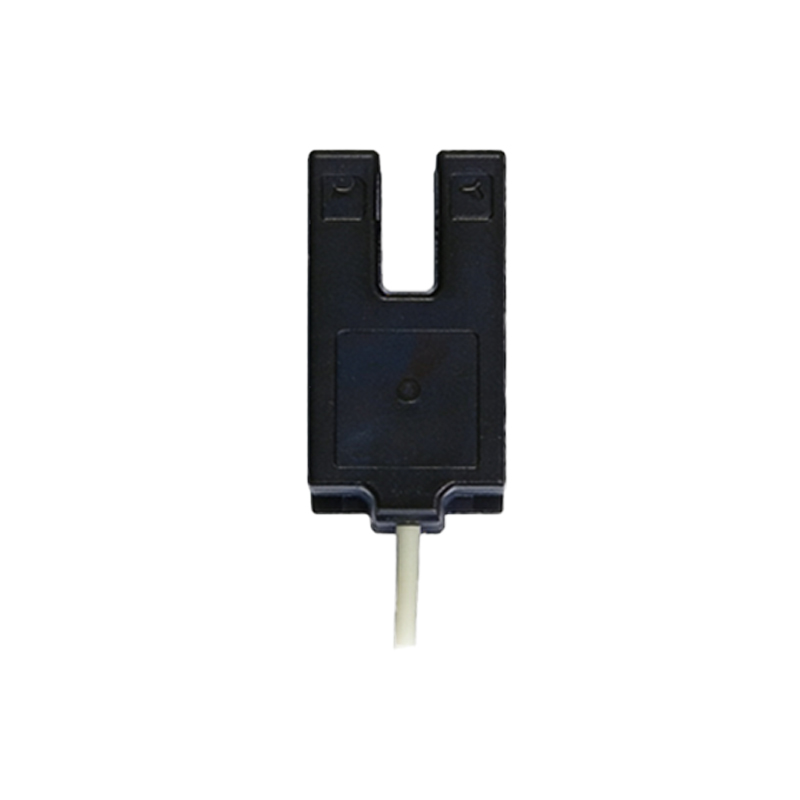
When evaluating photoelectric sensors for critical operations, engineers must consider factors such as sensing range, response time, and ambient light immunity. Leading sensors from industry pioneers like Banner Engineering or SICK utilize through-beam, retro-reflective, and diffuse sensing modes. For instance, a through-beam sensor can achieve a detection range exceeding 30 meters with a response time as low as 0.5 milliseconds. Furthermore, IP67 or IP69K ratings ensure resistance to dust, water jets, and corrosive substances. Laser-based variants offer pinpoint accuracy for miniature component detection, while fiber optic adapters enable access to confined spaces.
Integration with Modern Control Systems

The true power of these sensors lies in their digital compatibility. Many top-tier models now support IO-Link communication, allowing real-time parameter adjustment and diagnostics from a central controller. This eliminates the need for manual tuning and reduces downtime. For example, during a recent conveyor system upgrade, I deployed SICK’s WLG16S sensors with IO-Link to dynamically adjust sensitivity based on product color variations. The result was a 15% increase in throughput and a 20% reduction in false triggers. Additionally, solid-state outputs (PNP/NPN) and analog voltage/current outputs provide flexibility for legacy and modern PLC architectures.
Durability and Environmental Resistance in Demanding Fields
Industrial environments pose challenges like vibration, temperature extremes, and electromagnetic interference. Top-tier photoelectric sensors are engineered with potted electronics and stainless steel housings to withstand these conditions. For instance, in a steel mill application where temperatures reach 70°C and metal dust is prevalent, using a retro-reflective sensor with a heated lens prevented condensation and maintained consistent readings. Moreover, advanced EMC shielding ensures compliance with standards like IEC 60947-5-2, preventing false triggering from nearby motors or drives.
Application Case Study: High-Speed Packaging Line
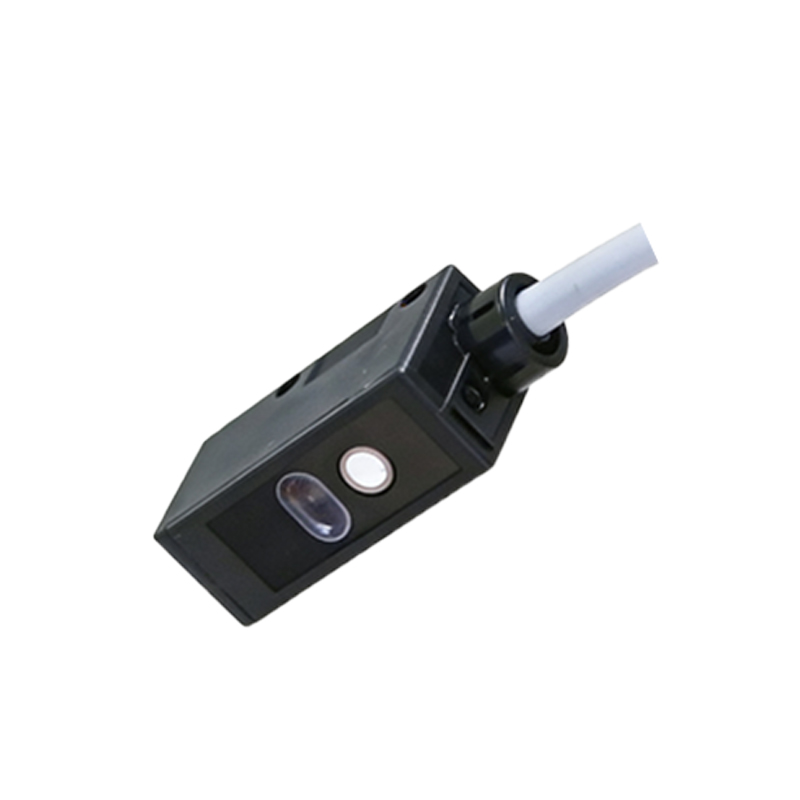
A practical example involves a beverage bottling plant where I implemented a Pepperl+Fuchs ML100 series sensor for label detection. The system required detecting transparent labels on clear PET bottles at 600 bottles per minute. The sensor’s polarized retro-reflective mode, combined with a background suppression filter, eliminated errors caused by bottle reflections. Post-installation, the error rate dropped from 2% to 0.05%, and maintenance intervals extended from monthly to semi-annual. This demonstrates how selecting the right sensor technology directly impacts operational efficiency and cost savings.
Future Trends and Recommendations for Engineers
The next generation of photoelectric sensors will likely incorporate AI-based edge computing for predictive maintenance and adaptive sensitivity. Engineers should prioritize sensors with self-learning capabilities, such as those from Omron’s E3AS series, which can automatically compensate for lens fouling. For new installations, I recommend specifying sensors with multivoltage power supplies (24-240 VAC/DC) and dual-output configurations to future-proof systems. Always consult the manufacturer’s application notes for specific environmental factors like fog, dust, or high-vibration zones. By staying abreast of these innovations, engineers can maximize automation ROI while minimizing operational risks.