Understanding XinFeng Photoelectric Sensors: Industry Applications and Reliability
XinFeng photoelectric sensors are widely recognized in industrial automation for their precision, durability, and cost-effectiveness. These sensors are critical components in applications such as object detection, position sensing, and quality control on high-speed production lines. As an electrical engineer, you understand that selecting the right distributor is not just about price, but about ensuring consistent performance, technical support, and short lead times. A reliable XinFeng agent provides genuine products with full specifications, including sensing distance, response time, and environmental ratings (e.g., IP67 for harsh environments). In sectors like packaging, automotive assembly, and material handling, sensor failure can cause costly downtime. Therefore, partnering with a distributor who offers comprehensive datasheets, calibration guides, and application notes is essential for maintaining system integrity.
Technical Expertise and Pre-Sales Support from a XinFeng Agent
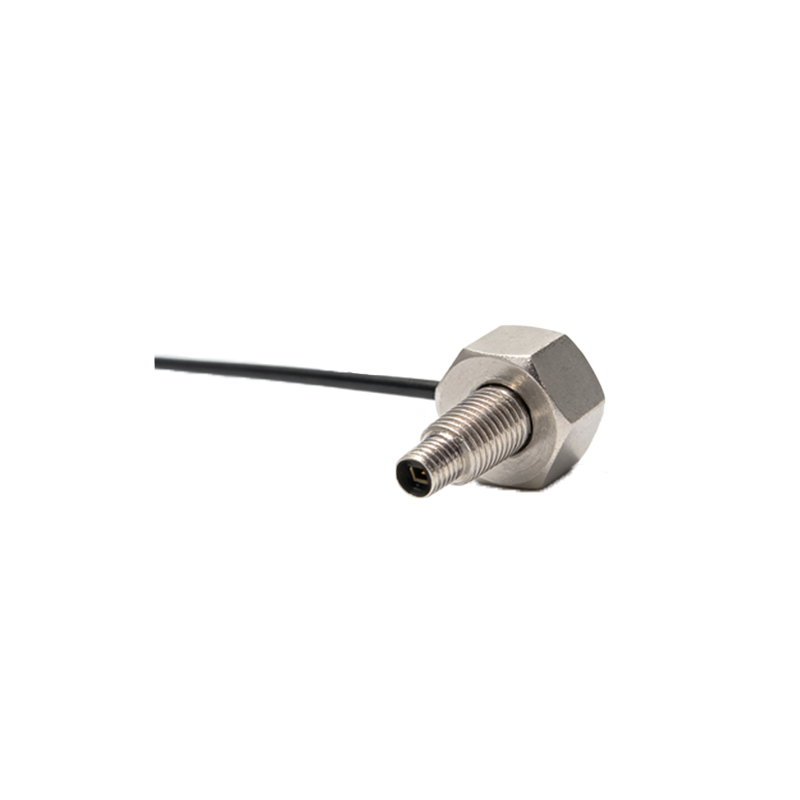
A qualified XinFeng photoelectric sensor distributor should demonstrate deep technical knowledge. They must help you select the correct sensor type—through-beam, retro-reflective, or diffuse—based on your specific detection target, distance, and ambient light conditions. For instance, in dusty or wet environments, a retro-reflective sensor with a polarized lens may be optimal. The distributor should provide detailed wiring diagrams, NPN/PNP output compatibility, and load current calculations. Pre-sales support includes on-site evaluations and simulation of sensor performance with your machinery. Industry professionals value agents who can recommend mounting brackets, cable lengths, and connectors to reduce installation complexity. Without this expertise, you risk mismatched components that degrade system accuracy.
Post-Sales Service, Warranty, and Inventory Management
After the purchase, a top-tier XinFeng sensor distributor offers robust post-sales services, including warranty coverage (typically 12-24 months), replacement policies, and technical troubleshooting via phone or email. For global operations, distributors with local warehouses ensure fast shipping and reduced customs delays. Inventory management is another key factor: an agent that stocks popular models like the XinFeng E3F or E3Z series can cut lead times from weeks to days. They should also provide firmware updates or configuration tools for smart sensors with IO-Link capability. Electrical engineers should verify return policies for defective units and access to spare parts like lenses or cables. A distributor that offers calibration services and repair facilities adds long-term value to your automation investment.
Evaluating Distributor Certifications and Industry Compliance
Finally, ensure your XinFeng photoelectric sensor distributor meets international standards such as CE, RoHS, and UL certifications. These certifications guarantee product safety, electromagnetic compatibility, and environmental compliance. In regulated industries like food processing or pharmaceuticals, sensors must withstand washdown processes and resist chemical exposure. An experienced agent will provide compliance documentation and factory audit reports. Also, look for distributors who participate in industry conferences or publish white papers on sensor integration trends. This demonstrates their commitment to staying current with technologies like 4.0 automation and predictive maintenance. By vetting these aspects, you secure a partnership that enhances production efficiency and reduces operational risk.