The Evolution of Blood Glucose Monitoring
For decades, individuals with diabetes have relied on invasive methods like finger-prick tests or continuous glucose monitors with subcutaneous sensors to track their blood sugar levels. These methods, while accurate, cause discomfort, require frequent calibration, and increase the risk of infection. However, recent advancements in photoelectric sensor technology have paved the way for non-invasive glucose monitoring in smartwatches, offering a painless and continuous solution. As an electrical engineer specializing in sensor integration, I have observed how these optical systems are transforming wearable health tech by leveraging light absorption and reflection principles to detect glucose concentrations in interstitial fluid beneath the skin.
How Photoelectric Sensors Work in a Smartwatch
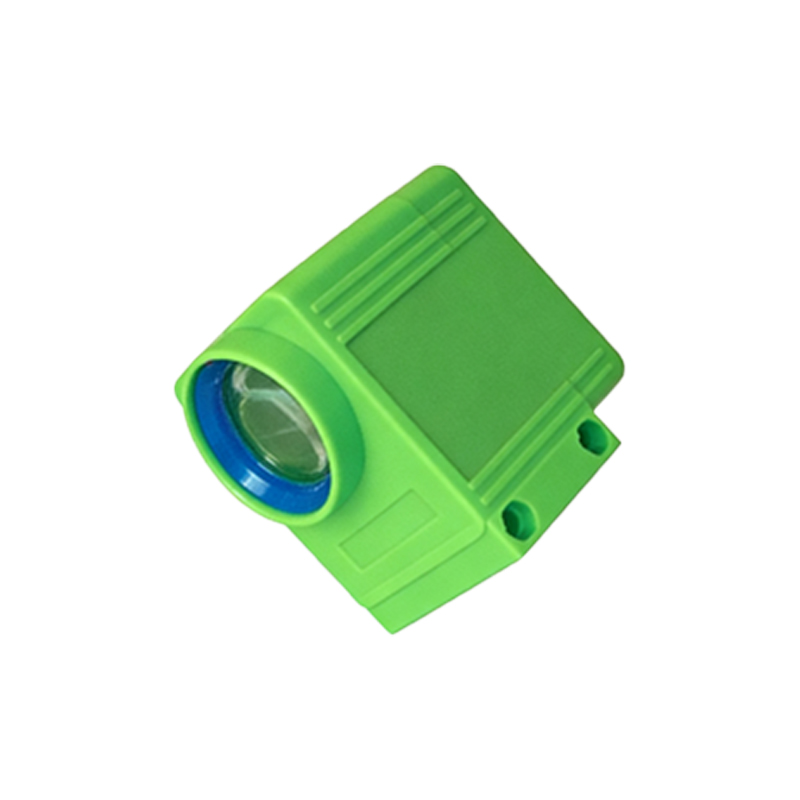
The core of a photoelectric sensor-based glucose monitor relies on near-infrared (NIR) spectroscopy or Raman spectroscopy. The sensor emits specific wavelengths of light, typically between 700 nm and 2500 nm, which penetrate the skin and interact with glucose molecules. These molecules absorb or scatter light in unique patterns, and a photodetector captures the reflected or transmitted signal. The smartwatch’s microcontroller then processes this signal using algorithms calibrated for individual skin types and environmental factors. Unlike traditional pulse oximeters, these sensors require precise thermal stability and minimal motion artifacts, which is why engineers design them with advanced filtering techniques and multi-wavelength emitters.
Key Engineering Challenges and Solutions
Implementing photoelectric glucose monitoring in a wrist-worn form factor presents several technical hurdles. Firstly, the signal-to-noise ratio is often low due to skin pigmentation, hair, or sweat. Engineers address this by using differential measurement techniques, where the sensor compares signals from active and reference photodiodes. Secondly, temperature variations can alter glucose absorption rates; thus, built-in temperature sensors continuously compensate for drift. Additionally, power consumption must be minimized to ensure all-day wearability. Low-power laser diodes and patented duty-cycling algorithms allow the sensor to operate with a current draw of less than 10 mA, making it feasible for modern smartwatch batteries.
Clinical Validation and Algorithm Optimization
For a photoelectric glucose monitoring smartwatch to be medically useful, it must undergo rigorous clinical trials. Engineers collaborate with endocrinologists to collect calibration data from thousands of patients with diverse skin tones and glucose ranges. Machine learning models are then trained to correlate optical signals with venous blood glucose values. For instance, a Random Forest or Neural Network can predict glucose levels within a 15% margin of error, which is comparable to some invasive devices. However, continuous algorithm updates over-the-air (OTA) are essential to adapt to individual metabolic changes, such as those caused by exercise or medication.
Future Directions and Industry Impact
The integration of photoelectric sensors in smartwatches is not limited to glucose monitoring; it also enables simultaneous detection of hydration, lactate, and ketones through multi-spectral analysis. Looking ahead, engineers are exploring quantum dot sensors and photonic crystals to enhance sensitivity further. As the FDA and CE mark approvals become more common for non-invasive devices, these smartwatches could replace traditional glucometers for millions of users. The next breakthrough will likely involve eliminating the need for individual calibration by using universal biomarkers, making the technology accessible to a broader population. For electrical engineers, this is a frontier where optics, embedded systems, and biomedical science converge.