Introduction to Photoelectric Sensing in Plastic Detection
In modern manufacturing, photoelectric sensors play a critical role in detecting, counting, and positioning plastic components. These sensors use light beams—often infrared, visible red, or laser—to identify the presence or absence of plastic objects, even in challenging environments. Plastics vary in transparency, color, and surface reflectivity, making sensor selection and calibration essential for reliable performance. Engineers must consider factors like ambient light interference, dust, and material properties to achieve consistent results.
Key Challenges in Detecting Transparent and Translucent Plastics
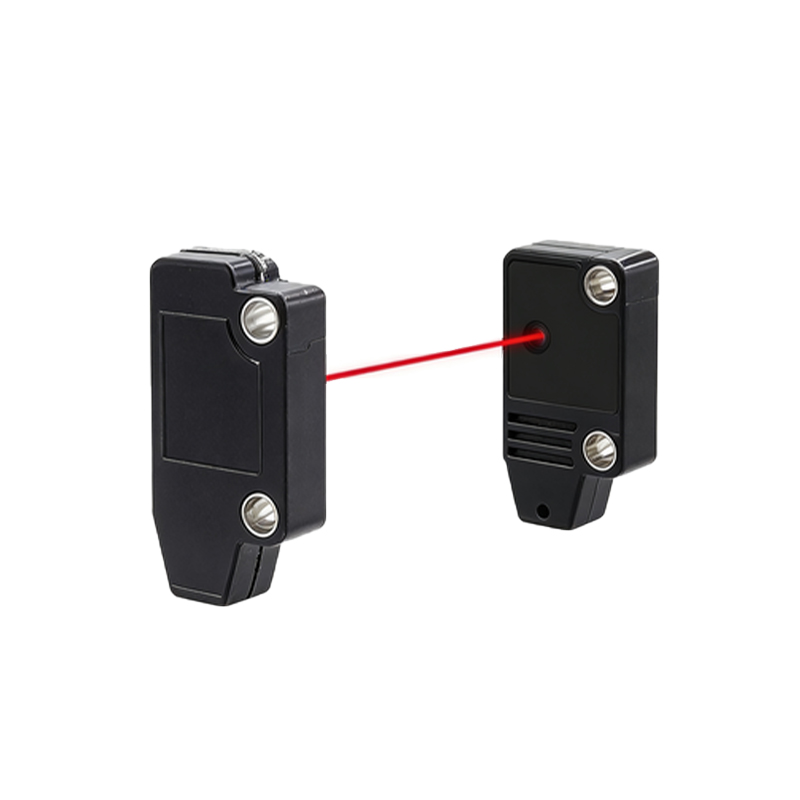
Transparent plastics, such as polycarbonate or acrylic, pose a significant challenge due to their ability to transmit rather than reflect light. Standard through-beam sensors are effective here, as the receiver detects a break in the beam when the plastic interrupts the light path. For translucent materials, retro-reflective sensors with polarized filters help reduce false triggers from reflective backgrounds. Diffuse sensors, which rely on reflected light, often fail with clear plastics, so engineers frequently use specialized models with background suppression or fixed-focus optics.
Sensor Types and Their Applications for Plastic Detection
Three primary sensor types are used: through-beam, retro-reflective, and diffuse. Through-beam sensors offer the highest range and reliability, ideal for long-distance detection of opaque plastics on conveyor belts. Retro-reflective sensors, with a reflector placed opposite the emitter, work well for detecting semi-transparent plastic bottles or containers. Diffuse sensors, equipped with background suppression, are best for colored or opaque plastics where precise positioning is needed. Laser-based sensors provide superior accuracy for small plastic parts in high-speed automation lines.
Calibration and Installation Best Practices
Proper calibration is vital to avoid false signals. For transparent plastics, adjust the sensitivity to account for the material’s light transmission rate. In dusty environments, use sensors with air-purging attachments to maintain lens clarity. Mount sensors at an angle to prevent direct reflection from glossy plastic surfaces. Always test the sensor with actual production samples to verify detection stability under varying light conditions. For high-speed lines, select sensors with fast response times below 1 millisecond.
Advanced Technologies: Background Suppression and Teach-In Modes
Background suppression sensors use triangulation to detect only objects within a set range, ignoring surfaces behind them. This is invaluable when detecting plastic parts against metallic backgrounds. Many modern sensors feature teach-in modes, allowing engineers to program detection thresholds using a simple button press or remote control. This simplifies setup for complex plastic shapes, such as thin films or curved containers. Laser sensors with small spot sizes can detect tiny plastic components, like gears or chips, with micrometer precision.
Maintenance and Troubleshooting Tips
Regular cleaning of sensor lenses and reflectors prevents signal degradation. Check for misalignment caused by vibration or thermal expansion. If false triggers occur, verify that the plastic material’s color or transparency hasn’t changed due to batch variations. For retro-reflective setups, ensure the reflector is clean and undamaged. Replace aging LED or laser sources periodically to maintain consistent output. Document sensor settings for each plastic type to speed up future adjustments.
Conclusion: Optimizing Plastic Detection for Industry 4.0
Photoelectric sensors remain a cornerstone of plastic detection in automated lines, from packaging to automotive parts manufacturing. By selecting the right sensor type—whether through-beam, retro-reflective, or diffuse—and applying proper calibration techniques, engineers can achieve high accuracy and reliability. As Industry 4.0 evolves, sensors with IO-Link connectivity enable real-time data monitoring and predictive maintenance, further enhancing production efficiency. Understanding the unique behavior of plastic materials ensures seamless integration into any automated system.