Introduction to Tubular Mounting Brackets for Photoelectric Sensors
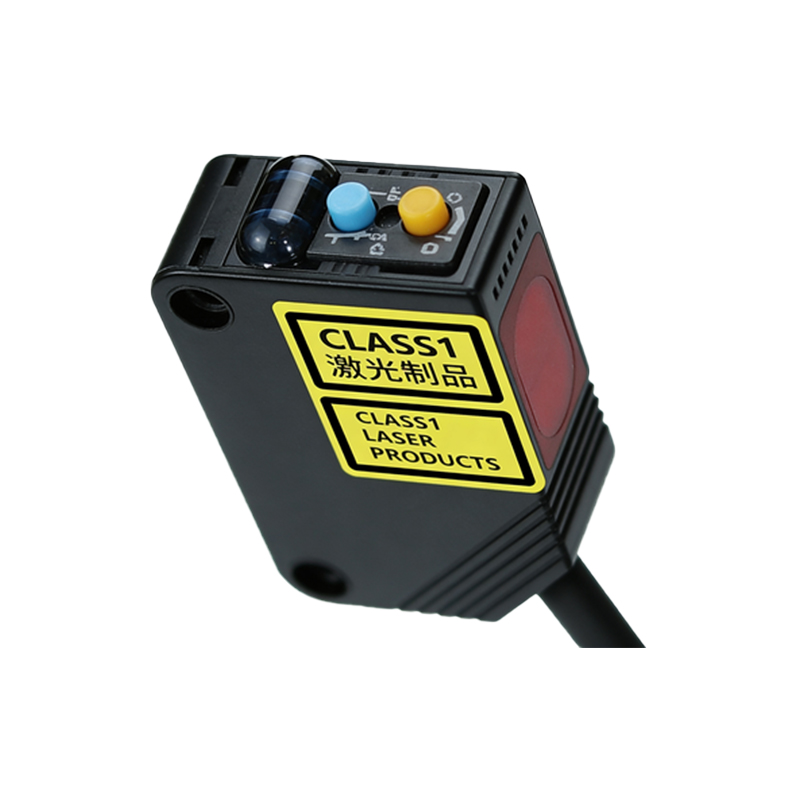
In industrial automation, the precision and reliability of photoelectric sensors heavily depend on their mounting stability. Tubular mounting brackets offer a robust solution for securing sensors in harsh environments. These brackets are designed to hold cylindrical sensors, such as M12 or M18 types, providing vibration resistance and alignment accuracy. Their compact structure simplifies installation in confined spaces, making them ideal for conveyor systems, packaging lines, and assembly stations.
Key Design Features and Materials
Tubular brackets are typically constructed from stainless steel or aluminum with corrosion-resistant coatings. The design includes a clamp or screw mechanism that firmly grips the sensor body without damaging its housing. Key features include adjustable angles, swivel bases, and threaded holes for permanent mounting. This flexibility allows engineers to align the sensor precisely with the target object, reducing false triggers. For high-temperature or washdown applications, materials like 316 stainless steel ensure long-term durability.
Installation Best Practices
To maximize sensor performance, follow these steps: First, select a bracket matching the sensor diameter and environmental rating. Use a torque wrench to tighten the clamp to the manufacturer’s specification—over-tightening can crack plastic sensor housings. Mount the bracket on a rigid surface, such as a machine frame or railing, to minimize movement. For opposed-mode sensors, ensure the emitter and receiver are parallel using a laser alignment tool. Regularly inspect brackets for loosening due to mechanical shock.
Common Applications in Automation
Tubular mounting brackets excel in applications requiring precise detection of small parts. In automotive assembly lines, they secure sensors monitoring component placement. In food processing, washdown-resistant brackets prevent contamination. They are also used in logistics for retro-reflective sensors counting packages on high-speed conveyors. The brackets’ modularity allows quick reconfiguration when production lines change, reducing downtime.
Maintenance and Troubleshooting Tips
Routine maintenance includes checking bracket alignment and cleaning debris from mounting points. If sensors show intermittent signals, first verify bracket stability—loose brackets cause beam misalignment. For outdoor installations, inspect for corrosion or UV degradation. Replace damaged brackets immediately to avoid sensor drop-offs. Using thread-locking compound on screws can prevent loosening under vibration.
Conclusion: Enhancing System Reliability
Investing in high-quality tubular mounting brackets is a cost-effective way to improve sensor longevity and process accuracy. By combining proper material selection, installation techniques, and periodic maintenance, engineers can achieve consistent detection performance in demanding industrial conditions. This approach reduces unplanned downtime and ensures seamless operation across automated systems.