Introduction to Photoelectric Sensors in Mask Manufacturing
In the rapidly evolving landscape of medical device manufacturing, photoelectric sensors have emerged as essential components for ensuring precision and efficiency in automated mask production lines. These sensors utilize light beams to detect the presence, position, or absence of materials without physical contact, making them ideal for high-speed, sterile environments. As a senior electrical engineer, I have observed how these devices directly impact yield rates and quality control in mask factories, from non-woven fabric handling to final packaging.
Key Sensor Types for Mask Production Stages
The most commonly deployed photoelectric sensors in mask lines include through-beam, retro-reflective, and diffuse reflective types. For example, through-beam sensors (comprising separate emitter and receiver) are excellent for detecting transparent or thin materials like meltblown fabric layers. Retro-reflective sensors work well for identifying colored or printed components, such as nose wire strips. Diffuse sensors are ideal for counting finished masks on conveyor belts. Each type must be selected based on material reflectivity, sensing distance (typically 50-500mm), and ambient light immunity.
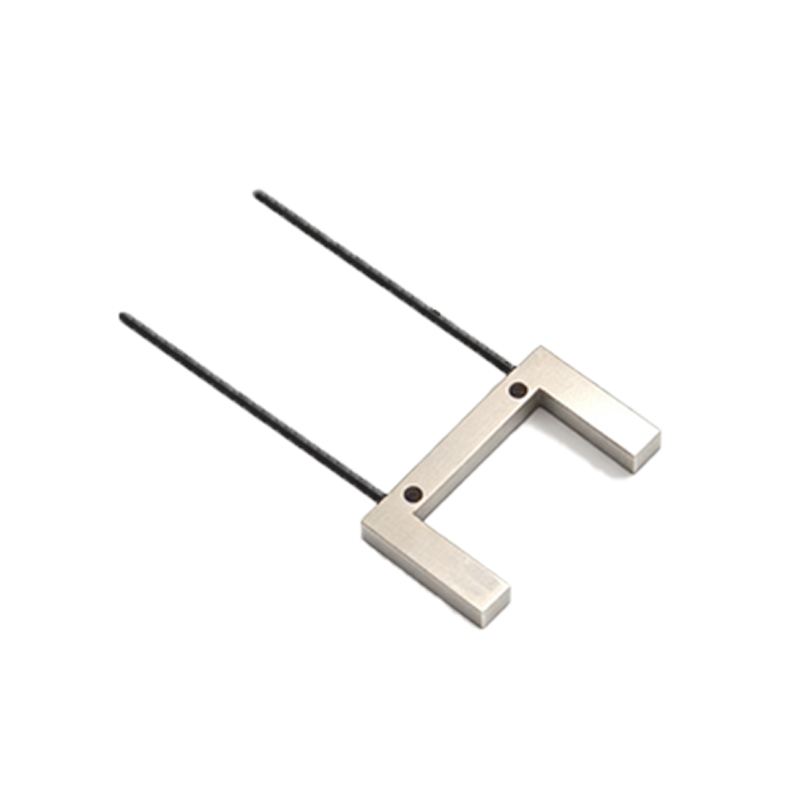
Sensor Positioning for Critical Quality Control Points
Proper sensor placement is vital. At the fabric feeding stage, sensors must verify uniform material tension to prevent wrinkles. During ultrasonic bonding, sensors detect the exact alignment of ear loops. For nose wire insertion, high-speed sensors (response time<1ms) ensure the wire is correctly placed before lamination. At the final inspection station, a combination of sensors checks for missing ear loops, improper folds, and contamination. Any misalignment can cause downstream jams, leading to downtime.
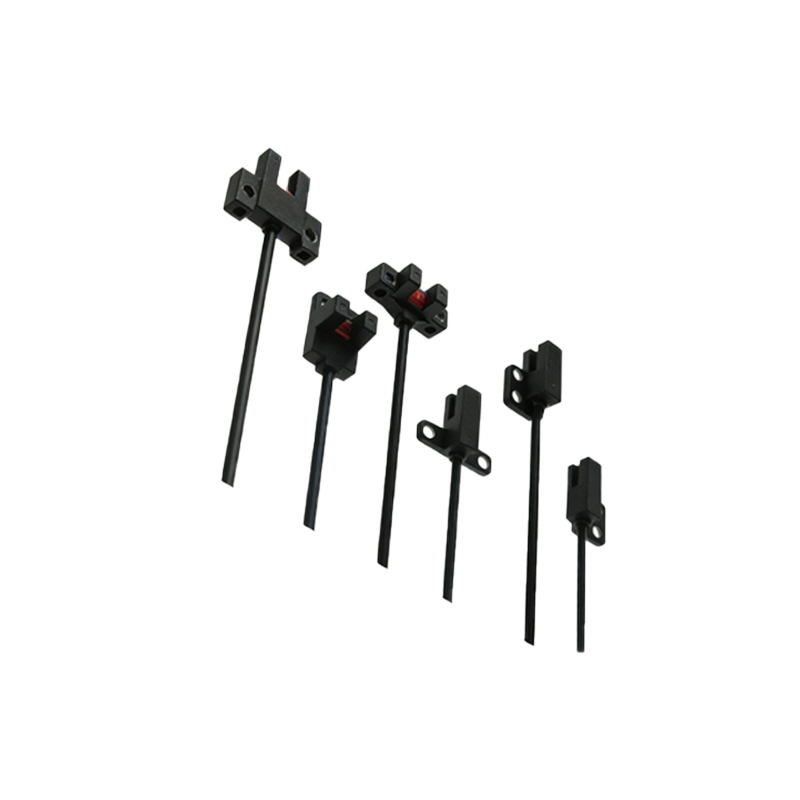
Addressing Environmental Challenges in Mask Lines
Mask production environments present unique challenges: dust from non-woven fibers, static electricity, and high humidity. To maintain reliability, engineers should specify IP67-rated sensors with air purge systems to keep optics clean. Anti-static housings are recommended for polyester-based fabrics. Additionally, selecting sensors with built-in mutual interference prevention is crucial when multiple units operate in close proximity, as false signals can corrupt PLC logic.
Integration with PLC and Industry 4.0 Systems
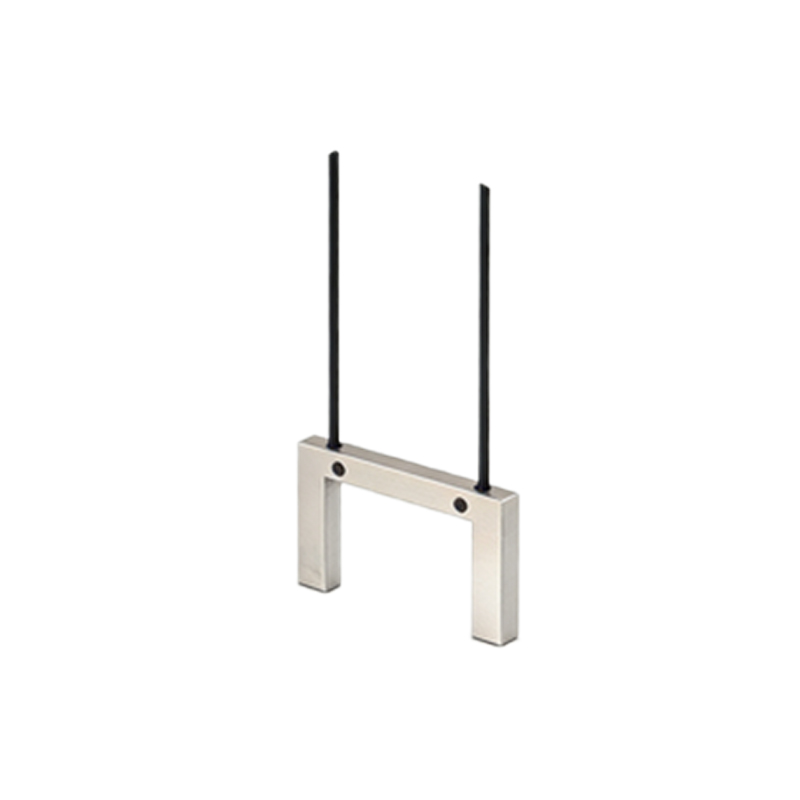
Modern photoelectric sensors should support IO-Link communication for real-time diagnostics and parameter adjustment. This allows predictive maintenance by monitoring sensor performance degradation. For example, if a sensor’s excess gain drops below 1.5x, it signals lens contamination or misalignment. Integrating sensors with a centralized SCADA system enables production managers to track mask output per shift and instantly identify bottleneck stations.
Best Practices for Sensor Selection and Maintenance
When specifying sensors for mask lines, always calculate the sensing margin for worst-case conditions (e.g., worn or discolored materials). Use laser-based sensors for high-precision tasks like nose wire detection, and LED-based sensors for general material presence. Implement a weekly cleaning schedule using lint-free wipes and isopropyl alcohol for optics. Document sensor alignment settings for quick replacement. Finally, train maintenance staff on fiber optic sensor troubleshooting, as these are often used in tight spaces near ultrasonic horns.
Conclusion: Enhancing Throughput and Reducing Waste
By strategically deploying photoelectric sensors, mask manufacturers can achieve over 99.5% detection accuracy, reduce material waste by 15%, and lower unplanned downtime. As automation demands increase with global health crises, mastering these sensor applications becomes not just an engineering necessity but a public health imperative. The future will see even smarter sensors with embedded AI for adaptive learning, but the fundamentals of robust optical detection remain unchanged.