Introduction to CPC Photoelectric Sensors in Galvanizing Lines
In the steel industry, galvanizing lines are critical for applying a protective zinc coating to steel strips, ensuring corrosion resistance and durability. A key component in modernizing these lines is the CPC (Center Position Control) photoelectric sensor. These sensors, often edge-tracking or center-guiding devices, use light beams to detect strip position with high accuracy. By providing real-time feedback to the control system, they minimize misalignment, reduce scrap, and improve overall line speed. This article explores the technical benefits and operational roles of CPC photoelectric sensors in galvanizing processes.
Functionality and Operating Principles
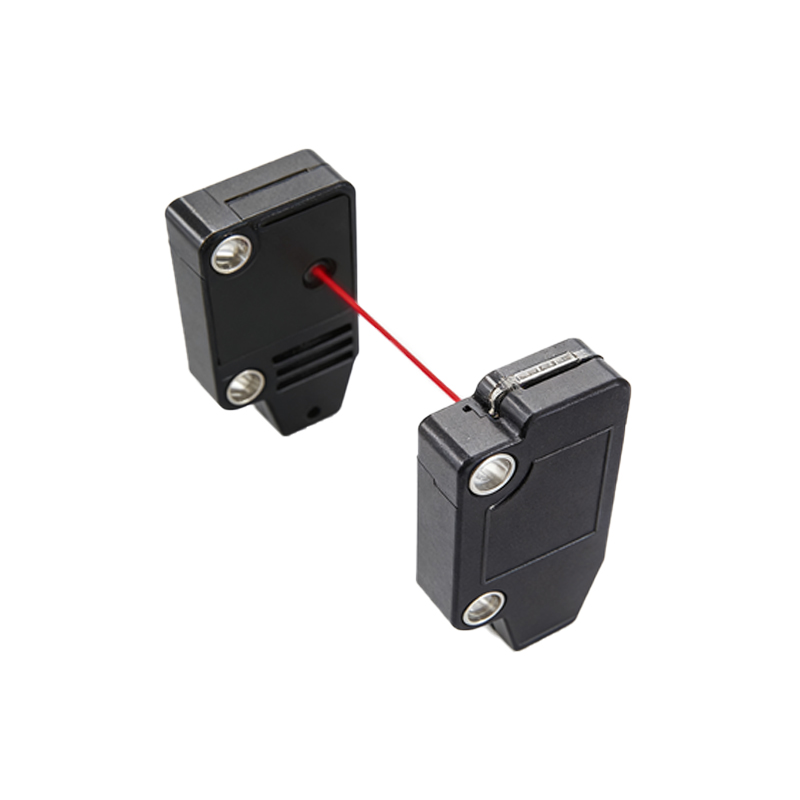
CPC photoelectric sensors operate on the principle of light emission and reception. They consist of an emitter and a receiver, often configured in a through-beam or retro-reflective setup. In a galvanizing line, the sensor is positioned near the strip entry or exit. As the steel strip passes, its edge or center position interrupts the light path. The sensor outputs an analog or digital signal proportional to the displacement. This signal is processed by a PLC or dedicated controller, which then adjusts hydraulic or mechanical guiding rollers to correct the strip’s lateral movement. The response time is typically under 10 milliseconds, crucial for high-speed lines operating at 100-200 meters per minute.
Advantages Over Mechanical Tracking Systems
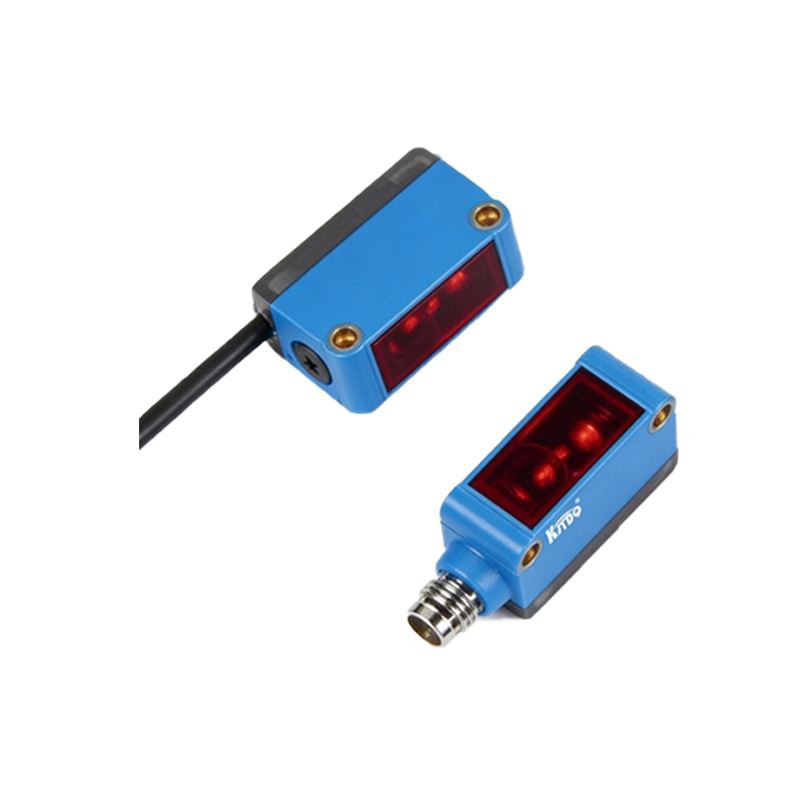
Traditional mechanical edge-guiding systems rely on physical contact with the strip, leading to wear, maintenance, and potential surface damage. CPC photoelectric sensors offer non-contact detection, eliminating these issues. They are immune to vibration, dust, and temperature variations common in galvanizing environments. Additionally, they provide higher resolution, often down to 0.1 mm, ensuring precise centering. This reduces edge overcoating and undercoating, which can cause zinc waste or product defects. For continuous galvanizing lines, this translates to consistent quality and lower operating costs.
Integration with Advanced Control Systems
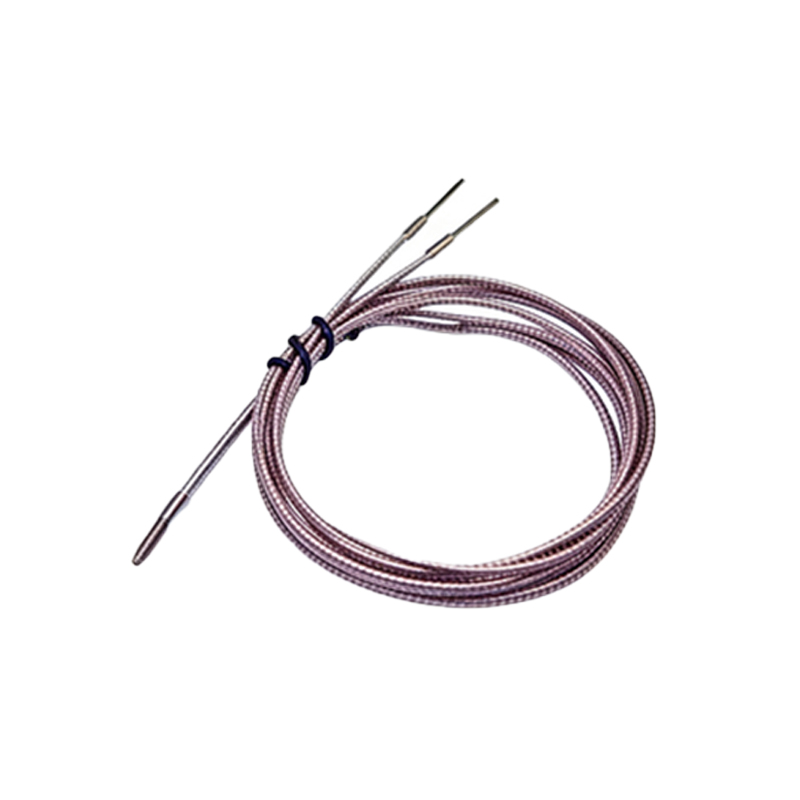
Modern galvanizing lines incorporate Industry 4.0 principles, where CPC sensors integrate seamlessly with automated control networks. The sensor’s output can be fed into a supervisory control and data acquisition (SCADA) system for real-time monitoring. Parameters such as strip width, speed, and tension can be correlated to sensor data for predictive maintenance and process optimization. For example, if the sensor detects frequent deviations, it may indicate roller wear or tension imbalance, prompting preemptive action. This integration enhances line availability and reduces unplanned downtime, which is critical for high-volume production.
Practical Considerations for Installation and Calibration
Proper installation is vital for optimal performance. The sensor should be mounted at a consistent distance from the strip, typically 50-200 mm, depending on the model. The light source must be aligned perpendicular to the strip edge to avoid false readings caused by reflections. Calibration involves setting the reference zero point, which can be done manually or automatically using a teach-in function against a known strip position. In harsh galvanizing environments, protective enclosures with air purging or cooling systems may be needed to prevent zinc fumes or heat from affecting sensor accuracy. Regular cleaning of the optics is also recommended to maintain signal integrity.
Conclusion: The Future of CPC Sensors in Galvanizing
As galvanizing lines push toward higher speeds and tighter tolerances, CPC photoelectric sensors will remain indispensable. Emerging technologies, such as laser-based CPC sensors with longer ranges and higher immunity to ambient light, are already entering the market. These advancements promise even better performance in dusty or smoky conditions. For electrical engineers and plant managers, investing in high-quality CPC sensors is a strategic move to enhance product quality, reduce waste, and achieve competitive advantage. The sensor’s role in maintaining precise strip alignment underscores its value in the steel processing ecosystem.