2026-04-23
Tech Hub
By 创始人
High-Tech Photoelectric Sensors: Revolutionizing Industrial Automation
Introduction to High-Tech Photoelectric Sensors
In the realm of industrial automation, high-tech photoelectric sensors have emerged as critical components for precision detection and control. These sensors utilize light beams—typically infrared, visible, or laser—to detect the presence, absence, or distance of objects without physical contact. Unlike traditional limit switches, they offer faster response times, higher accuracy, and durability in harsh environments. As an electrical engineer, I have witnessed their transformative impact on manufacturing lines, from automotive assembly to food processing. Their ability to operate in dusty, wet, or vibrating conditions makes them indispensable for modern Industry 4.0 setups.
Key Features and Technological Advancements
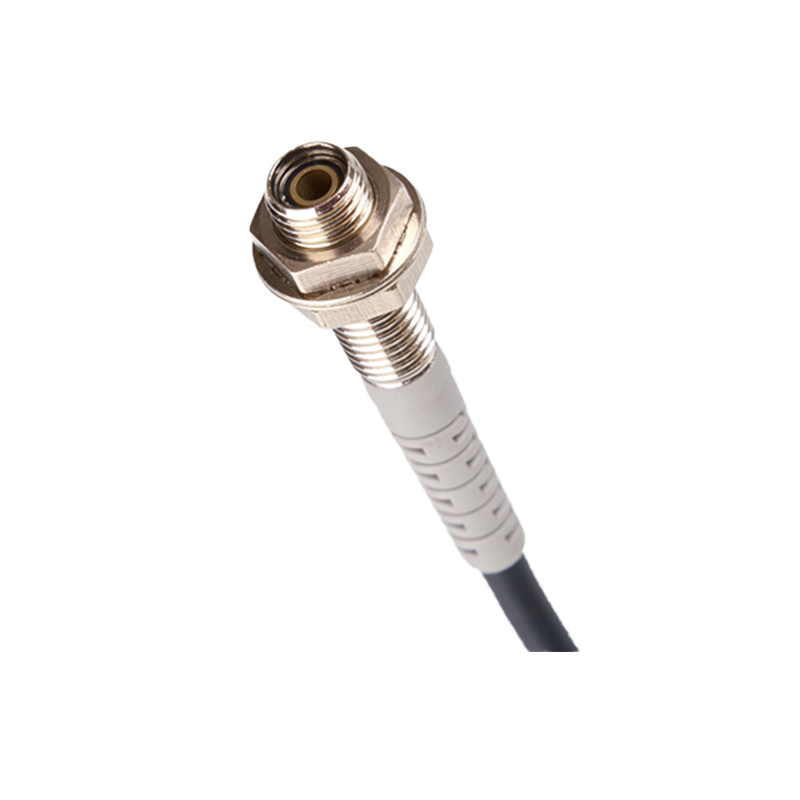
Modern photoelectric sensors boast advanced features such as background suppression, which eliminates false triggers from reflective surfaces, and teach-in programming for easy setup. Laser-based sensors provide millimeter-level precision for small object detection, while fiber optic variants excel in confined spaces. With IO-Link communication, these sensors now offer real-time data transmission, enabling predictive maintenance and integration with PLCs. For example, in a recent project for a packaging plant, we implemented through-beam sensors to detect transparent films—a task impossible for capacitive sensors. The result was a 15% reduction in downtime due to fewer misdetections.
Applications in Challenging Environments
High-tech photoelectric sensors excel where other technologies fail. In steel mills, for instance, extreme heat and metal shards can damage conventional sensors. However, retro-reflective sensors with polarized filters withstand such conditions, detecting hot billets accurately. Similarly, in pharmaceutical cleanrooms, diffuse sensors with blue LED light avoid contamination risks while monitoring vial alignment. A case study from a semiconductor fab showed that laser triangulation sensors improved wafer handling accuracy by 20%, reducing scrap rates. These examples highlight the sensors’ adaptability across industries.
Selection Criteria for Engineers
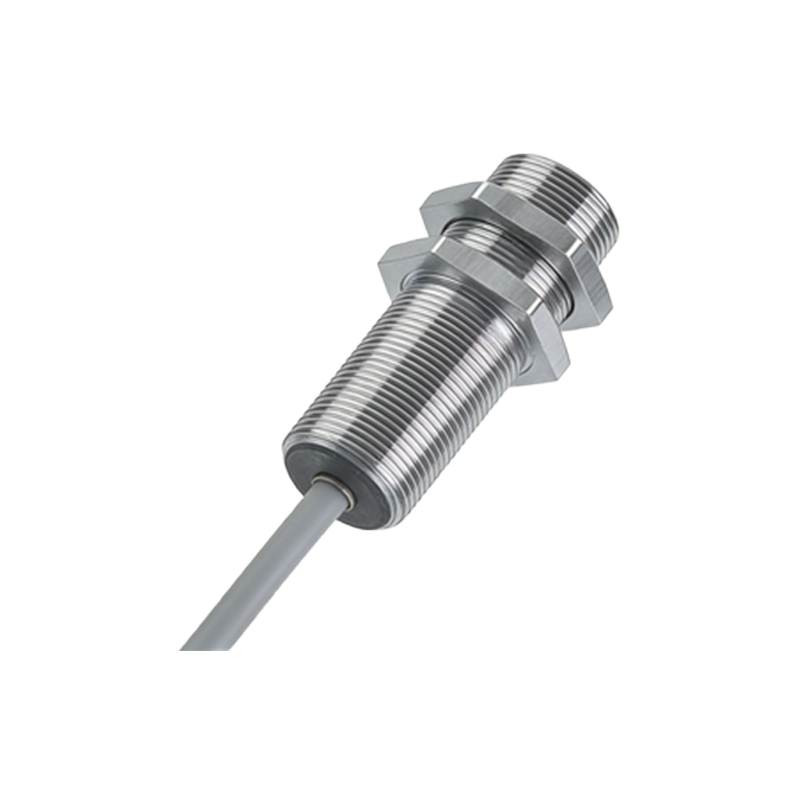
When selecting photoelectric sensors, engineers must consider factors like sensing range, ambient light immunity, and output type (NPN/PNP). For long-range detection (>10 meters), through-beam sensors are optimal but require alignment. Diffuse sensors suit short-range tasks but struggle with dark objects. I recommend consulting datasheets for response time—less than 1 millisecond for high-speed applications. Also, evaluate housing material: stainless steel for corrosive environments, plastic for cost-sensitive projects. In one case, choosing a sensor with a visible red beam simplified alignment in a low-light warehouse, saving 30% installation time.
Future Trends and Integration
Looking ahead, photoelectric sensors are evolving with AI-driven calibration and multi-pixel arrays. Smart sensors can now differentiate between product types using spectral analysis, crucial for sorting in recycling plants. The push toward wireless sensors via Bluetooth or Wi-Fi is gaining traction, reducing cabling costs. As an engineer, I anticipate that by 2025, over 40% of new installations will use IO-Link-enabled sensors, enabling cloud-based analytics. This trend will further enhance production flexibility and reduce manual intervention.
Conclusion: Why High-Tech Photoelectric Sensors Matter
In summary, high-tech photoelectric sensors are not just components but enablers of efficiency and reliability in automation. Their precision, robustness, and smart capabilities justify the investment for any forward-thinking operation. By staying updated on these technologies, engineers can optimize system performance and reduce total cost of ownership. Whether you are retrofitting an old line or designing a new facility, these sensors deserve top consideration.