What Is a Through-Beam Photoelectric Sensor?
A through-beam photoelectric sensor consists of two separate units: a transmitter and a receiver, which are aligned opposite each other. The transmitter emits a continuous beam of light, typically infrared or visible laser, directed toward the receiver. When an object interrupts this beam, the receiver detects the absence of light, triggering an output signal. This principle makes through-beam sensors highly reliable for detecting opaque objects over long distances, as the light path is direct and unaffected by ambient conditions. In industrial settings, they are commonly used for presence detection, counting, and positioning in conveyor systems, packaging lines, and automated machinery. The design ensures consistent performance in dusty or dirty environments because the emitter and receiver are housed separately, reducing maintenance needs.
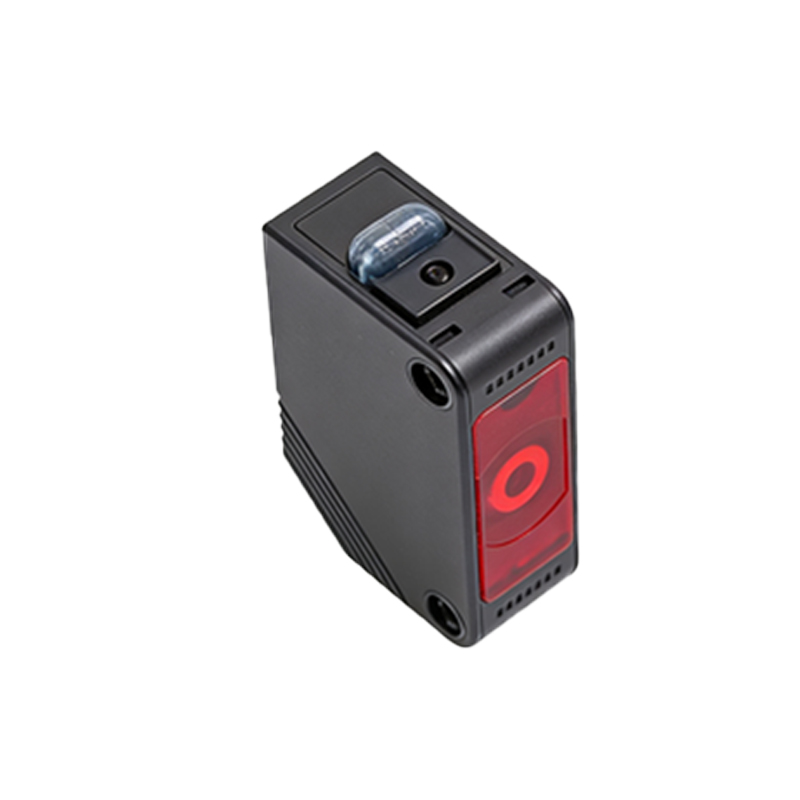
Key Components and Operation
The transmitter module includes a light source, such as an LED or laser diode, with a collimating lens to focus the beam into a narrow, parallel stream. The receiver module contains a photodetector, like a phototransistor or photodiode, paired with a lens to collect incoming light. The system operates by generating a modulated light signal to filter out interference from external light sources. When the beam is uninterrupted, the receiver maintains a steady state, often indicating a "clear" condition. Upon obstruction, the signal drops, causing the output to change, which can be used to trigger alarms, control actuators, or update PLCs. Advanced models include adjustable sensitivity and response times to accommodate various object sizes and speeds.
Advantages of Through-Beam Design
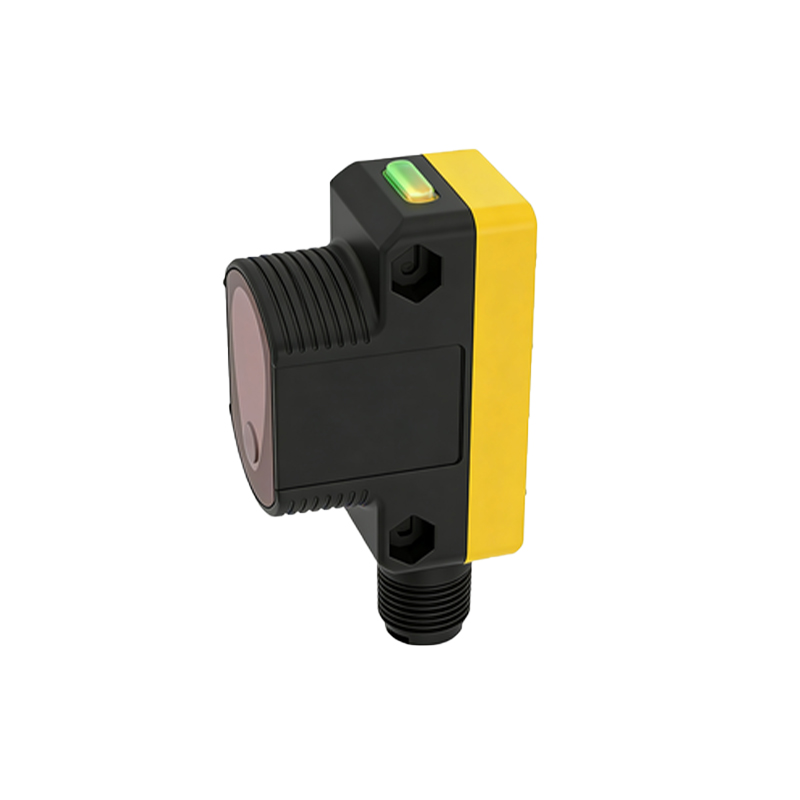
Compared to retro-reflective or diffuse sensors, through-beam sensors offer the longest detection ranges, often exceeding 30 meters in industrial environments. They provide high immunity to noise, such as ambient light or electromagnetic interference, due to the modulated beam. Object detection is precise, even for small or shiny targets, because the sensor does not rely on reflected light quality. Additionally, the separate housing allows for flexible mounting in tight spaces or on moving parts. These sensors are ideal for applications requiring high accuracy, such as in automotive assembly lines or material handling systems, where false triggers must be minimized.
Common Applications and Integration
Through-beam sensors are widely deployed in manufacturing for object counting on high-speed conveyors, detecting jams in packaging machines, and ensuring proper alignment in robotic arms. They are also used in security systems for perimeter detection and in logistics for warehouse automation. Integration with existing control systems is straightforward via standard outputs like NPN, PNP, or analog signals. When installing, careful alignment of the transmitter and receiver is crucial; misalignment can cause false readings. Many sensors feature mounting brackets and indicator LEDs for easy setup. Regular cleaning of lenses and checking for beam obstruction, such as dust accumulation, ensures long-term reliability.
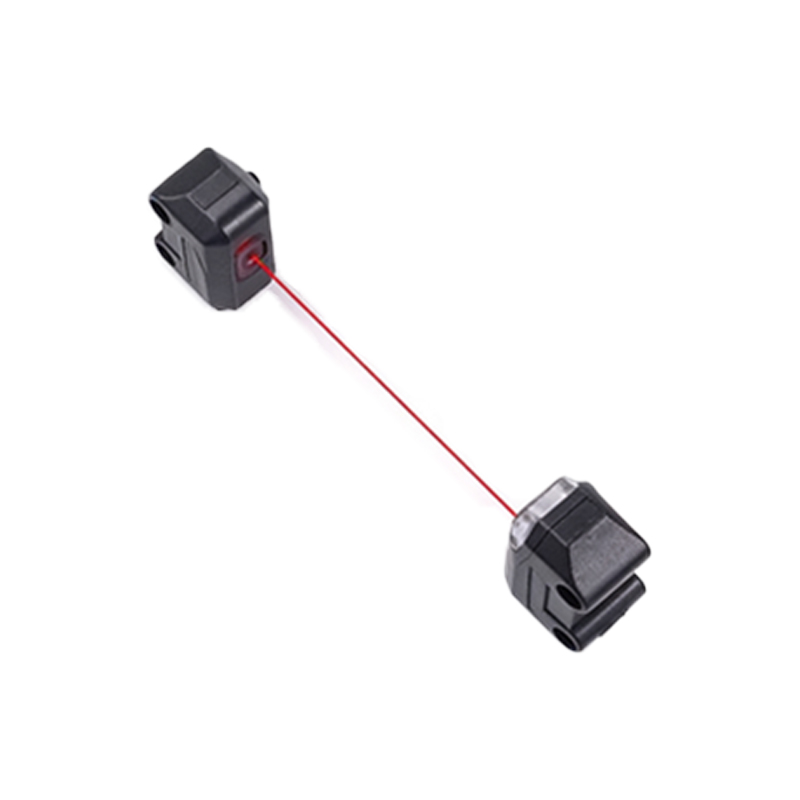
Design Considerations for Engineers
Engineers must account for factors like beam divergence, which spreads over distance, and the object's opacity and size relative to the beam width. For example, a smaller object may not block enough light if the beam is too wide. Selecting appropriate lens materials and housing ratings (e.g., IP67) is essential for harsh environments with moisture, vibration, or chemicals. The modulation frequency must be chosen to avoid crosstalk when multiple sensors are used nearby. Additionally, response time should match the speed of the process; fast objects require sensors with microsecond-level reaction times. Proper planning ensures maximum performance and minimal downtime.