Introduction to Photoelectric Sensor NPN Outputs
In industrial automation, photoelectric sensors are widely used for detecting objects, positions, and distances. Among various output configurations, the NPN output type is a common choice, especially in regions following European or Asian electrical standards. The terms "normally open" (NO) and "normally closed" (NC) refer to the electrical state of the sensor's output when no target is detected. Understanding whether an NPN photoelectric sensor is normally open or normally closed is crucial for proper circuit design and system integration. This article delves into the technical aspects, helping engineers and technicians make informed decisions.
Understanding NPN Transistor Outputs
An NPN output in a photoelectric sensor utilizes an NPN transistor to switch the load. The transistor acts as a low-side switch, meaning it connects the load to ground when activated. In this configuration, the sensor's output terminal is connected to the collector of the transistor, while the emitter is linked to ground. When the sensor detects an object, the transistor turns on, allowing current to flow from the load through the transistor to ground. The terms normally open and normally closed describe the default state of this switch in the absence of detection.
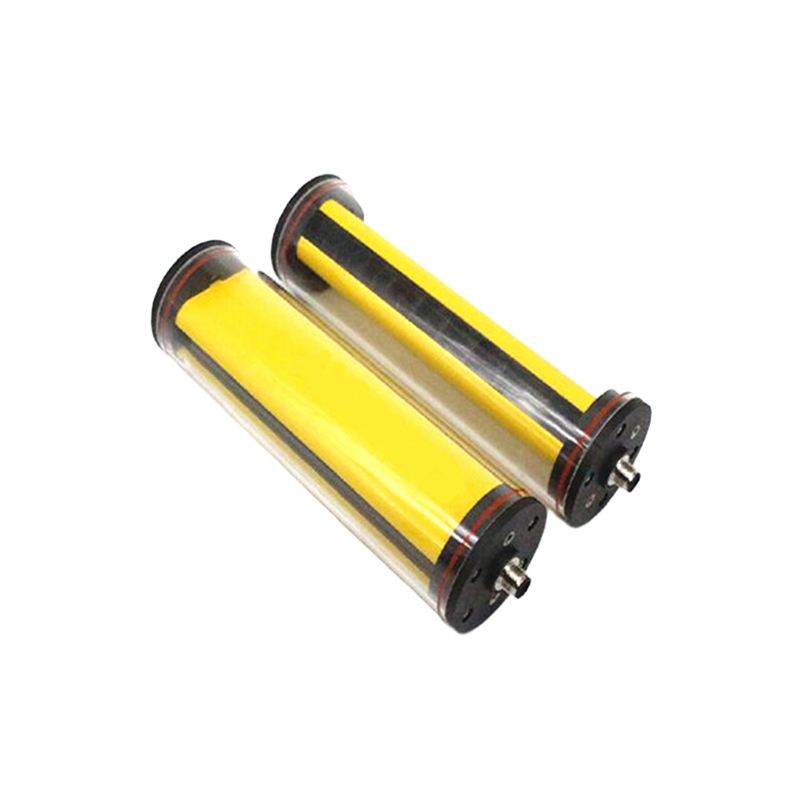
Normally Open (NO) NPN Photoelectric Sensors
A normally open NPN photoelectric sensor has an output that is in an open circuit state when no object is detected. In this condition, the transistor is off, and no current flows from the output to ground. When the sensor detects a target, the transistor switches on, closing the circuit and allowing current to flow. This type is commonly used in applications where an action should occur only upon detection, such as starting a conveyor belt when an item is present. For example, in a packaging line, an NO sensor might trigger a filler when a bottle is detected.
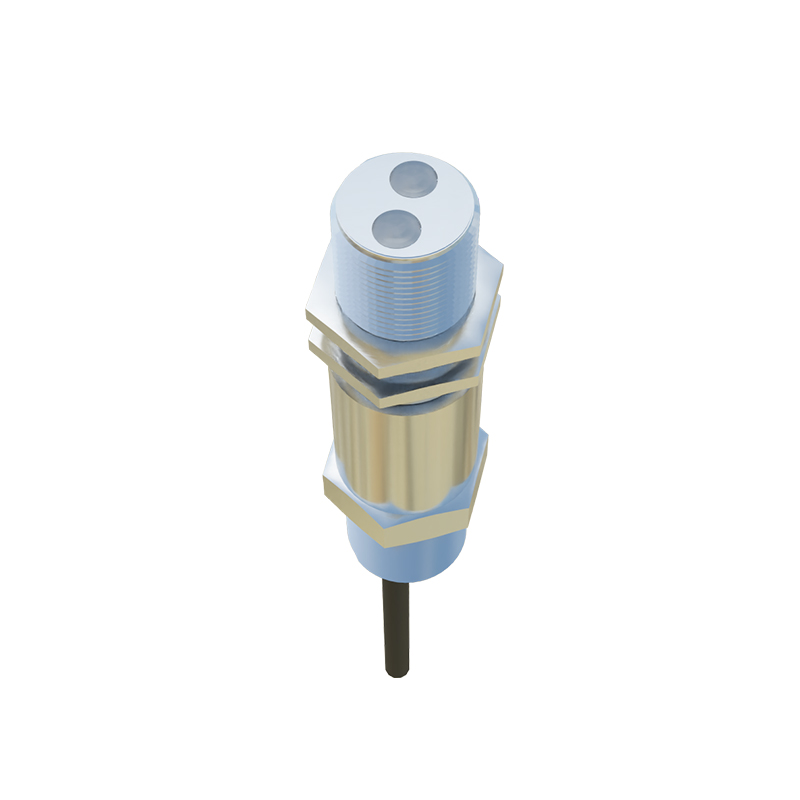
Normally Closed (NC) NPN Photoelectric Sensors
Conversely, a normally closed NPN photoelectric sensor has an output that is closed (conducting) when no object is detected. Here, the transistor is normally on, providing a path to ground. When an object is detected, the transistor turns off, opening the circuit and stopping current flow. NC configurations are often employed in safety-critical applications where a break in detection should signal an alarm or shutdown. For instance, in a guard door monitoring system, an NC sensor might ensure machinery stops if the door is opened.
Key Differences and Selection Criteria
The choice between NO and NC depends on the application's logic and safety requirements. Normally open sensors are typically used for active triggering, while normally closed sensors are preferred for fail-safe operations. In terms of wiring, NO sensors require the load to be connected between the positive supply and the sensor output, whereas NC sensors might involve different circuit layouts. Engineers should consider factors such as default state behavior, failure modes, and compatibility with PLC (Programmable Logic Controller) inputs. Misselection can lead to malfunction or hazardous conditions.
Wiring and Integration Examples
For an NPN normally open sensor, connect the sensor's power supply (usually 10-30V DC) to the positive and ground terminals. The output wire is linked to one end of the load (e.g., a relay coil), and the other load end is connected to the positive supply. When activated, the sensor grounds the output, completing the circuit. For an NPN normally closed sensor, the wiring is similar, but the load is energized when no object is detected. Always refer to the sensor's datasheet for specific pinouts and voltage ratings to avoid damage.
Common Applications in Industry
Photoelectric sensors with NPN outputs are versatile in various sectors. In automotive assembly, NO sensors might count parts on a line, while NC sensors could monitor protective barriers. In food processing, NO types detect containers for filling, and NC types ensure seal integrity by checking for gaps. Logistics systems use them for sorting packages, with selection based on whether an interruption should trigger an action (NO) or a stop (NC). Understanding these roles helps optimize automation setups for efficiency and safety.
Troubleshooting and Best Practices
When issues arise, first verify the sensor's mode (NO or NC) using a multimeter to check output states without detection. Ensure the power supply matches specifications and that wiring is correct. For NPN sensors, remember that the output switches ground, so input devices like PLCs must be configured accordingly (sinking inputs). Regular maintenance, such as lens cleaning and alignment checks, prevents false triggers. Labeling sensors with their output type during installation can save time during diagnostics and reduce errors in system modifications.
Conclusion and Final Recommendations
Determining whether a photoelectric sensor NPN is normally open or normally closed is fundamental to effective automation design. While NO sensors are common for standard detection tasks, NC sensors offer enhanced safety in fail-safe scenarios. Always assess the application's requirements, consult manufacturer documentation, and test configurations before full deployment. By mastering these concepts, engineers can ensure reliable and secure operations in diverse industrial environments, leveraging the right sensor type for optimal performance.