Introduction to Photoelectric Sensor Labels
In the realm of industrial automation, photoelectric sensors are critical components for detecting objects, distances, and changes in light. Accompanying these devices are labels or stickers that provide essential information such as model numbers, serial codes, installation instructions, and safety warnings. These labels are often applied during manufacturing and may need to be removed for maintenance, calibration, or replacement. A common question among engineers and technicians is whether these labels are designed for easy removal, or if they pose challenges during peeling. This article delves into the design, materials, and practical aspects of photoelectric sensor labels to address their peelability.
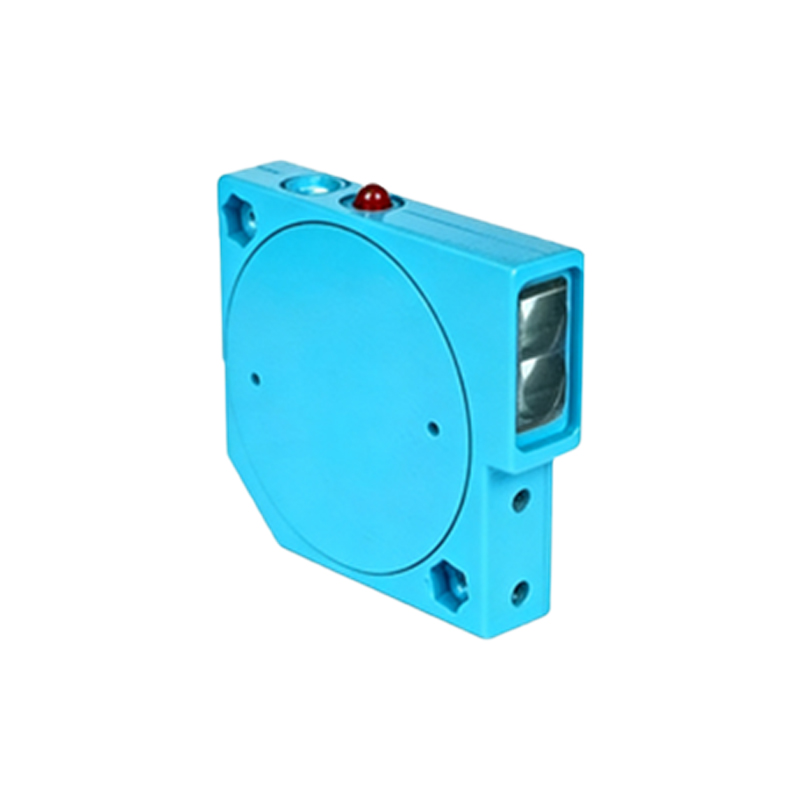
Material Composition and Adhesive Types
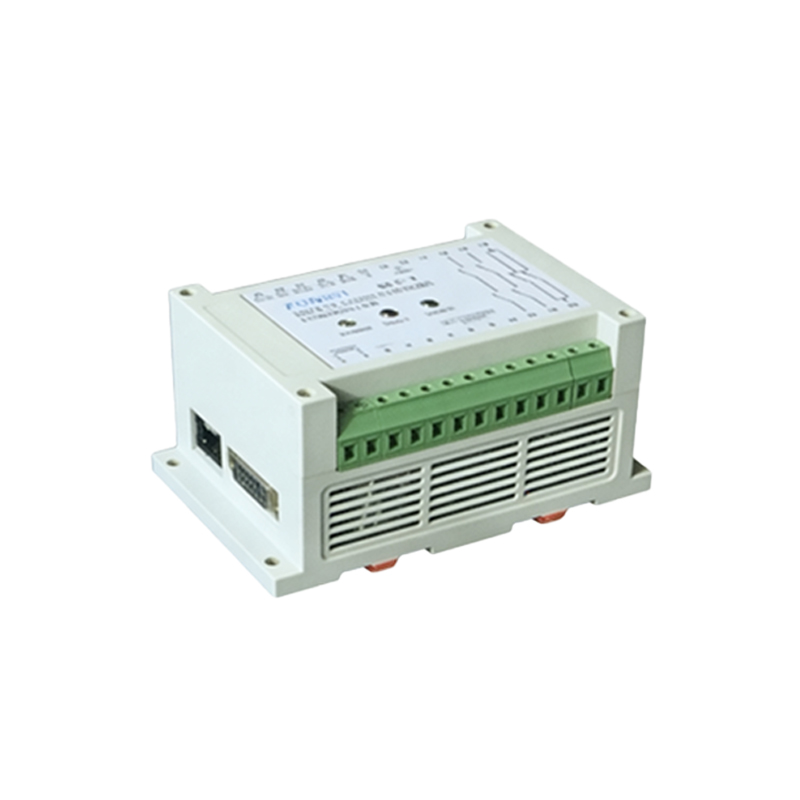
The ease of peeling a label from a photoelectric sensor largely depends on its material composition and the type of adhesive used. Typically, these labels are made from durable materials like polyester, polyimide, or vinyl, which offer resistance to environmental factors such as moisture, chemicals, and temperature fluctuations. The adhesives can range from permanent to removable variants. Permanent adhesives, often based on acrylic or rubber, provide strong bonding for long-term applications but may leave residue or damage surfaces upon removal. In contrast, removable adhesives are formulated to allow clean peeling without residue, making them ideal for temporary labeling or situations where labels need to be replaced frequently. Manufacturers may select adhesives based on the sensor's intended use—for instance, sensors in harsh environments might have labels with stronger adhesives to prevent accidental detachment.
Design Considerations for Peelability
Engineers design photoelectric sensor labels with various factors in mind, including peelability. Key design elements include the label's shape, size, and the presence of features like perforations or tabs. Labels with rounded corners or tab extensions are often easier to grip and peel, reducing the risk of tearing or leaving adhesive behind. Additionally, some labels incorporate a layered structure where the top layer can be removed cleanly, while a base layer remains for permanent information. This design is common in applications where part of the label needs to stay intact for regulatory compliance. The thickness of the label material also plays a role; thinner materials may tear more easily, while thicker ones can be peeled more smoothly. Manufacturers may conduct tests to ensure labels meet industry standards for durability and removability, balancing the need for adhesion with user convenience.
Challenges in Label Removal
Despite design efforts, removing photoelectric sensor labels can sometimes be challenging. Factors such as aging, exposure to extreme conditions, or improper application can cause adhesives to harden or bond more strongly to the sensor housing. For example, sensors used in high-temperature environments may have labels that become brittle or fused to the surface over time, making peeling difficult without tools. Residue from adhesives is another common issue, which can interfere with sensor functionality or aesthetics. In such cases, technicians might need to use solvents, heat guns, or specialized removal tools to facilitate the process. It's important to follow manufacturer guidelines to avoid damaging the sensor's housing or internal components during label removal.
Best Practices for Easy Peeling
To ensure photoelectric sensor labels peel off easily, several best practices can be adopted. First, when applying new labels, ensure the sensor surface is clean, dry, and free of contaminants to promote proper adhesion without excessive bonding. If removal is anticipated, consider using labels with removable adhesives or those designed for easy peel-off. During removal, gently lift a corner of the label and pull slowly at a low angle to minimize tearing and residue. For stubborn labels, applying mild heat with a hairdryer can soften the adhesive, making peeling smoother. Avoid using sharp objects that could scratch the sensor housing. Regularly inspecting and replacing labels as part of maintenance routines can also prevent buildup of hardened adhesives, ensuring easier future removals.
Industry Trends and Innovations
The industrial sector is seeing innovations aimed at improving label peelability for devices like photoelectric sensors. Advances in adhesive technology have led to the development of "clean release" adhesives that offer strong initial bonding but allow residue-free removal even after prolonged use. Additionally, smart labels with embedded RFID or QR codes are becoming more common, which may influence peelability due to their layered electronic components. Some manufacturers are exploring eco-friendly materials that degrade more easily, reducing environmental impact while maintaining functionality. As automation evolves, there is a growing emphasis on user-friendly designs that simplify maintenance tasks, including label management. Industry standards, such as those from organizations like ISO, may also incorporate guidelines for label adhesives to enhance usability across various applications.
Conclusion and Recommendations
In summary, whether photoelectric sensor labels are easy to peel off depends on multiple factors, including material choices, adhesive types, and environmental conditions. While many labels are designed for straightforward removal, challenges can arise in demanding industrial settings. To optimize peelability, it is advisable to select sensors with labels tailored to specific operational needs—for instance, opting for removable adhesives in applications requiring frequent label changes. Following best practices during application and removal can further ease the process. As technology progresses, ongoing innovations in label design and adhesives are likely to enhance user experience, making label management a more seamless aspect of photoelectric sensor maintenance. Engineers and technicians should stay informed about manufacturer specifications and industry trends to ensure efficient handling of these essential components.