Introduction to Front Guide Photoelectric Sensors
In the high-precision world of modern printing, the accurate registration of paper sheets is paramount. Front guide photoelectric sensors are critical components in sheet-fed printing presses, responsible for detecting the leading edge of each sheet as it arrives at the printing unit. These sensors ensure that every sheet is positioned with micron-level accuracy before the impression cylinder engages, directly impacting print quality, reducing waste, and maximizing press speed. Unlike mechanical or pneumatic detection methods of the past, modern photoelectric sensors offer non-contact, reliable, and fast response times, making them indispensable in today's automated pressrooms. Their operation hinges on the principle of light beam interruption or reflection, providing a clean electrical signal to the press's central control system.
Core Operating Principles and Technologies
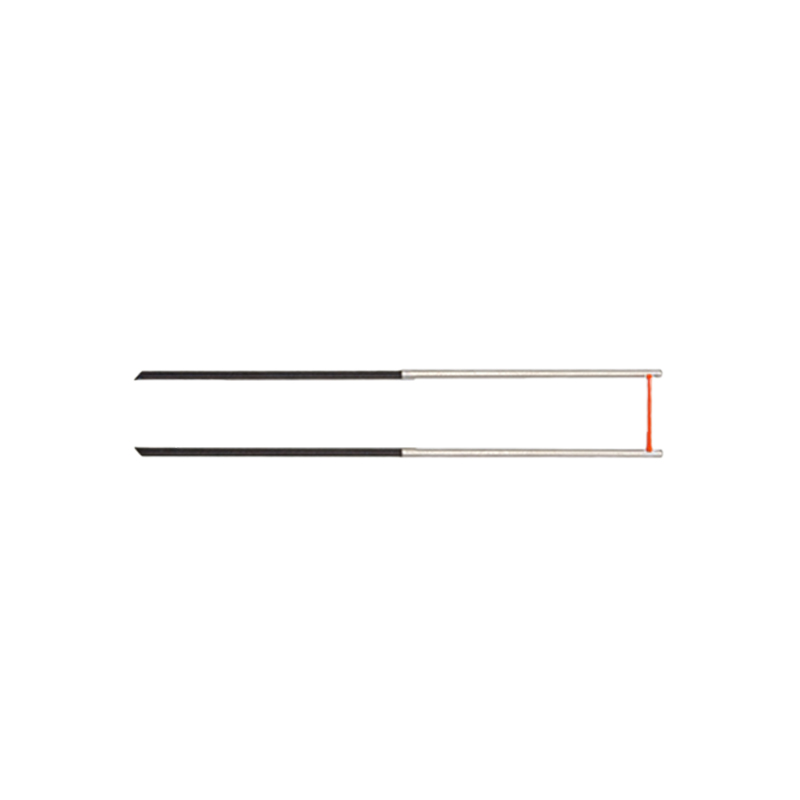
The fundamental operation involves an emitter and a receiver. The emitter, typically an infrared or visible LED, projects a focused light beam. The receiver, a phototransistor or photodiode, detects this beam. In the through-beam (or opposed) mode, the emitter and receiver are placed opposite each other. The leading edge of the paper interrupts the beam, triggering a signal. In the retro-reflective mode, a single unit houses both emitter and receiver, and a reflector bounces the light back. The paper breaks this reflective path. Diffuse reflective sensors detect light reflected directly off the paper surface itself. Advanced versions incorporate background suppression technology, which allows them to ignore reflections from shiny press parts or colored backgrounds, focusing only on the paper edge. This technology is crucial for handling various paper stocks, from glossy coated sheets to dark-colored substrates.
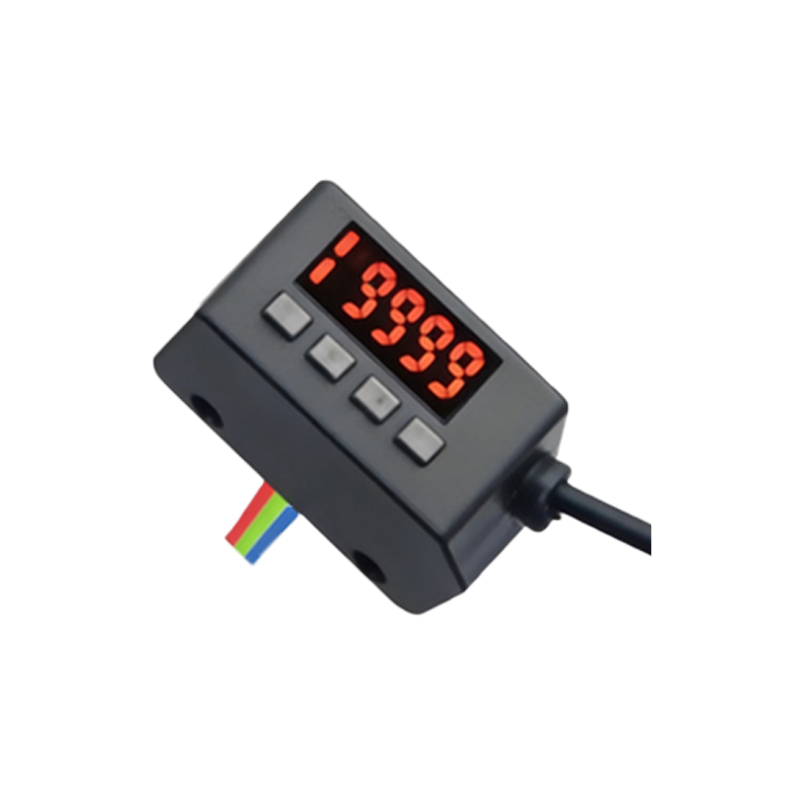
Key Performance Specifications and Selection Criteria
Selecting the correct sensor requires careful analysis of several technical parameters. Response time, often in microseconds, determines the maximum press speed the sensor can handle without missing a sheet. Sensing distance, or range, must be compatible with the mechanical setup of the front guide assembly. Light source type (infrared for immunity to ambient light, or visible red for easier alignment) is a key choice. Environmental ruggedness is non-negotiable; sensors must be rated IP67 or higher to withstand pervasive paper dust, ink mist, and occasional solvent splashes. Vibration resistance is also critical due to the dynamic nature of a running press. Output type (PNP/NPN, analog, or digital) must interface seamlessly with the press's PLC. Engineers must also consider the physical size and mounting options to fit within the constrained space of the guide assembly.
Integration with Press Control Systems
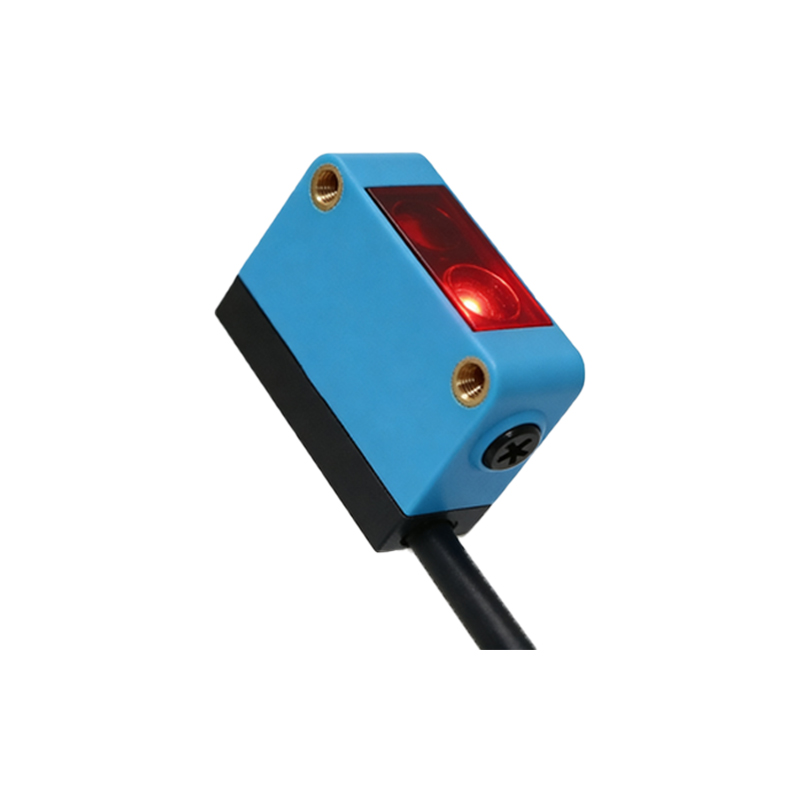
The sensor is not a standalone device but a critical input node in a larger control loop. The signal from the front guide sensor is fed into the press's Programmable Logic Controller (PLC) or dedicated registration system. This system uses the precise timing of the sheet's arrival to calculate and, in advanced presses, dynamically adjust the timing of the impression cylinder, feeder, and transfer units. Modern sensors with IO-Link or other industrial communication protocols provide not just a simple on/off signal but also diagnostic data, such as signal strength, operating temperature, and contamination warnings. This enables predictive maintenance, alerting operators to clean the lens or check alignment before a misregistration fault occurs, thereby minimizing unplanned downtime.
Common Challenges and Troubleshooting Practices
Despite their reliability, photoelectric sensors face operational challenges. The most common issue is contamination of the optical lens by paper dust, powder, or ink, which attenuates the light signal. Regular, gentle cleaning with approved solvents is essential. Misalignment, caused by vibration or accidental impact, can lead to intermittent detection failures. Using laser alignment tools during installation and periodic checks is recommended. Another challenge is "false triggering" due to reflections from metallic press components or detection of sheet edges that are not perfectly straight (deckle edges). This is often addressed by fine-tuning the sensitivity potentiometer, switching to a background suppression model, or adjusting the sensor's mounting angle. Understanding the specific paper characteristics is also vital, as very thin or highly transparent stocks may require specialized sensors.
Future Trends and Advancements
The evolution of front guide sensing technology continues to align with Industry 4.0 trends in printing. The integration of smarter sensors with enhanced diagnostics and network connectivity is accelerating. Future sensors may incorporate embedded intelligence to self-compensate for gradual lens contamination or minor misalignment. There is also a trend toward miniaturization, allowing for more compact guide designs and the placement of multiple sensors for even more precise sheet profiling. Furthermore, research into alternative sensing principles, such as laser triangulation or vision-based systems, may offer solutions for novel applications or extreme accuracy requirements. However, the robustness, simplicity, and cost-effectiveness of photoelectric sensors ensure they will remain the workhorse of sheet detection for the foreseeable future.