Introduction to Lenovo Photoelectric Sensors
Lenovo, a globally recognized technology leader, extends its expertise into industrial automation with a robust portfolio of photoelectric sensors. These devices are engineered for precision, reliability, and seamless integration into diverse manufacturing and logistics environments. Photoelectric sensors operate by emitting a light beam (visible red, infrared, or laser) to detect the presence, absence, or distance of an object. Lenovo's range includes through-beam, retro-reflective, diffuse, and background suppression models, catering to applications from simple object detection to complex positioning tasks. Their sensors are known for durable housings, high switching frequencies, and resistance to environmental factors like dust and moisture, making them suitable for demanding industrial settings.
Factors Influencing Photoelectric Sensor Pricing
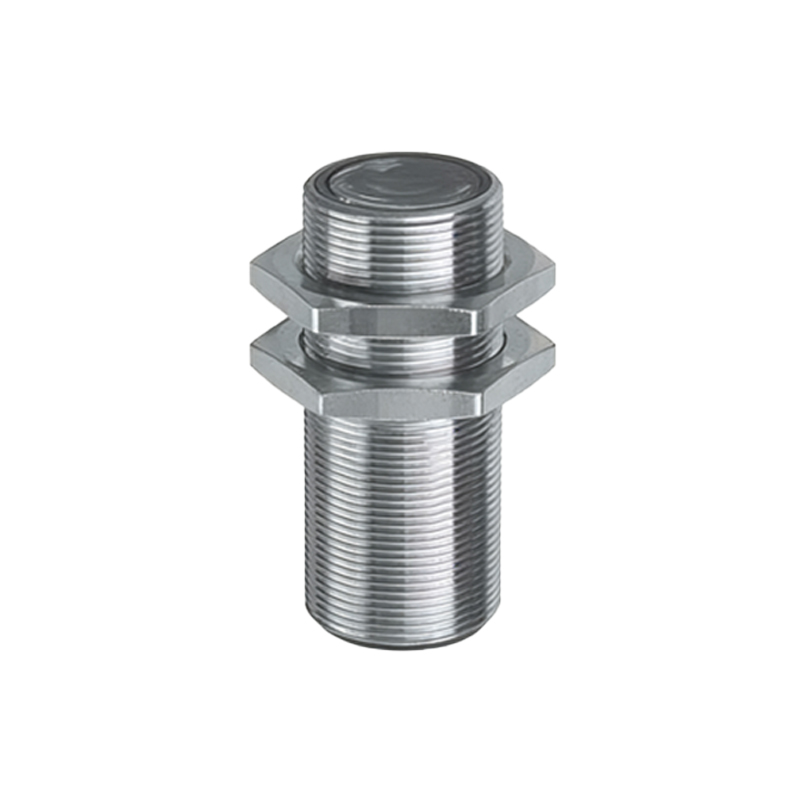
The price of a Lenovo photoelectric sensor is not a single figure but a spectrum determined by several technical and commercial factors. Key determinants include the sensing principle and type. A basic diffuse sensor is generally more economical than a precise background suppression or high-precision laser sensor. Detection range is another critical factor; sensors with longer ranges command higher prices. Additional features such as adjustable sensing distance (teach-in function), specialized output types (NPN/PNP, analog, IO-Link), and enhanced housing materials (stainless steel for washdown areas) contribute to cost. Finally, market dynamics, regional availability, and purchase volume (OEM pricing vs. single-unit retail) significantly impact the final price point for end-users and integrators.
Lenovo Photoelectric Sensor Series and Estimated Price Range
While Lenovo does not publish official public price lists, market analysis and distributor data provide a reliable estimate of cost brackets. Prices are indicative and subject to change. The entry-level series, such as standard diffuse sensors with a range up to 1 meter, typically fall in the range of $50 to $120 per unit. These are ideal for general-purpose detection. The mid-range series, featuring retro-reflective or through-beam sensors with ranges up to 10 meters and added features like adjustable sensitivity, are estimated between $120 and $300. The premium series includes advanced sensors like background suppression models for precise detection regardless of object color or surface, and long-range laser sensors for distances over 30 meters. These high-performance units can range from $300 to $600 or more, depending on their specifications and integration capabilities.
Comparative Market Analysis and Value Proposition
Positioned in a competitive market with giants like Omron, Sick, and Banner, Lenovo photoelectric sensors offer a compelling value proposition. Their pricing is often strategically competitive, especially in the mid-tier segment, providing a balance between performance and cost. The primary value lies in the integration with other Lenovo industrial IoT and computing solutions, offering potential synergies in smart factory setups. While absolute top-tier specialized sensors from niche manufacturers might offer extreme specifications, Lenovo provides reliable, well-rounded sensors that meet the vast majority of industrial applications. The brand's extensive global service and support network add significant intangible value, reducing potential downtime costs.
Procurement Channels and Cost-Saving Tips
Acquiring Lenovo photoelectric sensors is primarily done through authorized industrial automation distributors and OEM partners. Purchasing directly from these channels ensures authenticity, warranty, and technical support. For cost optimization, consider bundling sensors for larger projects to negotiate volume discounts. Evaluate the exact requirements of your application to avoid over-specifying; a standard diffuse sensor might suffice where a premium laser sensor is unnecessary. Additionally, explore the availability of sensor accessories like mounting brackets and cables from third-party compatible manufacturers, which can sometimes offer savings compared to genuine accessories, though compatibility must be verified.
Future Trends and Price Outlook
The photoelectric sensor market is evolving with trends towards miniaturization, smarter sensors with embedded diagnostics, and enhanced connectivity via IO-Link and Ethernet/IP. Lenovo is expected to incorporate these advancements into future product lines. While the addition of smart features may initially keep prices stable or slightly increase for new models, the overall trend in industrial electronics suggests gradual cost reduction for standard functionalities over the long term. However, fluctuations in global semiconductor supply chains and raw material costs can cause short-term price volatility. Investing in sensors with future-proof features like digital communication may offer better long-term value despite a higher initial outlay.
Conclusion and Final Recommendations
Selecting a Lenovo photoelectric sensor requires a careful analysis of technical needs against budget constraints. The price list is structured across distinct series, offering solutions from cost-effective basic detection to high-end precision measurement. For procurement, always consult with authorized distributors for the most accurate and current pricing tailored to your specific region and volume. Prioritize sensors that not only fit the application but also align with broader automation strategy, particularly if leveraging the Lenovo ecosystem. By understanding the factors behind the price and the market position, engineers and procurement specialists can make informed, value-driven decisions for their automation projects.