Introduction to Photoelectric Sensors in Compactor Trucks
Photoelectric sensors are critical components in modern Zhonglian compactor trucks, serving as the primary sensory interface for automated control systems. These devices operate on the principle of detecting changes in light intensity, typically using an infrared or laser light source and a receiver. In the harsh environment of waste management and compaction, these sensors provide non-contact detection of object presence, level, and position. Their robustness against dust, vibration, and temperature variations makes them indispensable for ensuring operational efficiency and safety. By converting optical signals into electrical outputs, they enable precise control over compaction cycles, bin loading, and safety interlocks, forming the backbone of intelligent truck functionality.
Working Principle and Core Technology
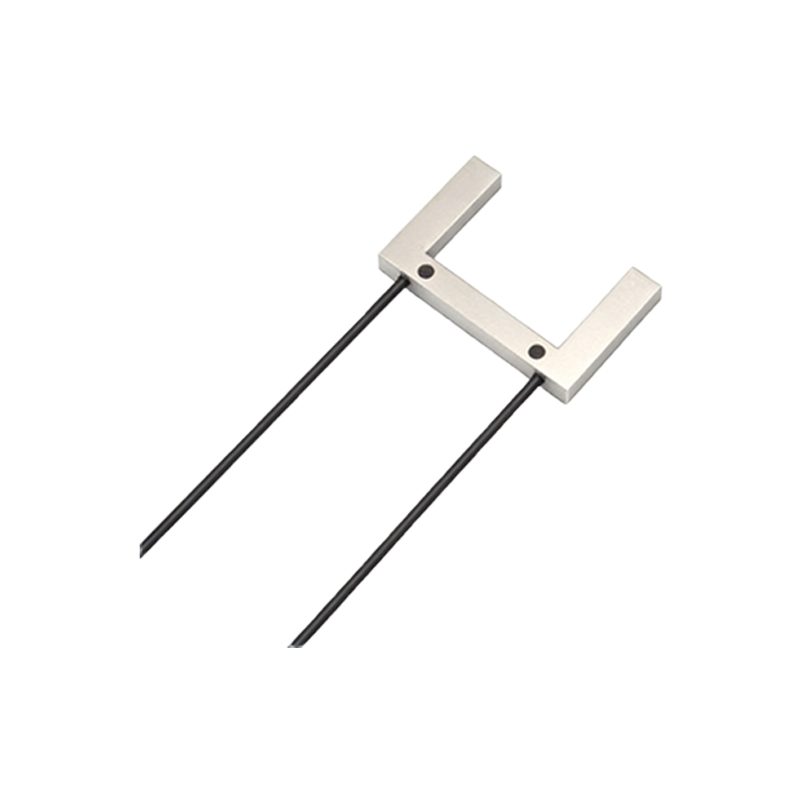
The core operation involves an emitter generating a light beam and a receiver detecting it. In through-beam sensors, the emitter and receiver are separate units; interruption of the beam signals an object's presence. Reflective sensors house both elements in one housing, detecting light reflected from a target. Diffuse reflective types rely on the target itself to reflect light. Advanced models in Zhonglian trucks often incorporate modulated LED or laser diodes to combat ambient light interference. Key technologies include background suppression for precise range detection and fiber-optic variants for extreme spaces. The sensor's output, typically PNP/NPN transistor or analog, interfaces directly with the truck's PLC, enabling real-time decision-making for hydraulic and mechanical systems.
Key Applications in Compaction Operations
In Zhonglian compactor trucks, photoelectric sensors are deployed in multiple critical areas. They monitor the fill-level of the waste hopper, preventing overloading by signaling when to stop loading and initiate compaction. Position sensors on the compaction blade ensure it retracts and extends to correct positions, optimizing each cycle. Safety sensors near access doors and moving parts halt operations if an obstruction is detected, protecting personnel. Additionally, they track the status of tailgate locks and container attachment, ensuring secure transport. This network of sensors allows for fully automated compaction sequences, reducing manual intervention and maximizing throughput.
Advantages Over Mechanical Alternatives
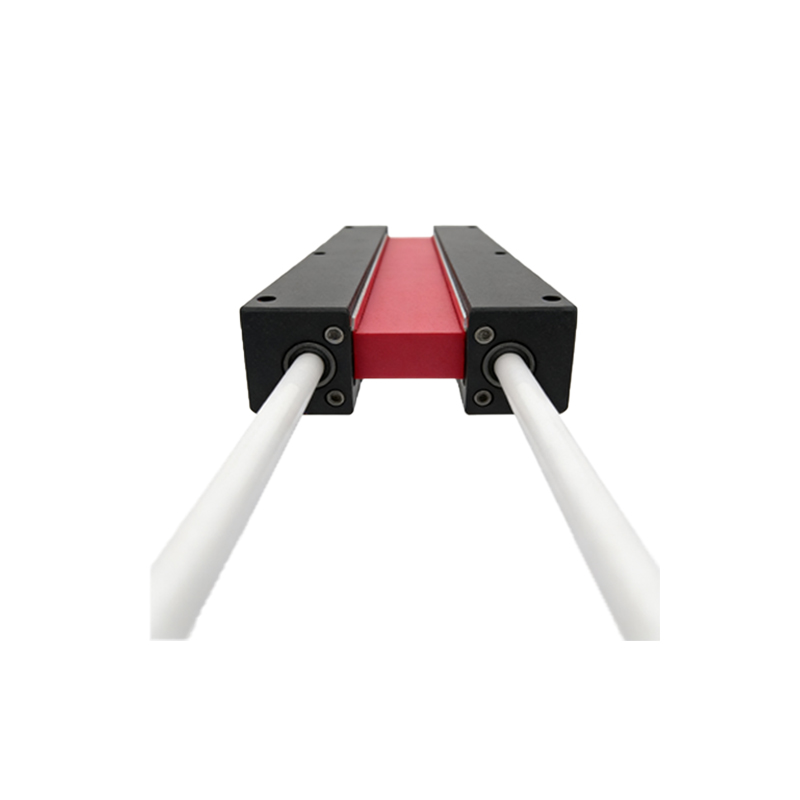
Compared to traditional mechanical limit switches or ultrasonic sensors, photoelectric sensors offer superior performance in compactor applications. Their non-contact nature eliminates wear and tear from physical impact, significantly extending service life in high-cycle operations. They provide faster response times, crucial for dynamic compaction processes. With no moving parts, they resist jamming from debris like plastic or mud—a common issue in waste handling. Their precision in detecting small or transparent objects ensures reliable operation even with varied waste streams. Furthermore, their sealed housings (often IP67/IP69K rated) withstand high-pressure washdowns and corrosive environments, reducing maintenance downtime.
Installation and Calibration Guidelines
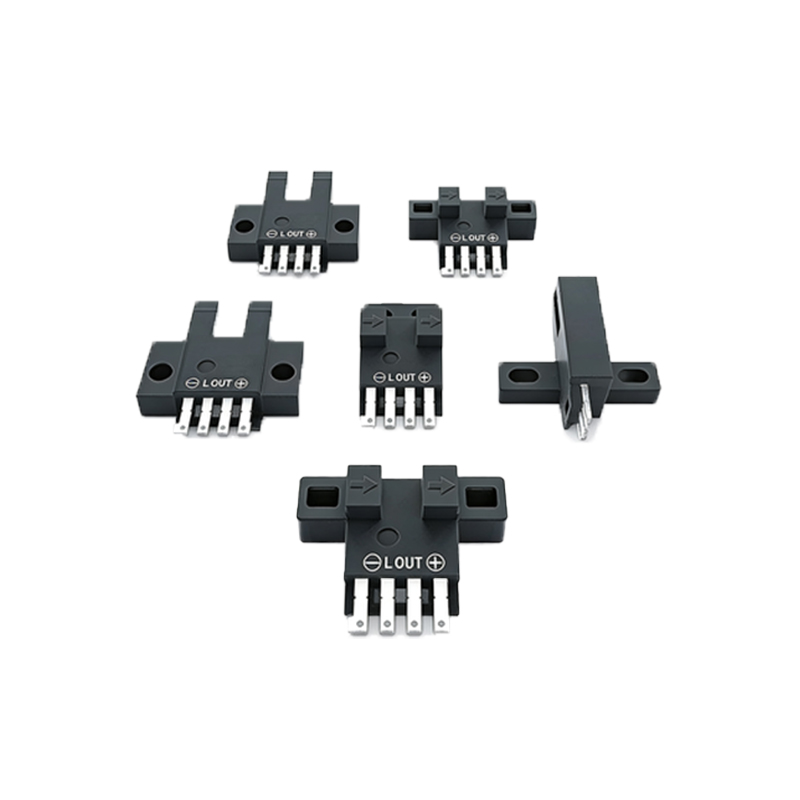
Proper installation is paramount for reliable sensor performance. Mounting must consider vibration isolation using rubber bushings to prevent false triggers from truck movement. Alignment of through-beam sensors requires precise tools to ensure the beam path remains unobstructed. For reflective sensors, the background—such as shiny metal surfaces—must be evaluated to avoid false reflections. Calibration involves setting the sensing distance and output delay to match the specific mechanical cycle of the compactor. Regular testing with simulated targets during preventive maintenance checks ensures continued accuracy. Technicians should also verify electrical connections for moisture ingress, a common failure point in outdoor operations.
Common Failure Modes and Troubleshooting
Despite their durability, photoelectric sensors can fail due to environmental stressors. Lens contamination from dust, grease, or water droplets is the most frequent issue, causing signal attenuation or false readings. Regular cleaning with appropriate solvents is essential. Electrical failures may stem from wire fatigue due to constant vibration or voltage spikes from the truck's hydraulic system. Diagnostics typically involve checking output status with a multimeter and verifying light emission using a dedicated tester. Interference from strong ambient light (e.g., direct sunlight) can be mitigated by using sensors with narrow-band filters or adjusting mounting angles. Implementing shielded cables and proper grounding minimizes electromagnetic interference from the engine and compactor motor.
Future Trends and Innovations
The evolution of photoelectric sensors for Zhonglian compactor trucks is geared toward greater integration and intelligence. IO-Link communication capability is becoming standard, allowing sensors to transmit diagnostic data (like lens contamination levels) to the central control system for predictive maintenance. Miniaturization enables installation in previously inaccessible spots for more comprehensive monitoring. Enhanced algorithms in smart sensors can distinguish between target types, such as identifying plastic film versus solid waste, allowing for adaptive compaction pressure settings. Furthermore, the integration with telematics systems enables remote monitoring of sensor health and performance analytics, paving the way for fully autonomous waste collection vehicles.