Introduction to Itr9608 Photoelectric Sensor
The Itr9608 is a widely recognized photoelectric sensor module in the industrial automation sector. This device operates on the principle of infrared light transmission and reception, typically consisting of an infrared emitter and a phototransistor receiver. Engineered for precision and reliability, the Itr9608 is commonly employed for object detection, counting, and position sensing in various machinery and production lines. Its compact design and consistent performance make it a staple component in environments requiring non-contact sensing solutions. The sensor's ability to detect objects without physical interaction minimizes wear and tear, thereby enhancing the longevity of both the sensor and the machinery it monitors.
Technical Specifications and Operating Principles
The Itr9608 photoelectric sensor operates within a standard infrared wavelength, usually around 940nm, which is optimal for minimizing interference from ambient light. The emitter diode transmits infrared light, which, when interrupted or reflected by an object, alters the current flow in the phototransistor. This change is then converted into a digital or analog signal for processing by control systems. Key specifications often include a sensing distance ranging from a few millimeters to several centimeters, depending on the configuration and environmental conditions. The module typically operates at low voltage DC supplies, such as 5V, making it compatible with common microcontrollers and industrial PLCs. Understanding these parameters is crucial for integrating the sensor effectively into specific applications.
Common Applications in Industrial Automation
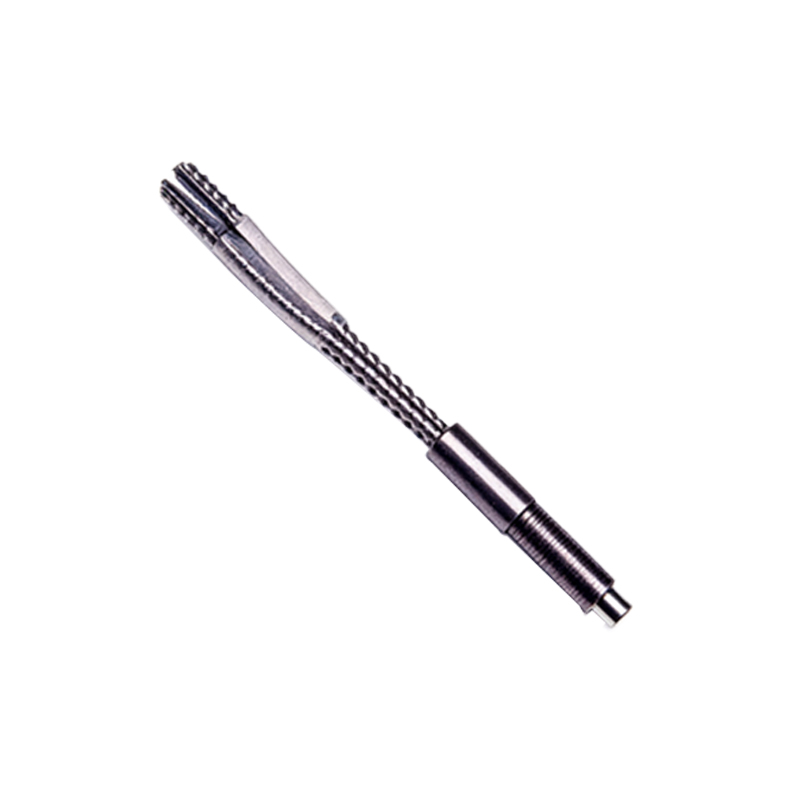
In industrial settings, the Itr9608 finds extensive use across multiple domains. One primary application is in assembly lines for detecting the presence or absence of components on conveyor belts. It ensures that parts are correctly positioned before subsequent operations like welding or packaging. Additionally, the sensor is utilized in counting mechanisms, where it tallies products as they pass through a checkpoint, aiding in inventory management and quality control. Another significant use is in edge detection for printing machines or CNC equipment, where precise alignment is paramount. Its robustness against dust and moderate environmental variations allows it to perform reliably in challenging factory conditions, contributing to reduced downtime and improved operational efficiency.
Installation and Calibration Best Practices
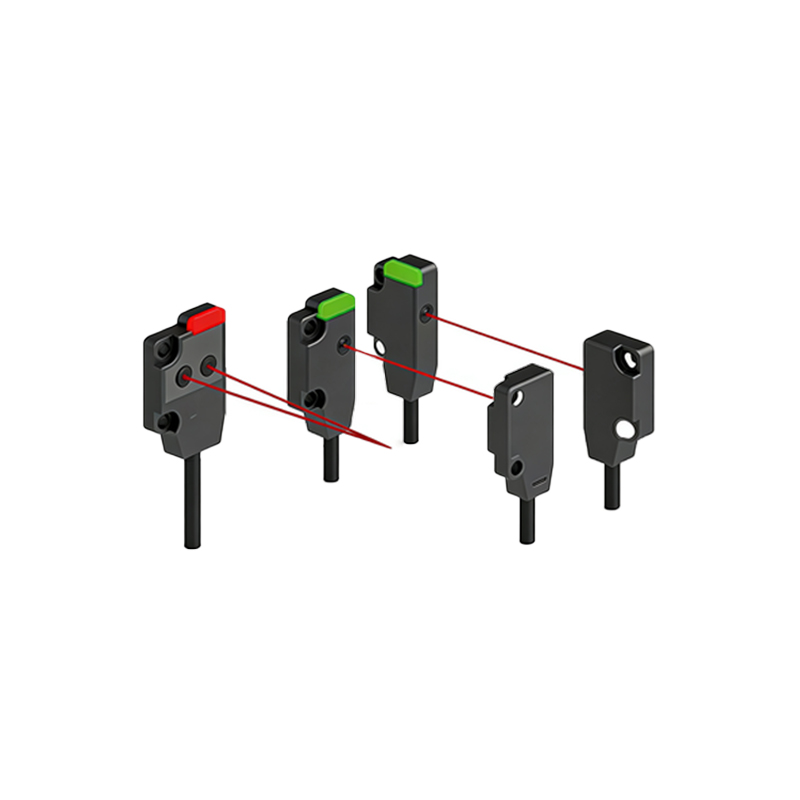
Proper installation and calibration are vital to maximizing the performance of the Itr9608 sensor. Mounting the sensor securely to avoid vibrations that could cause false triggers is essential. Alignment between the emitter and receiver must be precise, especially in through-beam configurations, where any misalignment can lead to detection failures. For reflective setups, ensuring the target surface has suitable reflectivity and is free from obstructions is critical. Calibration involves adjusting the sensitivity threshold to account for ambient light and object characteristics, often via potentiometers or software settings. Regular maintenance, such as cleaning the lens from dust or debris, helps maintain accuracy over time. Following manufacturer guidelines and conducting periodic checks can prevent operational disruptions.
Advantages Over Alternative Sensing Technologies
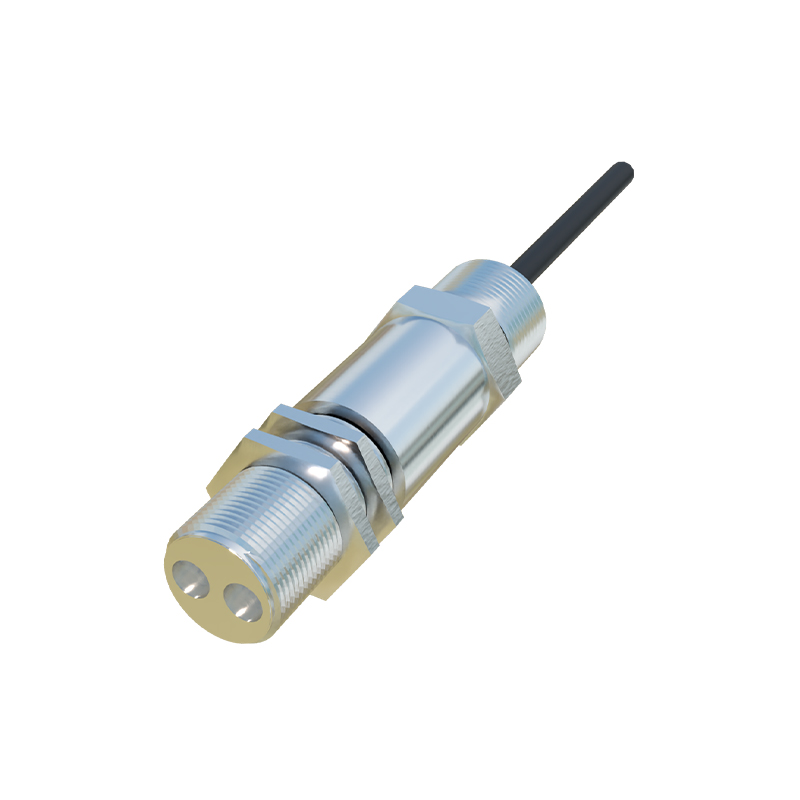
Compared to other sensing technologies like inductive or capacitive sensors, the Itr9608 offers distinct benefits. Its ability to detect non-metallic objects, including plastics, papers, and liquids, expands its applicability beyond metal-sensing limits. The non-contact nature eliminates mechanical stress, reducing maintenance needs and extending service life. Moreover, photoelectric sensors generally provide faster response times, which is crucial in high-speed production environments. While they may be sensitive to extreme environmental factors like heavy fog or direct sunlight, proper shielding and filtering can mitigate these issues. Cost-effectiveness and ease of integration further solidify the Itr9608's position as a preferred choice for many engineers seeking reliable detection solutions.
Troubleshooting Common Issues
Despite its reliability, users may encounter occasional issues with the Itr9608 sensor. Frequent problems include false triggering due to ambient light interference, which can be addressed by adjusting the sensitivity or installing light shields. Inconsistent detection might stem from misalignment, requiring realignment of the emitter and receiver. Power supply fluctuations can also affect performance, so ensuring stable voltage input is necessary. If the sensor fails to respond, checking connections for loose wires or corrosion is a good first step. Consulting the datasheet for voltage tolerances and output characteristics can aid in diagnosing electrical issues. In persistent cases, replacing the sensor or consulting technical support may be warranted to restore optimal functionality.
Future Trends and Industry Outlook
The evolution of photoelectric sensors like the Itr9608 is closely tied to advancements in industrial automation and IoT integration. Future iterations may feature enhanced sensitivity, wider operating temperature ranges, and built-in smart diagnostics for predictive maintenance. The trend towards miniaturization could lead to even smaller form factors without compromising performance, enabling use in compact devices. Additionally, integration with wireless communication protocols may facilitate remote monitoring and control, aligning with Industry 4.0 initiatives. As industries increasingly prioritize efficiency and connectivity, the Itr9608 and similar sensors are expected to play a pivotal role in smart manufacturing ecosystems, driving innovation in automated systems worldwide.