Understanding Photoelectric Sensor Output Types
Photoelectric sensors are widely used in industrial automation for detecting the presence, absence, or distance of objects. Their output signals can generally be categorized into two main types: digital (on/off) and analog (continuous voltage or current). Digital outputs are the most common, providing a simple high or low signal based on whether the sensor detects the target. This binary operation is fundamental for tasks like counting, positioning, or triggering events in machinery. However, the question of whether these sensors can generate pulse signals often arises in applications requiring precise timing or frequency-based measurements. Pulse outputs are essentially a specific form of digital signal characterized by rapid transitions between states, typically used for encoding information such as speed, rotation, or incremental position. While standard photoelectric sensors with digital outputs do not inherently produce pulses in the same way as dedicated encoders or pulse generators, they can be utilized in systems to create or respond to pulsed conditions through external circuitry or controller programming.
Pulse Generation Capabilities and Limitations
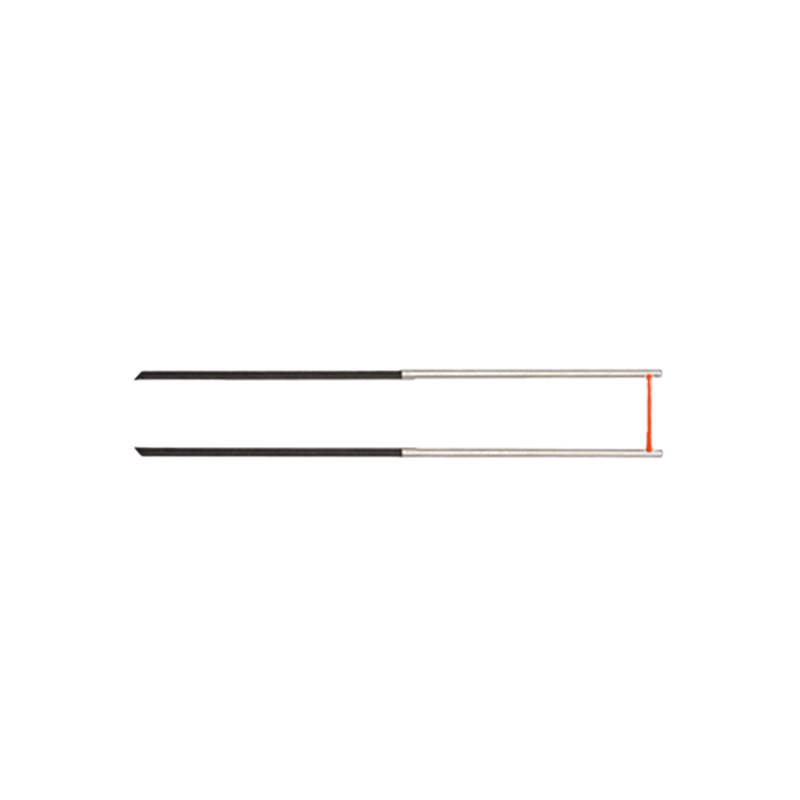
In technical terms, a photoelectric sensor itself does not "generate" a pulse signal in the way a function generator might. Instead, its output can be manipulated to represent pulses based on object movement or external commands. For instance, a retro-reflective or through-beam sensor detecting a rotating encoder disc with alternating reflective and non-reflective segments will produce a digital output that toggles as each segment passes. This results in a pulse train whose frequency corresponds to the rotation speed. Similarly, in counting applications, each detected object can be considered a pulse event when monitored by a high-speed counter module in a PLC (Programmable Logic Controller). The sensor's response time, often listed in datasheets as switching frequency (e.g., 1 kHz to 10 kHz), determines how quickly it can detect changes and thus the maximum pulse frequency it can handle. Factors like sensing distance, object surface properties, and environmental conditions (e.g., ambient light, dust) can affect reliability in pulse-based setups. It is crucial to select sensors with fast response times and appropriate output configurations (e.g., NPN/PNP open collector) compatible with pulse input devices.
Applications Requiring Pulse-Like Signals
Several industrial scenarios leverage photoelectric sensors in pulse-like roles. In conveyor systems, sensors placed along the belt can detect product edges, generating signals that approximate pulses for speed monitoring or synchronization. In packaging machinery, they might trigger precise filling operations based on item passage, effectively creating timed pulses for control logic. Rotary encoders, which are specialized photoelectric devices, directly output quadrature pulses for position feedback in motors. Even standard diffuse sensors can be used in high-speed sorting lines where each detection initiates a brief output pulse to actuate a diverter. The key is integrating the sensor with a controller capable of interpreting its transitions as pulses. Modern sensors with IO-Link or other smart communication protocols can transmit digital data that includes pulse-count information, enhancing flexibility. However, for true high-resolution pulse generation, dedicated incremental encoders or laser sensors are often preferred due to their higher accuracy and frequency capabilities.
Technical Considerations for Implementation
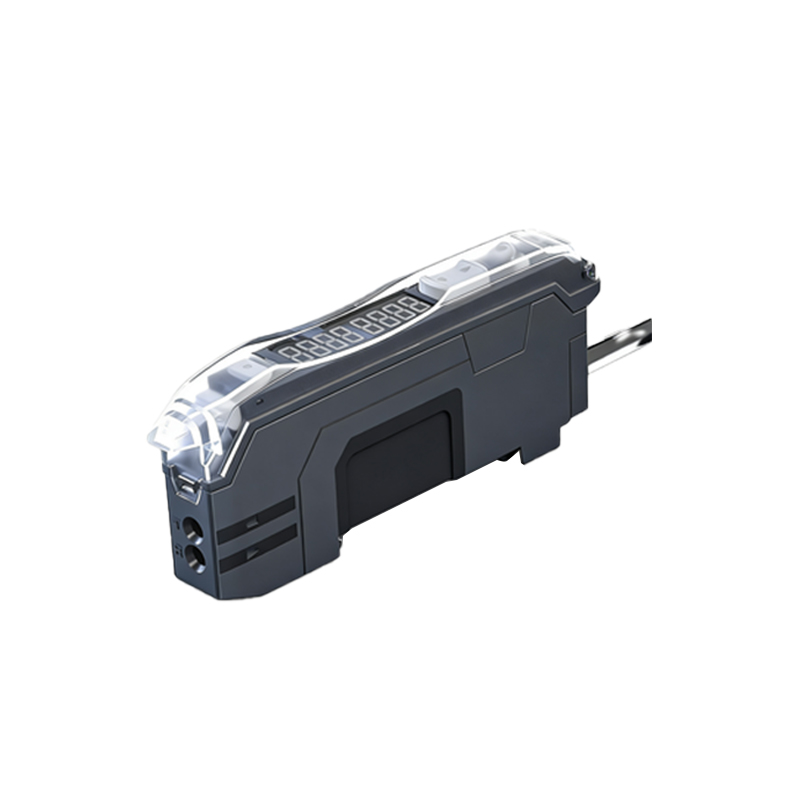
To effectively use a photoelectric sensor in pulse-related applications, engineers must consider multiple technical aspects. First, the output type should match the input requirements of the receiving device (e.g., counter, PLC). Many sensors offer configurable outputs, including short-circuit protected versions suitable for pulsed environments. Second, response time is critical; a sensor with a 0.1 ms response can theoretically handle up to 10 kHz pulses, but real-world factors may reduce this. Third, wiring and noise immunity are vital, as pulse signals are susceptible to interference in industrial settings. Shielded cables and proper grounding help maintain signal integrity. Additionally, some sensors feature built-in functions like "one-shot" pulse output, which emits a fixed-duration pulse upon detection, useful for timing control. For complex tasks, combining multiple sensors or using array sensors can create multi-pulse systems for advanced monitoring. Always refer to manufacturer specifications for pulse duty cycle and load compatibility to avoid damage. Testing in the actual environment is recommended to validate performance under expected pulse rates.
Comparing with Dedicated Pulse Output Devices
While photoelectric sensors can adapt to pulse needs, they differ from dedicated pulse-output devices like rotary encoders or proximity sensors with explicit pulse modes. Encoders provide precise pulse per revolution (PPR) ratings and often include multiple channels for direction sensing. Photoelectric sensors, in contrast, are primarily designed for detection rather than continuous pulse generation. Their strength lies in versatility—they can detect various objects (transparent, colored, small) at ranges from millimeters to meters, whereas encoders are limited to rotational or linear movement. For simple pulse counting at moderate speeds (e.g., under 5 kHz), a photoelectric sensor with a fast response may suffice, reducing cost and complexity. However, for high-speed or high-precision applications such as servo motor feedback, dedicated pulse generators are necessary. Hybrid solutions exist, such as sensors with embedded counters that output pre-processed pulse data via fieldbus networks. Ultimately, the choice depends on the required accuracy, frequency, and environmental conditions of the application.
Conclusion and Best Practices
In summary, photoelectric sensors are not inherently pulse generators, but they can be effectively employed in systems requiring pulse-like signals through proper configuration and integration. Their digital outputs can represent pulses when detecting moving objects or with external triggering. Key factors for success include selecting sensors with high switching frequencies, ensuring compatibility with control hardware, and mitigating environmental interference. For applications demanding high-resolution or continuous pulse streams, dedicated devices remain superior. Engineers should assess the specific needs—speed, accuracy, and object characteristics—before deciding. As technology advances, smart sensors with enhanced digital capabilities are blurring the lines, offering more integrated solutions for pulse-based automation. Always consult technical datasheets and application notes to optimize performance in pulse-utilizing setups.