Introduction to Photoelectric Sensor Contamination Challenges
In the demanding environments of modern industrial automation, photoelectric sensors are indispensable for tasks ranging from object detection and positioning to counting and quality control. However, their operational reliability is perpetually threatened by environmental contaminants such as dust, oil mist, moisture, and particulate matter. These contaminants accumulate on the sensor's lens and housing, leading to signal attenuation, false triggering, or complete operational failure. In critical processes, even minor performance degradation can result in costly downtime, production errors, and compromised safety. Traditional maintenance methods, like manual wiping or scheduled shutdowns for cleaning, are often inefficient, labor-intensive, and can introduce human error or damage to sensitive optical components. This persistent challenge necessitates a proactive, automated solution to maintain optical clarity and ensure consistent sensor performance.
The Principle and Design of Blow-off Cleaning Accessories
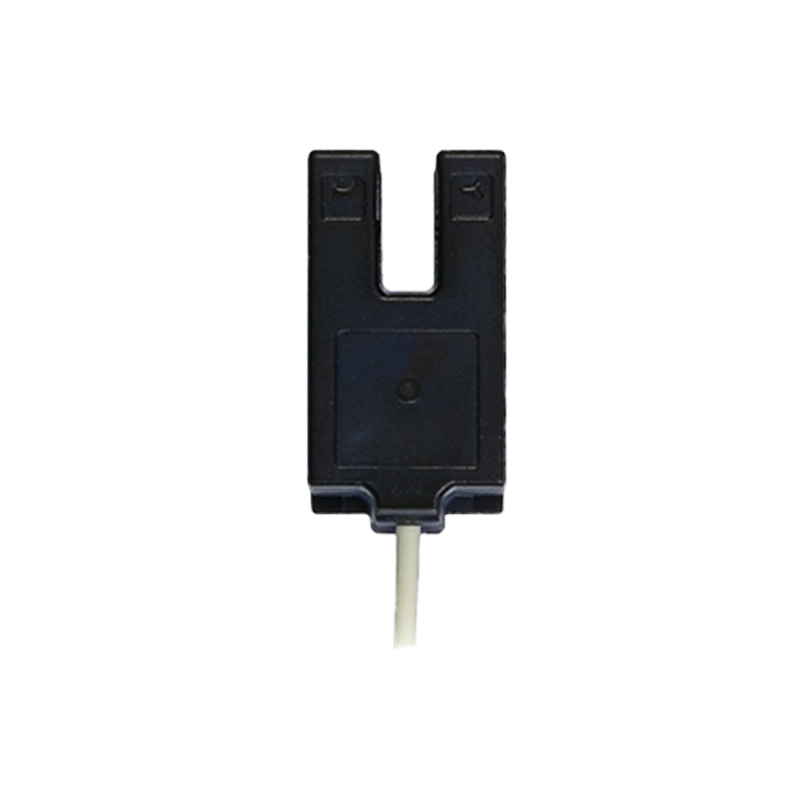
Photoelectric sensor blow-off cleaning accessories are engineered systems designed to deliver controlled bursts of clean, dry air (or sometimes inert gas) directly onto the sensor's lens. The core principle is preventive maintenance through non-contact cleaning. A typical system comprises several key components: a source of compressed air, a filter-regulator-lubricator (FRL) unit to clean and condition the air, a solenoid valve for precise control, and a nozzle or air knife assembly directed at the sensor. The FRL unit is critical, ensuring the cleaning medium itself is free of oil, water, and particles that could further soil the lens. The nozzle design is optimized to create a focused, high-velocity air stream or a broader curtain of air, effectively dislodging contaminants without physical contact. These systems can be integrated directly into the sensor's mounting bracket or installed as independent units adjacent to the sensor.
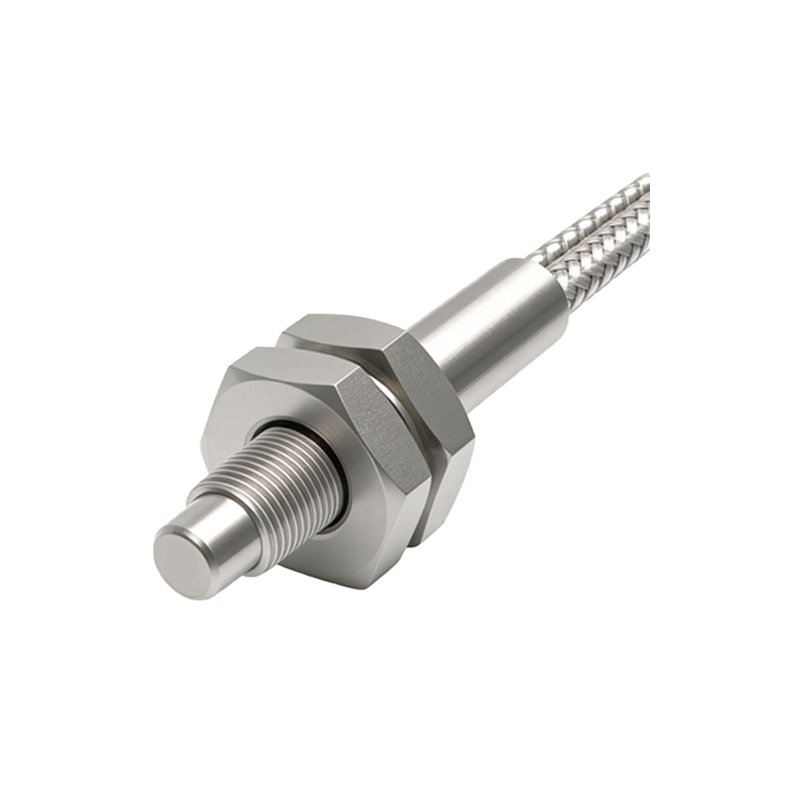
Integration and Control Strategies
Effective integration of blow-off cleaning systems into an automation control scheme is vital for optimal performance and efficiency. The cleaning cycle is typically managed by the plant's Programmable Logic Controller (PLC). Control strategies vary based on application needs. A common method is time-based intermittent blowing, where short, powerful air bursts are triggered at fixed intervals (e.g., every few minutes or hours). For more efficient operation, especially in processes with variable contamination rates, event-based triggering is employed. Here, the cleaning cycle is initiated by a specific event, such as the start of a production batch, a machine cycle completion, or even a signal from the sensor itself indicating a drop in received light intensity. This on-demand approach conserves compressed air and reduces wear. The solenoid valve's response time and the duration of the air blast (often between 100-500 milliseconds) are finely tuned to be effective yet minimally disruptive to the sensing process.
Key Benefits for Industrial Applications
The implementation of dedicated blow-off cleaning accessories delivers substantial, measurable benefits. The foremost advantage is dramatically enhanced operational reliability and uptime. By preventing contaminant buildup, sensors maintain their original sensing range and accuracy, drastically reducing false positives and negatives. This leads to improved product quality and process consistency. Secondly, it extends the sensor's service life by mitigating the abrasive and corrosive effects of accumulated grime on lens coatings and housings. From a maintenance perspective, it eliminates the need for hazardous manual cleaning in hard-to-reach or dangerous locations, enhancing worker safety. Furthermore, by automating a routine maintenance task, it lowers long-term labor costs and allows maintenance personnel to focus on higher-value activities. The return on investment is often realized quickly through avoided production stoppages.
Selection Criteria and Installation Best Practices
Selecting the appropriate blow-off system requires careful consideration of several factors. The operating environment is paramount: for explosive atmospheres (ATEX/IECEx zones), pneumatically operated valves and certified components are mandatory. The type of contaminant dictates the required air pressure and nozzle type; sticky residues may need higher pressure or specialized nozzle patterns. Compatibility with the existing plant air supply pressure (typically 4-7 bar) and consumption rate must be calculated to avoid overloading the compressor network. During installation, precise nozzle alignment is crucial to ensure the air stream fully covers the lens without causing vibration or misalignment of the sensor itself. Using flexible tubing with proper supports prevents stress on connections. It is also essential to install a dedicated shut-off valve and pressure gauge for easy maintenance and troubleshooting of the cleaning circuit independently from the main process.
Future Trends and Advanced Solutions
The evolution of blow-off cleaning technology is aligning with broader trends in Industry 4.0 and smart manufacturing. Future systems are becoming more intelligent and connected. We are seeing the integration of self-monitoring features where the cleaning system can report parameters like air pressure, valve actuation count, and filter condition to a central maintenance dashboard. Predictive maintenance algorithms can analyze this data, coupled with the sensor's performance metrics, to predict the optimal cleaning interval or alert personnel to a clogged filter before performance degrades. Furthermore, development is ongoing in ultra-low consumption nozzles that use vortex or air-amplification technology to maximize cleaning force while minimizing compressed air usage, contributing to overall plant energy efficiency. The convergence of precise pneumatics with digital intelligence is setting a new standard for maintenance-free sensor operation in the smart factory.