Introduction to Photoelectric Sensing Technology
Photoelectric sensors are pivotal components in modern industrial automation, leveraging light to detect the presence, absence, or distance of objects. Nanshan photoelectric sensors, renowned for their precision and reliability, operate on fundamental optical principles. These devices typically consist of an emitter, which projects a light beam—often infrared, visible, or laser—and a receiver that captures the reflected or transmitted light. By analyzing changes in light intensity, these sensors can accurately identify objects, even in challenging environments with dust, moisture, or varying temperatures. The core advantage lies in their non-contact operation, minimizing wear and enabling high-speed detection across diverse applications, from manufacturing lines to packaging systems.
Working Principles of Nanshan Photoelectric Sensors
Nanshan photoelectric sensors primarily utilize three detection methods: through-beam, retro-reflective, and diffuse reflective. In through-beam sensors, the emitter and receiver are separate units; an object is detected when it interrupts the light beam between them, offering long-range and high-accuracy sensing. Retro-reflective sensors combine the emitter and receiver in one housing, using a reflector to bounce light back; detection occurs when an object blocks this reflected beam, making them ideal for medium-range applications. Diffuse reflective sensors, also housed together, rely on light reflecting directly off the target object, suitable for short-range detection where reflectivity varies. Advanced models incorporate background suppression or foreground suppression techniques to ignore distant or close interferences, enhancing precision in complex setups.
Key Components and Design Features
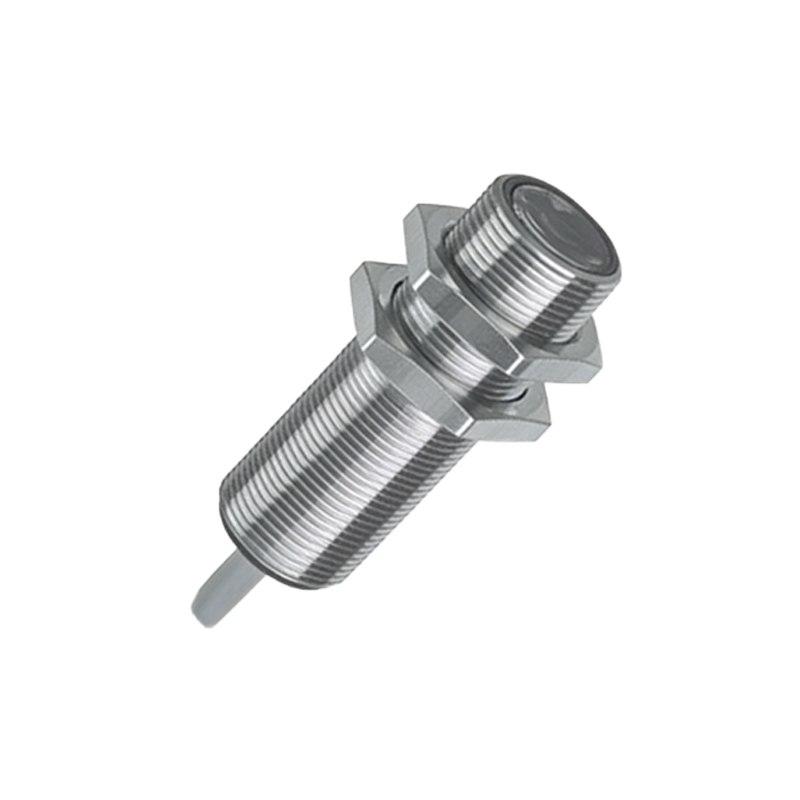
The efficacy of Nanshan photoelectric sensors stems from their robust design and high-quality components. Emitters often employ LEDs or laser diodes for consistent light output, with wavelengths selected based on application needs—infrared for reduced ambient light interference, visible for easy alignment. Receivers use phototransistors or photodiodes to convert light signals into electrical outputs, integrated with amplifiers for signal processing. Housing is typically made from durable materials like stainless steel or engineered plastics, ensuring resistance to shocks, vibrations, and harsh chemicals. Many Nanshan sensors feature adjustable sensitivity, time delays, and output modes (e.g., NPN/PNP), allowing customization for specific industrial tasks. Additionally, built-in diagnostics, such as stability indicators or teach-in functions, simplify installation and maintenance.
Applications in Industrial Automation
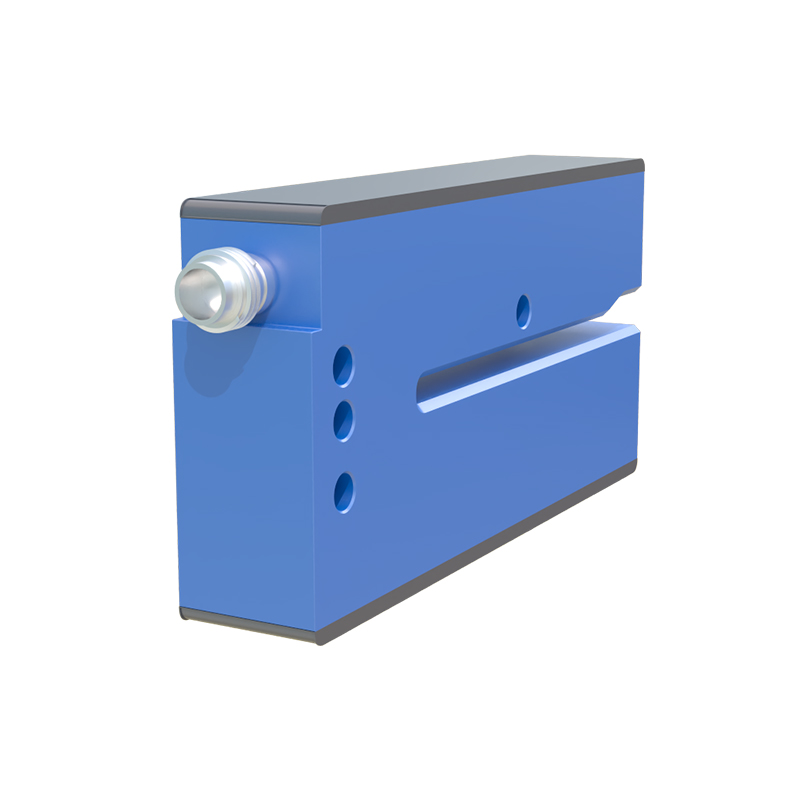
In industrial settings, Nanshan photoelectric sensors are indispensable for enhancing efficiency and safety. They are widely used in object detection on conveyor belts, counting items in production lines, and monitoring fill levels in containers. For example, in automotive manufacturing, these sensors ensure precise positioning of parts during assembly, while in food processing, they detect packaging seals or label placements. Their ability to operate in extreme conditions—like high temperatures in metalworking or humid environments in pharmaceuticals—makes them versatile. Integration with PLCs (Programmable Logic Controllers) and IoT systems enables real-time data collection, supporting predictive maintenance and smart factory initiatives. Case studies show that deploying Nanshan sensors can reduce downtime by up to 30% in automated systems.
Advantages Over Other Sensor Types
Compared to inductive or capacitive sensors, Nanshan photoelectric sensors offer distinct benefits. They can detect a broader range of materials, including non-metallic objects like glass, plastic, or liquids, which inductive sensors may miss. Their non-contact nature eliminates mechanical wear, leading to longer lifespans and lower maintenance costs. With fast response times—often in microseconds—they suit high-speed applications, such as sorting machines or robotics. Moreover, their adjustable sensing ranges and immunity to electrical noise enhance reliability in dense industrial environments. However, challenges like ambient light interference or dirty lenses can affect performance; regular cleaning and proper shielding mitigate these issues, ensuring optimal operation.
Future Trends and Innovations
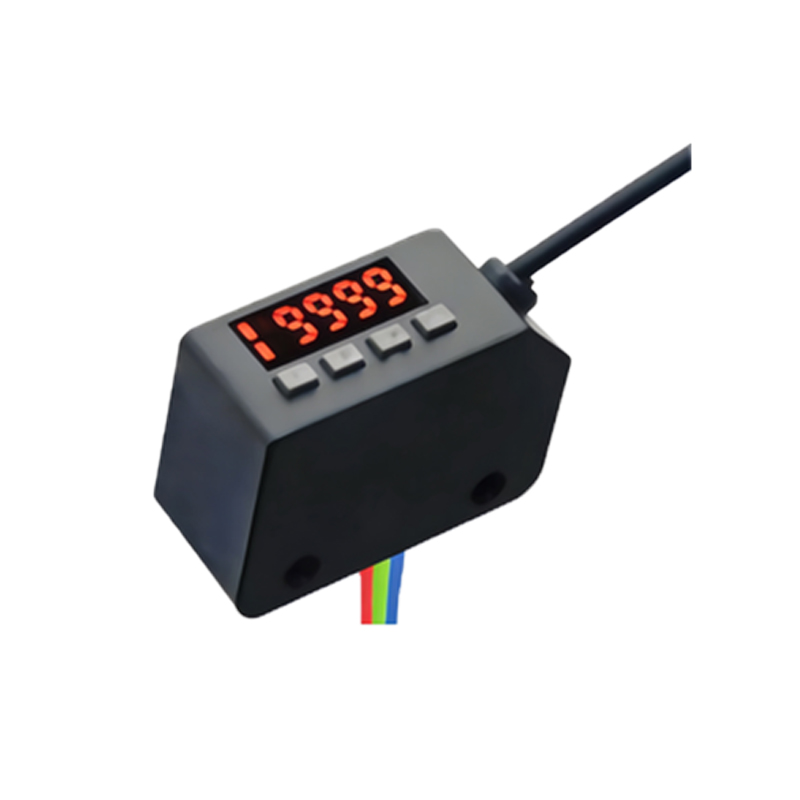
The future of Nanshan photoelectric sensors is shaped by advancements in miniaturization, connectivity, and intelligence. Emerging trends include the development of IO-Link compatible sensors for seamless digital communication, enabling remote configuration and data analytics. Enhanced algorithms for background discrimination allow sensors to distinguish between similar objects, improving accuracy in complex tasks. Energy-efficient designs with lower power consumption align with sustainability goals, while ruggedized versions for harsh environments expand application scopes. As Industry 4.0 evolves, these sensors will play a crucial role in autonomous systems, integrating with AI for adaptive sensing. Nanshan continues to innovate, focusing on user-friendly interfaces and eco-friendly materials to meet global industrial demands.