Introduction to Photoelectric Sensing Technology
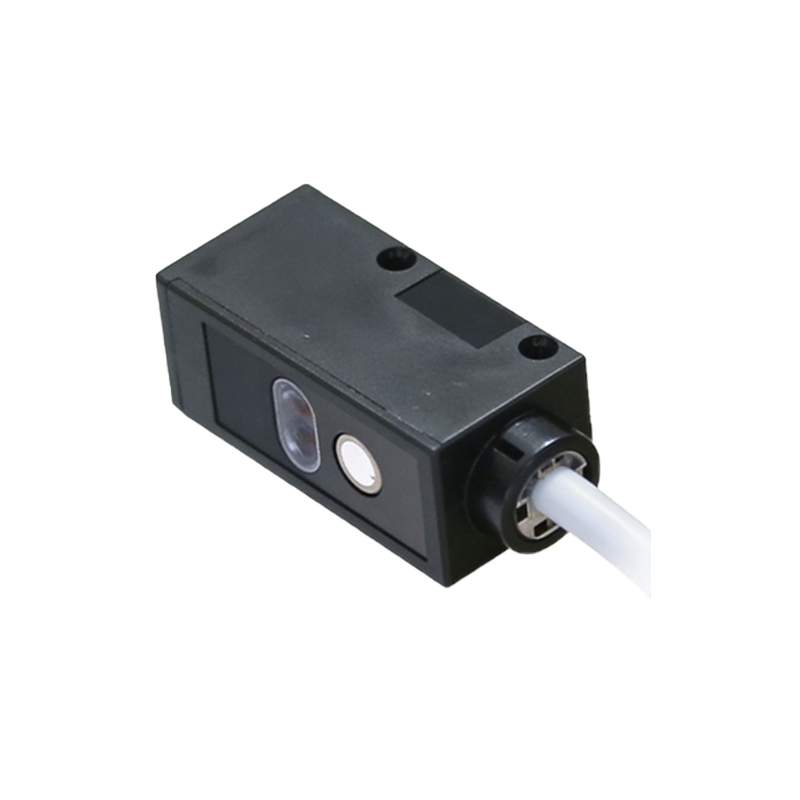
Photoelectric sensors have long been the unsung heroes of industrial automation. These devices, which use a light emitter and receiver to detect the presence, absence, or distance of an object, form a critical layer of perception in countless manufacturing and logistics environments. Their fundamental principle is elegantly simple: an emitted light beam—visible red, infrared, or laser—is either broken or reflected by a target, and the change is registered by the receiver. This basic functionality has evolved into a sophisticated family of sensors including through-beam, retro-reflective, diffuse, and background suppression types, each tailored for specific applications. Their reliability, non-contact nature, and fast response times have made them indispensable for tasks ranging from simple object counting on a conveyor to precise positioning in robotic assembly cells. As we stand on the brink of Industry 4.0 and the broader adoption of smart factory concepts, the role of photoelectric sensors is not just persisting but expanding and transforming in profound ways.
Key Technological Advancements Driving Growth
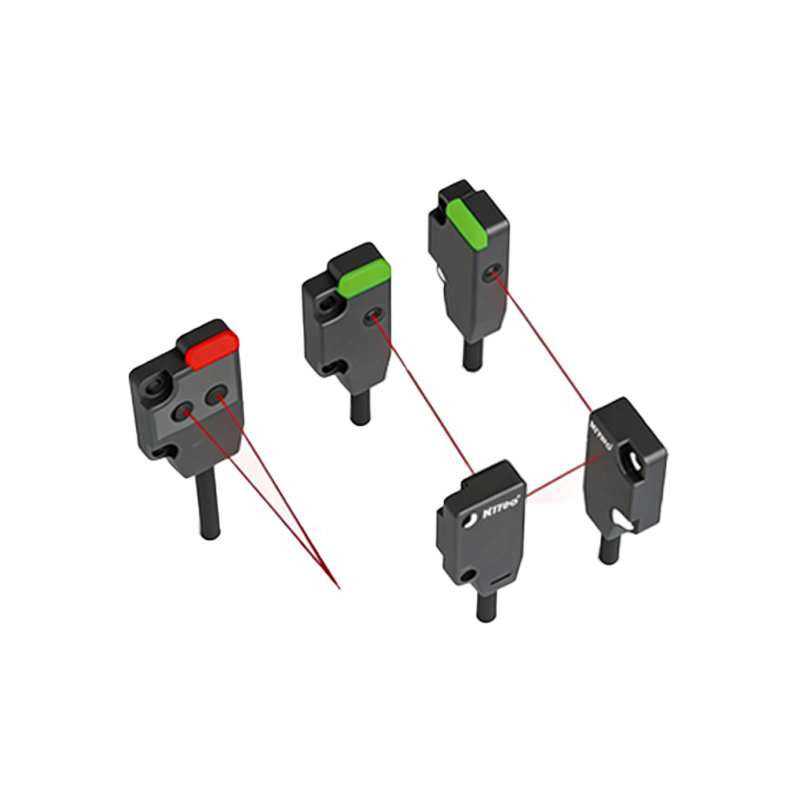
The future of industrial photoelectric sensors is being shaped by several convergent technological trends. First is the miniaturization of components, allowing for smaller sensor housings that can be installed in space-constrained machinery without sacrificing performance. Second, and perhaps most significant, is the integration of advanced optics and digital signal processing. Modern sensors can now differentiate between target objects and ambient light interference with remarkable accuracy, thanks to sophisticated algorithms running on embedded microprocessors. The advent of high-precision laser sensors has opened new frontiers in minute object detection and exact distance measurement. Furthermore, the incorporation of IO-Link, a point-to-point serial communication protocol, is a game-changer. It transforms traditional binary sensors into intelligent devices capable of transmitting rich parametric data—such as signal strength, operating temperature, and device health—to a central control system, enabling predictive maintenance and detailed process analytics.
Integration with Industrial IoT and Industry 4.0
The true potential of next-generation photoelectric sensors is unlocked through their seamless integration into the Industrial Internet of Things (IIoT) ecosystem. No longer isolated data points, these sensors are becoming intelligent nodes in a vast network. By embedding communication chips that support protocols like Ethernet/IP, PROFINET, or OPC UA, sensors can communicate directly with higher-level systems such as Manufacturing Execution Systems (MES) or cloud platforms. This connectivity allows for real-time monitoring of production lines from anywhere in the world. For instance, a sensor detecting bottle caps on a filling line can now stream data not only to stop the line if a cap is missing but also to aggregate throughput statistics, identify wear patterns, and automatically order its own replacement part before a failure occurs. This shift from simple detection to providing contextual, actionable data is central to the concept of the smart, self-optimizing factory.
Emerging Applications in New Industries
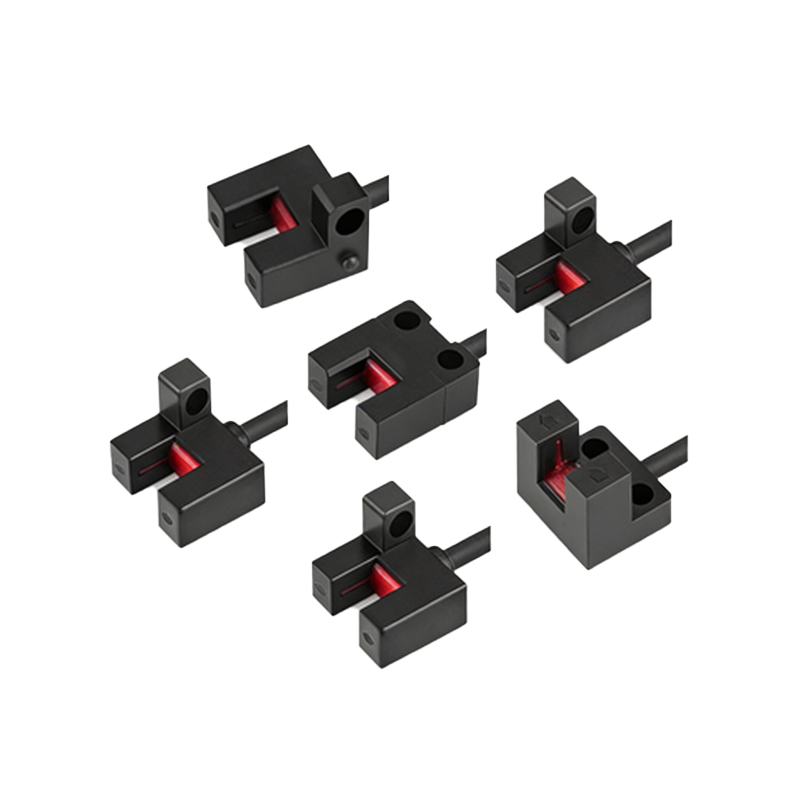
While traditional strongholds like automotive and packaging continue to rely heavily on photoelectric sensors, new and demanding applications are emerging. In the rapidly growing field of lithium-ion battery manufacturing, for example, ultra-clean environments and extreme precision are required. Specialized photoelectric sensors with stainless-steel housings and cleanroom-compatible designs are used to handle and position delicate electrode foils and separators. Similarly, in the e-commerce and logistics sector, the explosion of automated warehouses and fulfillment centers demands sensors that can reliably detect a vast array of package sizes, shapes, and materials under high-speed sorting conditions. Furthermore, the agricultural and food processing industries are adopting sensors with specific wavelengths to sort produce by color or detect foreign materials, ensuring quality and safety. Each new application pushes the boundaries of sensing technology, requiring enhanced resistance to environmental factors like dust, moisture, and temperature extremes.
Challenges and Future Development Vectors
Despite the optimistic outlook, the path forward is not without challenges. The increasing complexity of sensors raises concerns about cybersecurity, as each connected device represents a potential network vulnerability. Manufacturers must prioritize robust security features from the chip level upward. Another challenge is the handling of the massive data streams generated by networked sensors, necessitating better edge computing capabilities to pre-process data locally. Looking ahead, the future development of industrial photoelectric sensors will focus on several key vectors. Artificial Intelligence and machine learning will be integrated at the sensor edge, enabling devices to "learn" what a normal signal looks like and identify anomalies autonomously. We will also see greater fusion of sensing technologies, where photoelectric, vision, and proximity sensing capabilities are combined into a single, multi-functional unit. Finally, the drive for sustainability will lead to sensors with lower power consumption, longer lifespans, and designs that facilitate easier recycling.
Conclusion: An Integral Part of the Automated Future
In conclusion, the future of industrial photoelectric sensors is one of intelligent connectivity and expanded capability. They are evolving from simple switches into sophisticated data sources that provide the essential perception layer for digital twins, autonomous mobile robots, and flexible production systems. Their continued innovation is critical for achieving the goals of increased productivity, enhanced quality control, and unprecedented operational efficiency promised by Industry 4.0. For engineers and plant managers, staying abreast of these developments is not optional; it is essential for maintaining competitive advantage. The humble photoelectric sensor, a staple of factory floors for decades, is poised to become one of the most dynamic and intelligent components in the smart factories of tomorrow.