Introduction to Slot Type Photoelectric Sensors
A slot type photoelectric sensor, often referred to as a through-beam sensor, is a self-contained unit where the emitter and receiver face each other across a small gap or "slot" within a single housing. This design creates a precise optical gate. The core function is straightforward: when an object passes through the slot, it interrupts the light beam, triggering a change in the sensor's output signal. The housing of this sensor is not merely a protective shell; it is a critical component that defines the sensor's performance, durability, and suitability for specific industrial environments. It integrates the optical components, ensures proper alignment, and provides the necessary mechanical and environmental protection.
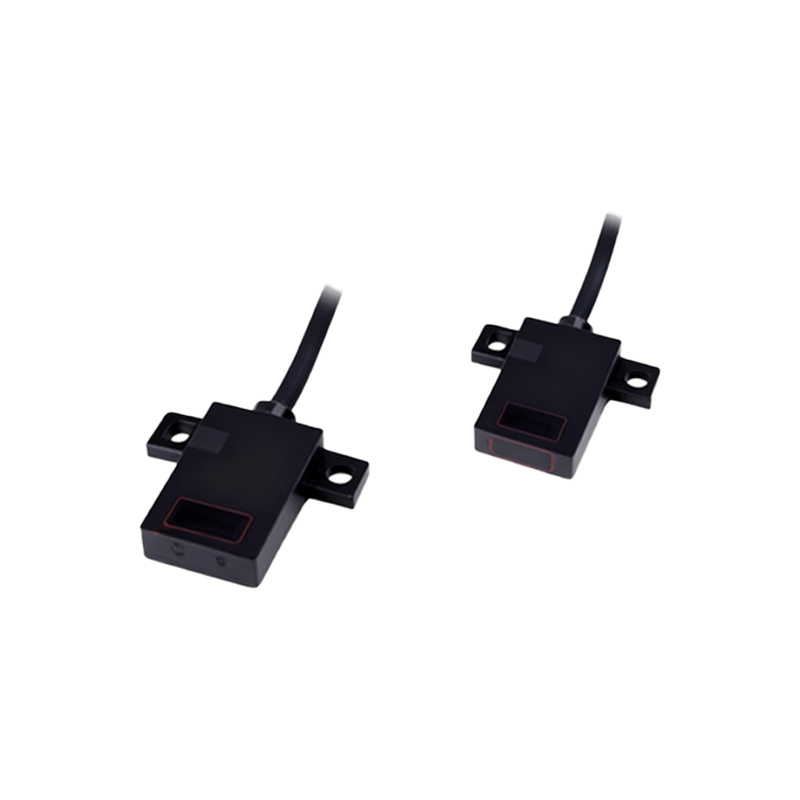
Key Functions of the Sensor Housing
The housing performs several vital roles beyond simple enclosure. Primarily, it guarantees the permanent and precise alignment of the emitter and receiver lenses. Any misalignment, even microscopic, can lead to unreliable operation or complete failure. Secondly, it shields the sensitive electronic and optical components from physical damage, such as impacts, abrasion, or excessive vibration common on production lines. Furthermore, the housing is the first line of defense against environmental contaminants like dust, oil, coolant mist, and moisture. A well-sealed housing prevents these contaminants from obscuring the lenses or corroding internal circuitry, ensuring long-term reliability and reducing maintenance needs.
Common Housing Materials and Their Properties
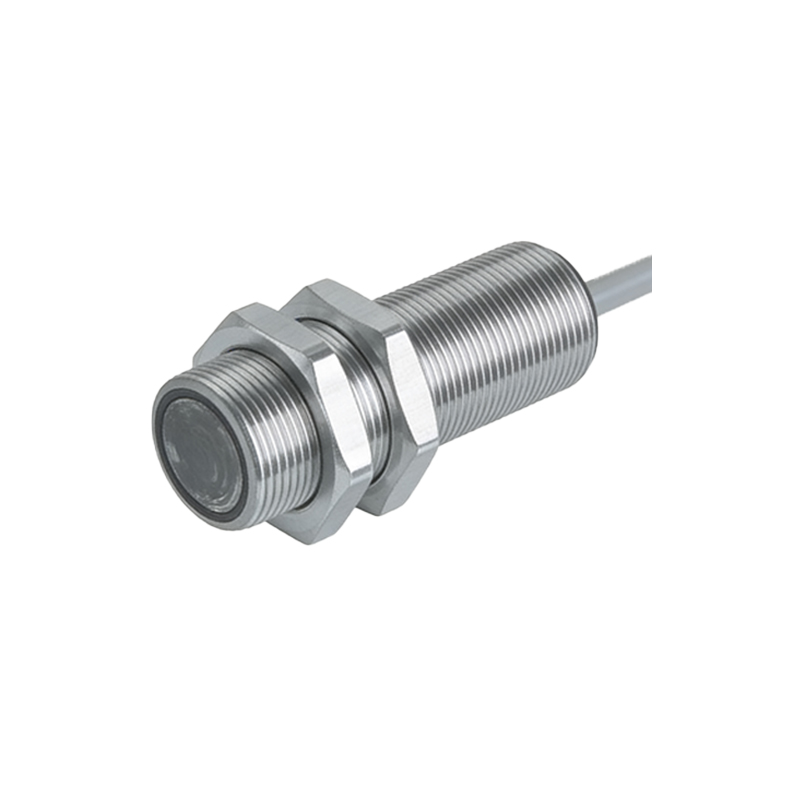
The choice of material for a slot sensor housing is dictated by the application's demands. Engineering plastics, such as polycarbonate (PC), polybutylene terephthalate (PBT), or acrylonitrile butadiene styrene (ABS), are prevalent for general-purpose use. These materials offer a good balance of strength, impact resistance, and cost-effectiveness. They can also be formulated to provide resistance to various chemicals. For more demanding environments, especially those involving high temperatures, exposure to aggressive chemicals, or requiring frequent washdowns, housings made from stainless steel (often grades 304 or 316) or anodized aluminum are preferred. These metallic housings provide superior mechanical robustness, excellent temperature tolerance, and high resistance to corrosion and chemical attack.
Design Features for Enhanced Performance
Modern slot sensor housings incorporate several design features to optimize functionality. The slot's interior is often designed to be funnel-shaped or tapered to guide objects smoothly and prevent jamming. The interior surfaces are typically matte black or a dark color to absorb stray light, minimizing the risk of false triggers from ambient light or reflections—a feature known as anti-glare design. Many housings include integrated mounting holes or brackets for easy and secure installation on machinery. Some advanced designs feature grooves or channels for cable management, keeping the installation tidy and protecting the connecting cable from strain. The ingress protection (IP) rating, such as IP67 or IP69K, is a crucial specification that quantifies the housing's effectiveness against solid particles and liquids.
Application-Specific Housing Considerations
The application dictates specific housing requirements. In the food and beverage or pharmaceutical industries, sensors must withstand frequent high-pressure, high-temperature washdowns with caustic cleaning agents. Here, housings with a high IP69K rating, made from FDA-compliant stainless steel or specific plastics, are mandatory. In automated packaging machinery, where sensors detect small tabs, labels, or edges of materials at high speeds, housings with extremely narrow slots and high-precision optics are critical. For electronics assembly, static-sensitive environments may require housings made from static-dissipative materials. In lumber or metal processing, extremely rugged housings are needed to withstand impacts from wood chips or metal shavings.
Installation and Maintenance Best Practices
Proper installation is key to leveraging the housing's protective features. The sensor should be mounted securely to minimize vibration. Care must be taken not to overtighten mounting screws, which could warp the housing and affect the internal alignment. The slot must be kept clean and free of obstructions; accumulated debris can cause false signals. For maintenance, regular inspection of the housing for cracks, chips, or corrosion is advised. Lenses should be cleaned with a soft, lint-free cloth and an appropriate solvent if necessary, following the manufacturer's guidelines to avoid damaging optical coatings. Ensuring that cable glands or connectors are properly sealed is also part of routine housing maintenance.
Future Trends in Housing Technology
The evolution of slot sensor housings continues alongside industrial automation trends. There is a growing demand for miniaturization, allowing sensors to fit into increasingly compact machinery. The use of advanced composite materials that offer metal-like durability at a lower weight and cost is on the rise. Smart manufacturing is also driving integration; future housings may incorporate more connectivity features or even status indicator lights directly into their design for easier integration into Industry 4.0 networks. Furthermore, additive manufacturing (3D printing) may enable more complex, customized housing geometries for niche applications that are not economical with traditional molding or machining processes.