Introduction to Photoelectric Sensors
Photoelectric sensors are pivotal components in modern industrial automation, utilizing light beams to detect the presence, absence, or distance of objects. These devices operate by emitting a light source—typically infrared, visible, or laser—and measuring the reflected or interrupted light to trigger an output signal. Common types include through-beam, retro-reflective, and diffuse reflective sensors, each suited for specific environmental conditions and detection ranges. Their applications span across manufacturing lines, packaging systems, and safety mechanisms, offering high precision and reliability in diverse operational settings. Understanding the fundamental principles is essential for selecting the appropriate sensor type in engineering projects.
Key Terminology and Definitions
In the realm of photoelectric sensors, mastering key English terms is crucial for technical documentation and international collaboration. "Light Emitter" refers to the component that generates the light beam, often an LED or laser diode. "Receiver" denotes the element that captures the reflected or transmitted light, converting it into an electrical signal. "Sensing Distance" indicates the maximum range at which the sensor can reliably detect an object, while "Response Time" measures the delay between detection and output activation. Other vital terms include "Ambient Light Immunity," which describes resistance to external light interference, and "Modulated Light," a technique to enhance signal stability by pulsing the light source at a specific frequency.
Common English Expressions in Specifications
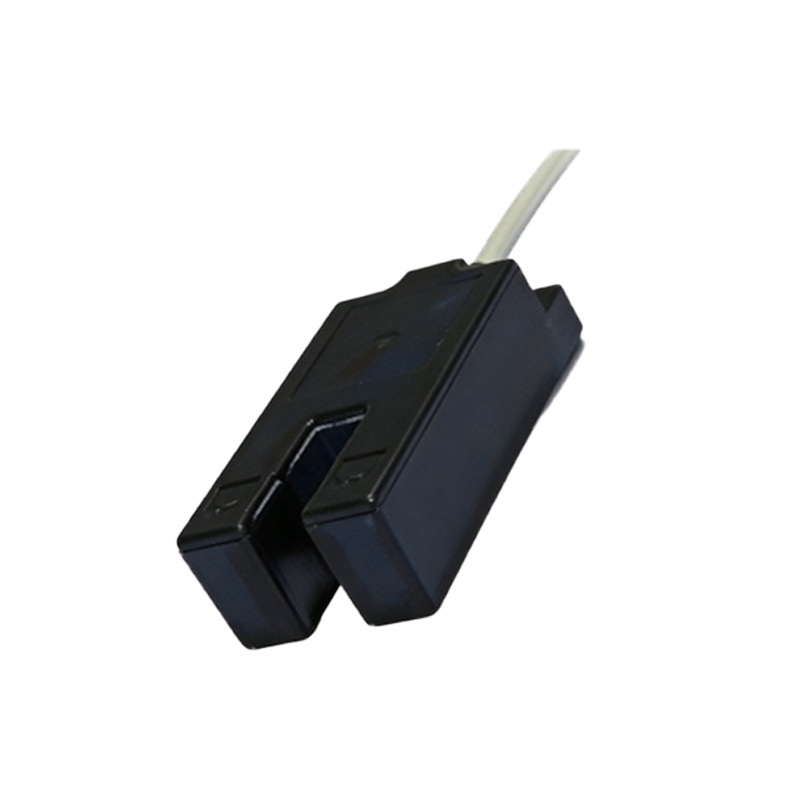
When reviewing datasheets or design manuals, engineers encounter standardized English expressions. For instance, "NPN output" and "PNP output" specify the transistor types used for switching loads, with NPN commonly sinking current and PNP sourcing it. "NO (Normally Open)" and "NC (Normally Closed)" describe the contact configurations of the output relay or transistor. Phrases like "IP67 rated" highlight the sensor's ingress protection against dust and water, ensuring durability in harsh environments. Additionally, "Adjustable Sensitivity" allows fine-tuning of detection thresholds, and "Teach-in Function" enables easy configuration by pressing a button to set parameters based on actual conditions.
Application-Specific Language in Industry
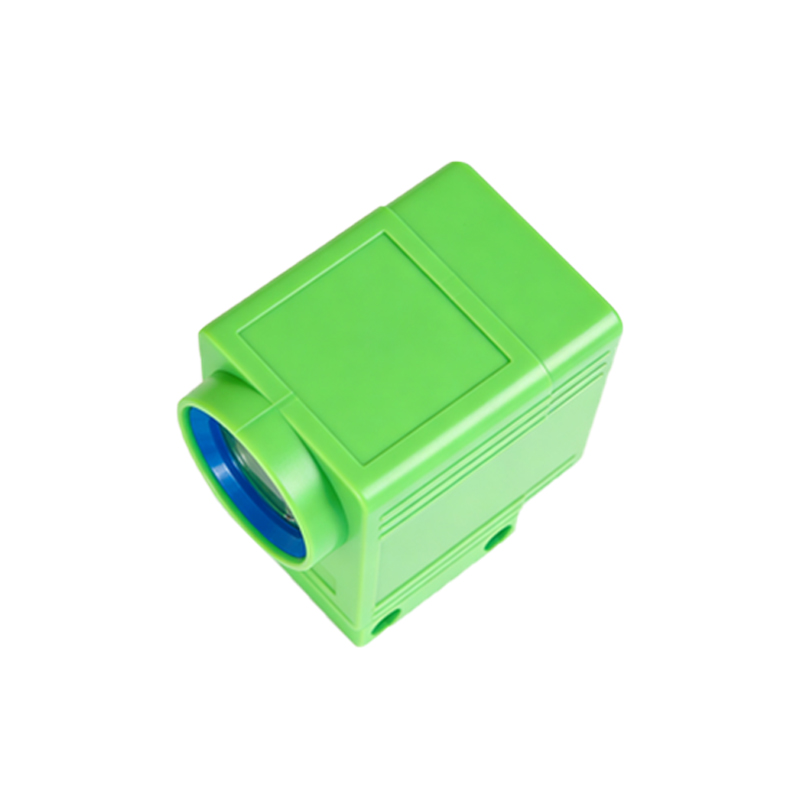
In practical industrial scenarios, photoelectric sensors are described using context-driven language. For example, in conveyor belt systems, terms such as "Object Counting" and "Jam Detection" are prevalent, where sensors monitor item flow and identify blockages. In automated packaging, "Fill Level Control" uses sensors to ensure containers are properly filled, while "Label Verification" checks for correct label placement. Safety applications often involve "Light Curtains" or "Safety Barriers," which create invisible protective zones to halt machinery when breached. Engineers might also refer to "Background Suppression" for sensors that ignore distant objects, focusing only on targets within a defined range.
Installation and Calibration Phrases
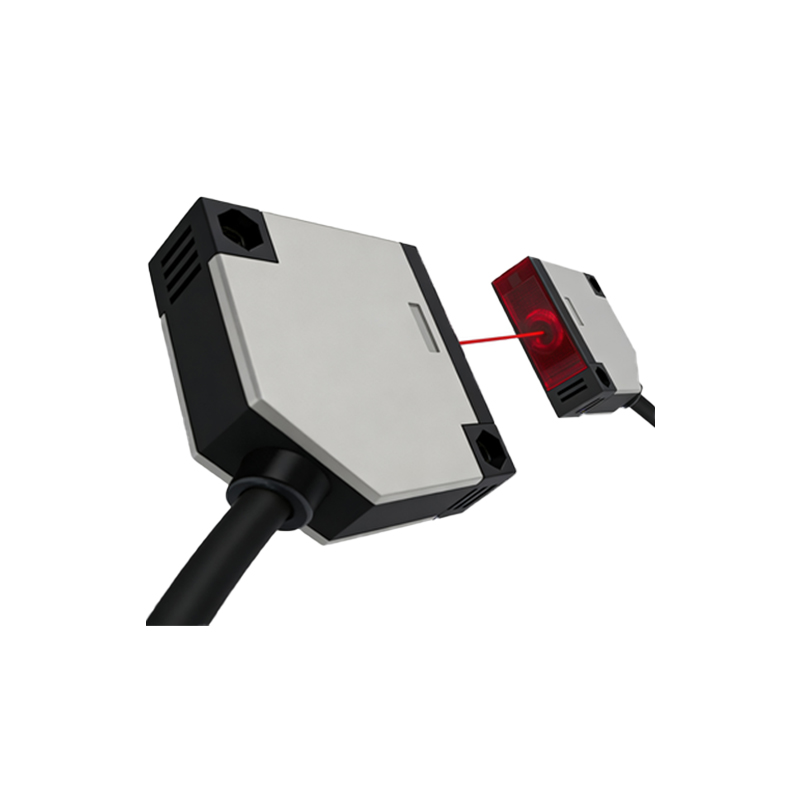
Proper installation and calibration are critical for optimal sensor performance, and English phrases guide these processes. "Alignment Procedure" involves adjusting the emitter and receiver to ensure accurate beam targeting, often aided by alignment indicators or audible signals. "Mounting Bracket" refers to the hardware used to secure the sensor in place, with options for fixed or adjustable positions. During calibration, engineers might use "Threshold Setting" to define the detection limit, or "Hysteresis Adjustment" to prevent output chatter near the sensing edge. Troubleshooting terms include "False Triggering," indicating unintended activations, and "Signal Attenuation," which refers to weakened light intensity due to obstructions or dirt.
Advancements and Future Trends
The evolution of photoelectric sensors introduces new terminology related to technological innovations. "IO-Link Communication" enables smart sensors to transmit detailed diagnostic data and configuration settings digitally, enhancing Industry 4.0 integration. "Multi-Dimensional Sensing" describes sensors capable of detecting not only presence but also color, contrast, or distance simultaneously. Emerging terms like "AI-Enhanced Detection" refer to algorithms that improve accuracy by learning from environmental patterns, while "Energy-Efficient Models" highlight designs that reduce power consumption for sustainable operations. As industries adopt more automated solutions, familiarity with these expressions becomes essential for staying current with global standards.
Conclusion and Best Practices
To effectively utilize photoelectric sensors in engineering projects, a firm grasp of English terminology and expressions is indispensable. Engineers should regularly consult international standards, such as IEC 60947-5-2, which define performance criteria and testing methods. Engaging with technical forums and manufacturer documentation in English can provide insights into real-world applications and troubleshooting tips. By incorporating precise language into specifications and reports, professionals ensure clear communication and reduce errors in multinational teams. Ultimately, continuous learning and adaptation to new terms will drive innovation and efficiency in the ever-evolving field of industrial automation.