Introduction to Photoelectric Sensors
Photoelectric sensors are widely used in industrial automation for detecting the presence, absence, or position of objects without physical contact. These sensors operate by emitting a light beam, typically from an LED or laser diode, and detecting changes in the received light caused by the target object. The core principle involves the interaction of light with the object, which can reflect, absorb, or interrupt the beam, triggering an electrical output signal. This non-contact method ensures minimal wear and tear, making photoelectric sensors ideal for high-speed applications and harsh environments where durability is crucial. They are essential in manufacturing, packaging, material handling, and safety systems, offering versatility across various industries. Understanding the different types and their specific characteristics helps in selecting the right sensor for optimal performance and reliability in diverse operational settings.
Through-Beam Sensors
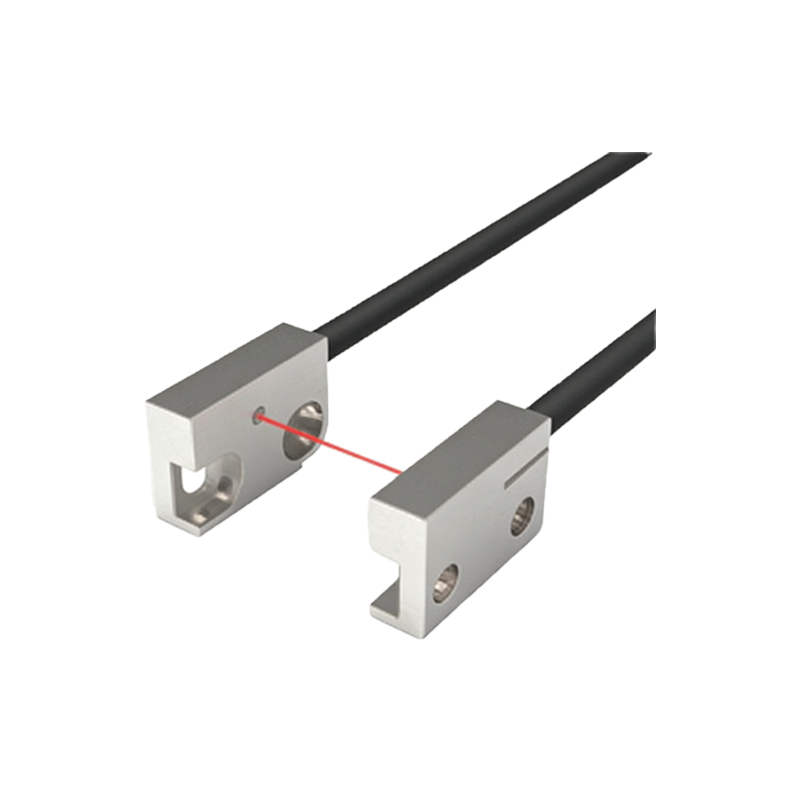
Through-beam sensors, also known as opposed-mode sensors, consist of two separate units: a transmitter and a receiver placed opposite each other. The transmitter emits a continuous light beam directly to the receiver. When an object passes between them, it interrupts the beam, causing the receiver to detect a drop in light intensity and send a signal. This type offers the longest sensing range among photoelectric sensors, often exceeding 100 meters, and provides high accuracy and reliability due to the strong, direct beam. It is less affected by environmental factors like dust or color variations of the target. However, through-beam sensors require precise alignment during installation and maintenance, which can be time-consuming. They also need two mounting points, increasing complexity and cost in some setups. Common applications include object detection on conveyor belts, safety curtains, and high-speed counting systems.
Retroreflective Sensors
Retroreflective sensors combine the transmitter and receiver in a single housing, using a reflector (such as a prism or tape) to bounce the light beam back. The sensor detects an object when it blocks the reflected beam, reducing the light received. This design simplifies installation compared to through-beam sensors, as it only requires one mounting point and the reflector. Sensing ranges are moderate, typically up to 10-20 meters, making them suitable for mid-range applications. Retroreflective sensors are cost-effective and easier to align, but they can be prone to false triggers from shiny or reflective objects that might mimic the reflector's response. They may also struggle in dirty environments where the reflector gets obscured. These sensors are often used in packaging, door control, and presence detection in automated systems.
Diffuse Reflective Sensors
Diffuse reflective sensors, or proximity-mode sensors, integrate the transmitter and receiver in one unit and detect objects by measuring the light reflected directly off the target's surface. When an object enters the sensing field, it scatters the emitted light, and the receiver picks up the reflection to trigger an output. This type is highly versatile and easy to install, as it doesn't require a separate reflector or receiver, allowing for compact designs. Sensing ranges are shorter, usually under 2 meters, and performance can vary based on the object's color, texture, and reflectivity—darker surfaces absorb more light, reducing range. Diffuse sensors are sensitive to environmental conditions like background interference or ambient light, which may cause inaccuracies. They are commonly employed in object detection, level sensing, and robotics for tasks requiring close-range monitoring.
Background Suppression Sensors
Background suppression sensors are a specialized subtype of diffuse reflective sensors that use triangulation or focused optics to ignore reflections from distant backgrounds, detecting only objects within a precise range. By setting a cutoff distance, they can distinguish between the target and background surfaces, improving accuracy in complex environments. This makes them ideal for applications where objects need to be detected against varying backgrounds or in cluttered spaces. They offer consistent performance regardless of color or material, but they tend to have shorter sensing ranges and higher costs compared to standard diffuse sensors. Background suppression sensors are valuable in assembly lines, sorting systems, and quality control where precise positioning is critical.
Advantages of Photoelectric Sensors
Photoelectric sensors provide numerous benefits in industrial settings. Their non-contact operation eliminates mechanical wear, ensuring long service life and reducing maintenance needs. They offer fast response times, enabling high-speed detection suitable for rapid production lines. With sensing ranges from millimeters to over 100 meters, they accommodate diverse applications. Many models are resistant to environmental challenges like vibration, moisture, and temperature extremes, enhancing durability. They can detect various materials, including metals, plastics, and liquids, regardless of color or transparency in some types. Additionally, modern sensors feature adjustable sensitivity and advanced functions like teach-in modes for easy setup. These advantages contribute to improved efficiency, safety, and automation in industries from automotive to food processing.
Disadvantages of Photoelectric Sensors
Despite their strengths, photoelectric sensors have limitations that must be considered. Performance can be affected by environmental factors such as dust, fog, or strong ambient light, which may interfere with the light beam and cause false readings. Certain types, like diffuse sensors, are sensitive to object properties like color and surface finish, leading to inconsistent detection. Through-beam and retroreflective sensors require careful alignment, increasing installation time and potential for misalignment due to vibrations. They may also struggle with transparent or highly reflective objects, necessitating specialized models. Cost can be higher compared to other sensor types like inductive or capacitive sensors, especially for long-range or high-precision variants. Regular cleaning and calibration are often needed to maintain accuracy in dirty conditions.
Selection Criteria for Applications
Choosing the right photoelectric sensor involves evaluating several factors to match the application's requirements. Consider the sensing range needed—through-beam for long distances, diffuse for short-range. Assess environmental conditions: opt for sealed models in dusty or wet areas, and use sensors with modulated light to combat ambient interference. Object characteristics matter; for example, background suppression sensors handle varied surfaces well, while through-beam is better for transparent items. Installation constraints, such as space and alignment ease, may favor retroreflective or diffuse types. Response speed and output type (e.g., digital or analog) should align with system demands. Budget and maintenance capabilities also play a role, as some sensors offer lower upfront costs but higher long-term upkeep. Consulting manufacturer guidelines and testing in real conditions can ensure optimal selection.
Conclusion and Future Trends
Photoelectric sensors remain a cornerstone of industrial automation, offering reliable non-contact detection across many scenarios. By understanding the types—through-beam, retroreflective, diffuse reflective, and background suppression—along with their pros and cons, engineers can make informed decisions to enhance system performance. As technology advances, trends include miniaturization for compact devices, integration with IoT for smart monitoring, and improved resistance to harsh environments. Innovations in laser and LED sources may extend ranges and accuracy, while AI-enhanced sensors could adapt dynamically to changing conditions. Embracing these developments will further solidify the role of photoelectric sensors in driving efficiency and innovation in modern industries.