Introduction to Swiss Precision in Sensor Technology
Switzerland has long been synonymous with precision engineering, a reputation forged in the watchmaking industry and now a cornerstone of its advanced manufacturing sector. This legacy of meticulous craftsmanship and relentless innovation extends powerfully into the field of industrial automation, particularly in photoelectric sensors. Swiss photoelectric sensor brands are not merely components; they are highly refined instruments designed to deliver unparalleled accuracy, reliability, and durability in the most demanding industrial environments. From pharmaceutical clean rooms to high-speed packaging lines and harsh outdoor applications, these sensors set the global benchmark. The Swiss approach integrates deep material science expertise, sophisticated optical design, and robust electronic engineering to create solutions that excel where others may falter, ensuring process integrity and maximizing operational uptime for industries worldwide.
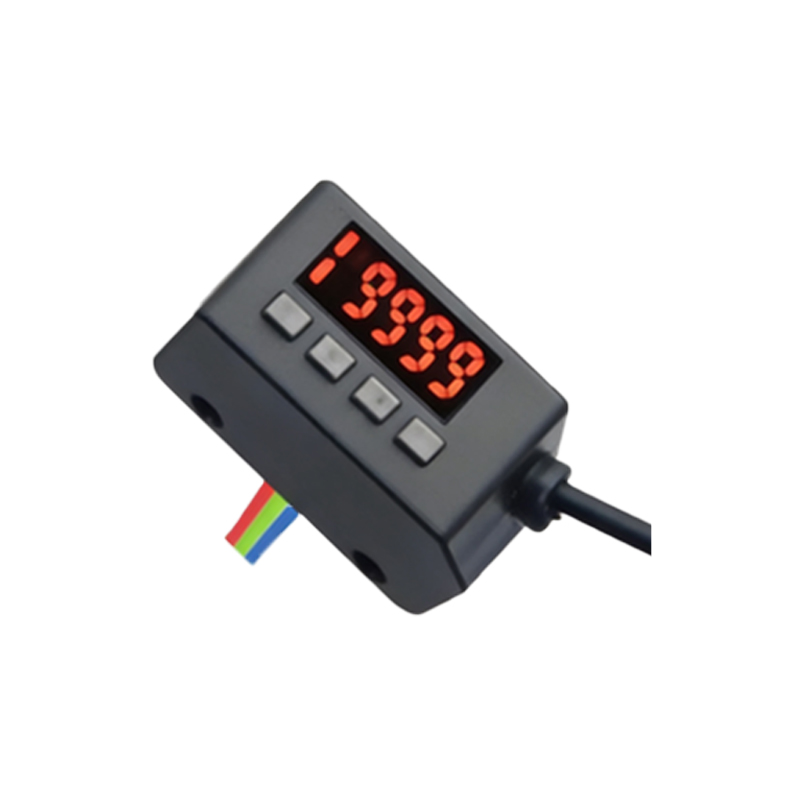
Defining Characteristics of Swiss-Made Photoelectric Sensors
What truly distinguishes Swiss photoelectric sensors from their competitors is a holistic commitment to quality that permeates every stage of design and production. First and foremost is exceptional precision. The optical systems are engineered with high-grade lenses and precisely calibrated emitters and receivers to achieve consistent, repeatable detection over long distances and with minute objects. Secondly, robustness is paramount. Housings are often crafted from high-performance polymers or stainless steel, featuring IP67, IP68, or IP69K ratings for resistance to dust, water jets, high-pressure washdowns, and corrosive chemicals. This makes them ideal for food and beverage or chemical processing. Furthermore, Swiss sensors frequently incorporate advanced functionalities as standard, such as precise background suppression, high-speed response for detecting fast-moving objects, and exceptional immunity to ambient light interference. Their design philosophy prioritizes long-term stability and minimal drift over time, reducing maintenance needs and total cost of ownership.
Leading Brands and Their Technological Edge
Several Swiss brands dominate the high-end photoelectric sensor market, each with a unique technological focus. Baumer Group, a global leader, is renowned for its extensive portfolio and innovation in miniaturization and IO-Link smart sensor communication. Their sensors offer exceptional flexibility and diagnostic capabilities. Contrinex, another powerhouse, is famous for its patented "Metalface" technology, where the sensing face is made of solid stainless steel, providing extreme durability against physical impact and abrasion. This is a game-changer in metalworking and automotive applications. Then there is Sensirion, known for its expertise in environmental sensing, which extends to highly precise and stable photoelectric sensors for analytical and medical equipment. These companies, among others, invest heavily in R&D, often developing proprietary ASICs (Application-Specific Integrated Circuits) and optical designs that are years ahead of the market, ensuring their products can handle emerging challenges in automation and Industry 4.0.
Application Areas Demanding Swiss Excellence
The specific demands of certain industries make Swiss photoelectric sensors the preferred, and often essential, choice. In pharmaceutical and medical device manufacturing, where absolute precision and cleanliness are non-negotiable, sensors with smooth, crevice-free housings and high ingress protection ensure compliance with stringent GMP standards. The packaging industry, operating at blistering speeds, relies on Swiss sensors for their micro-second response times and ability to detect transparent films, subtle color marks, or tiny embossments on labels. In logistics and material handling, sensors must perform flawlessly in dusty, vibratory environments, a task for which the rugged construction of Swiss models is perfectly suited. Furthermore, for outdoor applications like agricultural machinery or toll gate systems, sensors must withstand wide temperature fluctuations, humidity, and UV exposure—conditions meticulously tested and validated by Swiss manufacturers.
The Integration with Industry 4.0 and Smart Factories
Swiss sensor manufacturers are at the forefront of the digital transformation in industry. Modern Swiss photoelectric sensors are increasingly intelligent nodes in the Industrial Internet of Things (IIoT). Integration of IO-Link communication is now commonplace. This allows for remote parameter configuration, real-time monitoring of device health (like lens contamination or temperature warnings), and predictive maintenance data, all communicated directly to the PLC or cloud-based systems. This intelligence transforms a simple detection event into a rich data point, enabling process optimization, traceability, and reduced downtime. The inherent precision and reliability of the Swiss hardware provide a trustworthy foundation for these advanced digital functionalities, ensuring that the data generated is accurate and actionable, which is critical for the success of Smart Factory initiatives.
Conclusion: An Investment in Reliability and Performance
Selecting a Swiss photoelectric sensor brand represents a strategic investment rather than just a component purchase. While the initial cost may be higher than standard alternatives, the total cost of ownership is frequently lower due to extended service life, reduced failure rates, and minimal production stoppages. The unparalleled precision enhances product quality, reduces waste, and ensures compliance. In essence, these sensors embody the Swiss values of precision, innovation, and durability. For engineers and plant managers designing systems where performance cannot be compromised, where environments are punishing, and where the seamless flow of data is crucial, Swiss photoelectric sensors offer a proven, reliable, and technologically advanced solution that safeguards productivity and drives operational excellence in an increasingly automated world.