Introduction to Photoelectric Sensing and Image Transmission
Photoelectric sensors, fundamental components in industrial automation and machine vision, have evolved significantly. Traditionally used for simple presence detection, modern sensors now incorporate advanced capabilities for capturing and transmitting high-resolution images. This functionality is critical for applications requiring detailed visual inspection, precise measurement, and complex pattern recognition. The core principle involves converting light signals, reflected or interrupted by a target object, into electrical signals. For image transmission, this process is scaled up using arrays of photodiodes or CMOS/CCD imaging elements, capturing spatial light intensity data to form a digital image. The demand for high-definition (HD) images from these sensors is driven by the need for greater accuracy in quality control, robotic guidance, and automated optical inspection (AOI) systems across manufacturing, logistics, and life sciences.
Key Technologies Enabling High-Resolution Output
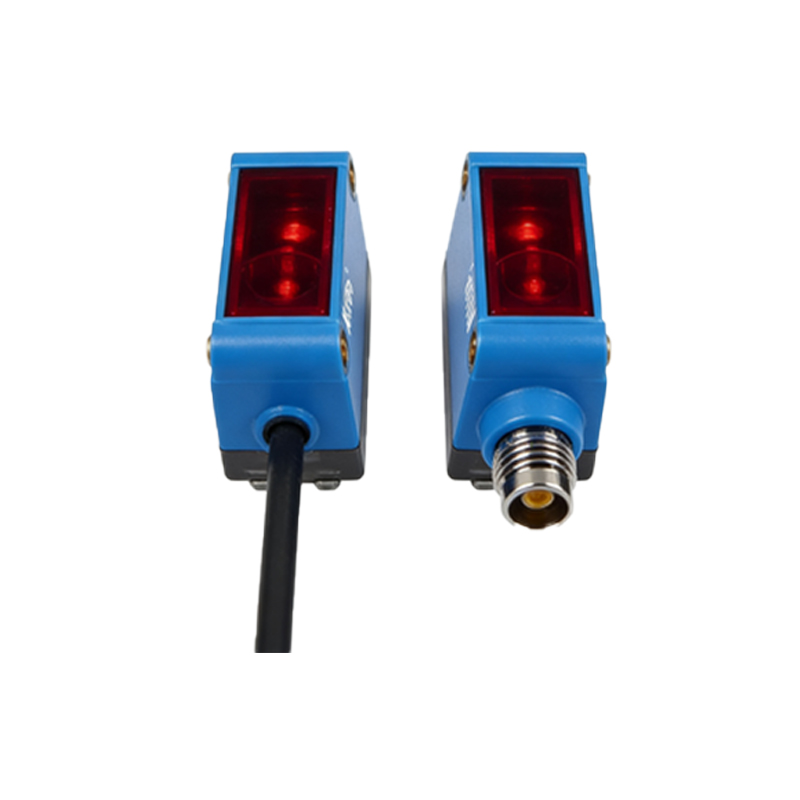
Achieving high-resolution image transmission in photoelectric sensors hinges on several integrated technologies. First, the imaging sensor itself, typically a high-pixel-count CMOS chip, determines the fundamental resolution. Sensors with 2 to 5 megapixels are now common in industrial settings, with higher resolutions used for microscopic inspection. Second, the quality of the optical lens system is paramount. Precision lenses with minimal distortion and appropriate focal length ensure the target is sharply projected onto the sensor array. Third, onboard processing power is crucial. Modern sensors feature powerful processors that handle noise reduction, contrast enhancement, and basic image preprocessing before transmission, reducing the load on the central control system and improving real-time performance.
Transmission Protocols and Data Integrity
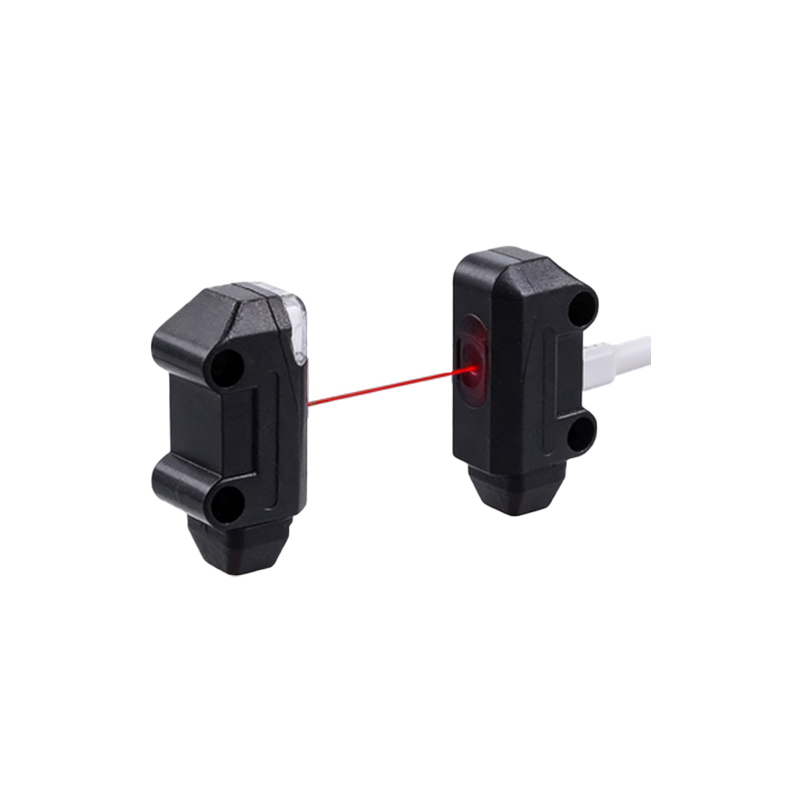
Transmitting high-resolution images without latency or data loss is a major engineering challenge. Common industrial protocols like GigE Vision, USB3 Vision, and CoaXPress are specifically designed for high-bandwidth image data. GigE Vision, leveraging standard Ethernet hardware, is popular for its long cable runs and moderate cost, suitable for resolutions up to 4K. USB3 Vision offers higher bandwidth for very high frame rates. For the most demanding applications, CoaXPress provides exceptionally high data rates over coaxial cable. Data integrity is ensured through error-checking algorithms, shielded cabling to prevent electromagnetic interference (EMI), and robust connectors. The choice of protocol directly impacts the achievable resolution, frame rate, and system reliability.
Integration with Vision Systems and Industrial Networks
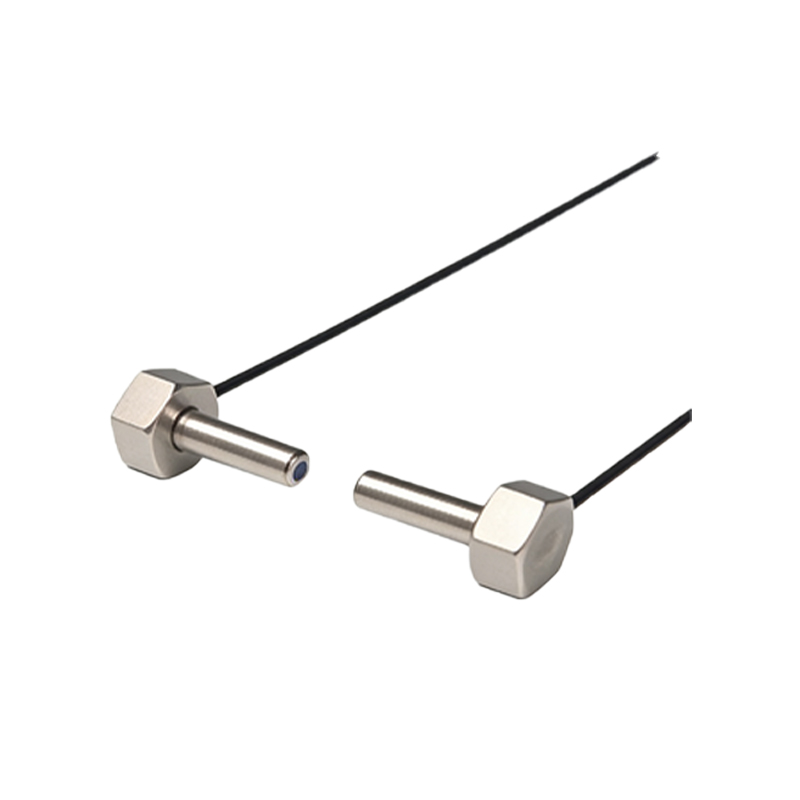
The transmitted HD image is only valuable when effectively integrated into a larger system. Photoelectric sensors with imaging capabilities often feed data into a PC-based vision system or a smart camera. Here, sophisticated software algorithms perform tasks like OCR (Optical Character Recognition), barcode reading, or complex geometric analysis. Seamless integration into industrial networks like PROFINET, EtherNet/IP, or EtherCAT is also vital. This allows the sensor to not only send image data but also receive configuration commands and output simple detection results (e.g., pass/fail) directly to the Programmable Logic Controller (PLC), enabling closed-loop control of production processes.
Applications Driving the Demand for HD Images
The push for higher resolution is application-led. In electronics manufacturing, HD sensors inspect solder joints on printed circuit boards (PCBs) for micron-level defects. In pharmaceutical packaging, they verify tiny print on labels and check for seal integrity. Automotive assembly lines use them for robotic bin picking, where a clear image is needed to identify and locate randomly oriented parts. Logistics and warehousing employ high-resolution sensors for reading damaged or poorly printed barcodes on packages. In food processing, they detect color variations and foreign material contamination with high precision, ensuring product safety and quality.
Challenges and Future Trends
Despite advancements, challenges remain. Processing and transmitting HD images generates substantial heat and requires significant power. Managing this in compact sensor housings is an ongoing design concern. Furthermore, the vast amount of data can strain network bandwidth and storage systems. Future trends are addressing these issues. The integration of artificial intelligence (AI) directly at the sensor edge allows for on-device image analysis, transmitting only metadata (e.g., "defect detected") instead of full images, drastically reducing bandwidth needs. Developments in compression algorithms tailored for industrial images and the adoption of faster interfaces like 10 GigE are also on the horizon, promising even higher resolutions and faster processing speeds for next-generation smart factories.