Introduction to Photoelectric Sensing
A photoelectric sensor detection unit is a fundamental component in modern industrial automation, serving as the electronic eye for countless machines and systems. At its core, this technology operates by emitting a beam of light, typically from an LED or laser diode, and detecting changes in the received light signal. The detection unit, which includes the receiver and associated processing circuitry, interprets these changes to determine the presence, absence, distance, or surface characteristics of an object. Its ability to perform non-contact detection with high speed, precision, and reliability makes it indispensable across diverse sectors, from intricate assembly lines to rugged material handling environments. The versatility of photoelectric sensors stems from the various detection modes and the sophisticated units designed to handle specific challenges like color contrast, transparency, or long-range sensing.
Core Components of the Detection Unit
The detection unit of a photoelectric sensor is more than just a light receiver. It is an integrated system comprising several key elements. The photodetector, often a phototransistor or photodiode, is the primary component that converts incoming light photons into an electrical current. This signal is then conditioned by amplification circuits to be usable. A crucial part of the unit is the logic processor or microcontroller, which compares the received signal strength against a predefined threshold or, in more advanced models, analyzes pulse patterns for background suppression or distance measurement. Finally, the output stage translates this decision into a clear signal, such as a switching signal (PNP/NPN), analog current (4-20mA), or digital data via IO-Link or Ethernet protocols, ready for the programmable logic controller (PLC) to act upon.
Primary Detection Modes and Their Units
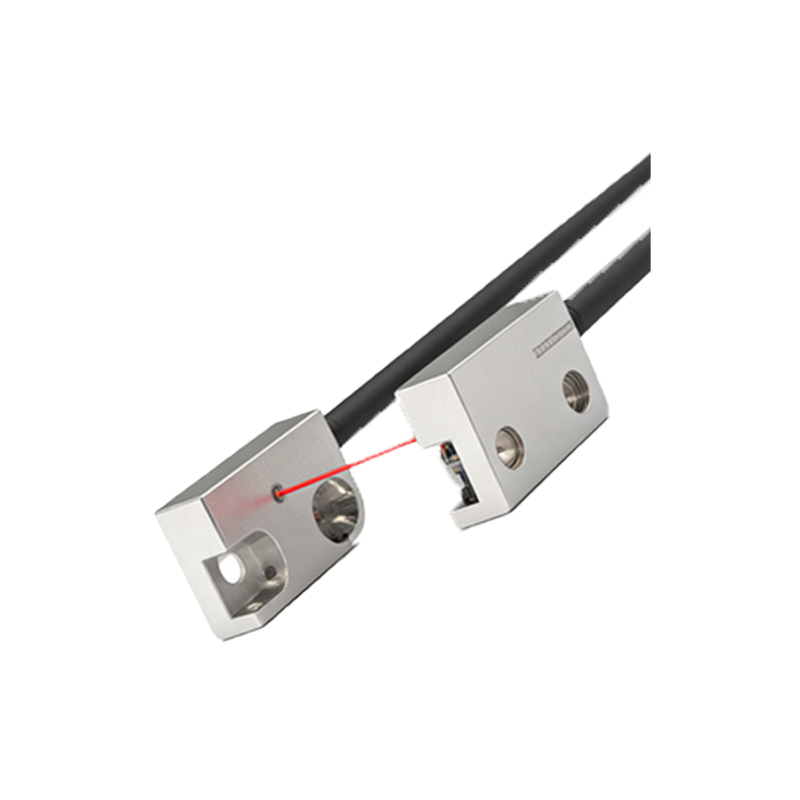
Photoelectric sensors are categorized by their detection method, each requiring a specific configuration of the emitter and receiver within the detection unit. The through-beam (or opposed) mode uses separate, opposing units for the emitter and receiver. The detection unit here is dedicated solely to receiving, offering the longest sensing range and highest reliability, as it detects a direct beam interruption. The retro-reflective mode employs a single housing containing both emitter and receiver. Its detection unit is designed to recognize light reflected from a dedicated reflector, ignoring other reflective surfaces, making it ideal for detecting objects that may not be perfectly opaque. The most common type is the diffuse (or proximity) mode, where the emitter and receiver are in one unit. This unit's sophistication lies in its ability to detect light reflected directly off the target object itself, often incorporating background suppression or foreground suppression technology to ignore objects beyond or before a set distance.
Specialized Detection Technologies
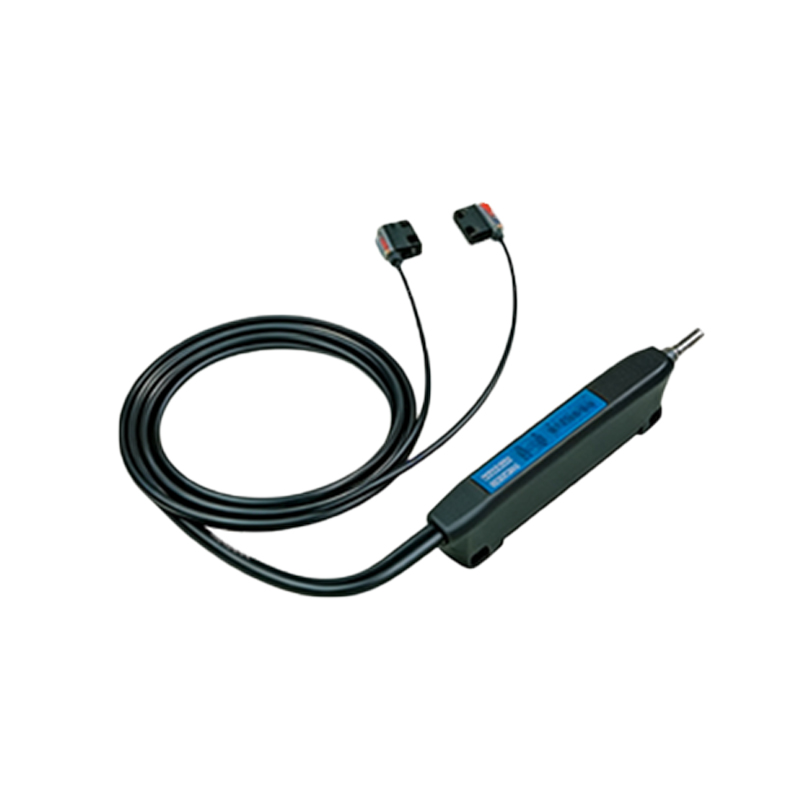
Advanced detection units incorporate specialized technologies to solve complex application problems. Background Suppression (BGS) and Foreground Suppression (FGS) units use triangulation principles. They are equipped with a position-sensitive detector (PSD) or a dual-receiver system. The internal processor calculates the angle of the reflected light to determine the exact distance of the object, allowing the sensor to ignore objects outside a defined range. Contrast sensors and color sensors feature detection units with high-resolution receivers and stable light sources. They evaluate the intensity or wavelength of reflected light to distinguish minute differences in contrast or specific color values, critical in packaging and sorting. Luminescence sensors contain detection units sensitive to ultraviolet light, triggering on the visible glow certain materials emit under UV exposure, useful for security marking verification.
Key Performance Specifications
Evaluating a photoelectric sensor detection unit requires understanding its key specifications. Sensing range, the maximum distance at which it can reliably detect a standard object, is paramount. Response time, often in milliseconds or microseconds, defines how quickly the unit can react to a change in state, determining the maximum operational speed of the application. Light source type (red, green, blue, infrared, laser) influences detection capability for specific materials. The unit's environmental ratings, such as IP67 or IP69K for ingress protection and robust housing materials, indicate its suitability for washdown or outdoor use. Additionally, features like programmable functions, teach-in capabilities, and diagnostic LEDs integrated into the unit enhance usability and maintenance.
Application Examples in Industry
The practical application of these detection units is vast. In packaging machinery, diffuse sensors with background suppression units accurately detect transparent bottles on a conveyor, ignoring the belt behind them. In automotive assembly, through-beam units provide precise counting and positioning of components on high-speed robotic lines. Retro-reflective sensors guard safety perimeters by detecting if a person breaks the light curtain. In warehouse automation, long-range polarized retro-reflective units monitor the fill-level of bulk storage bins. Color detection units ensure correct label placement on pharmaceutical products, while luminescence sensors verify the authenticity of security tags on high-value goods. Each application leverages the specific strengths of the sensor's detection unit architecture.
Selection and Installation Best Practices
Selecting the correct photoelectric sensor and its detection unit involves analyzing the target object (size, material, color), the required sensing distance, environmental conditions (dust, moisture, ambient light), and the needed output signal. Installation is critical for performance. Ensuring stable mounting, precise alignment for through-beam and retro-reflective types, and avoiding optical interference from reflective backgrounds or cross-talk between adjacent sensors are essential steps. Regular maintenance, such as cleaning the lens of the detection unit from dust or grime, preserves long-term reliability and prevents false triggers or missed detections that can halt production.
Future Trends and Developments
The future of photoelectric sensor detection units is driven by integration and intelligence. Units are becoming smaller yet more powerful, with integrated processors enabling advanced functions like condition monitoring and predictive maintenance data reporting via IO-Link. The fusion of time-of-flight (ToF) measurement into standard units is making precise distance sensing more affordable and widespread. Furthermore, the development of units resistant to extreme environmental factors, such as intense welding arc light or heavy chemical exposure, continues to expand the boundaries of where photoelectric sensing can be reliably applied, solidifying its role as a cornerstone of Industry 4.0 and smart factory initiatives.