Proximity sensors are ubiquitous in modern technology, silently enabling functionalities in smartphones, industrial automation, vehicles, and countless other devices. A common and critical question for engineers, purchasers, and tech enthusiasts is: "How accurate are proximity sensors?" The answer is not a single number but a nuanced discussion involving precision, repeatability, and the various factors that influence performance.
At its core, the accuracy of a proximity sensor refers to its ability to correctly and consistently detect the presence or absence of a target object and, for measuring sensors, to determine the exact distance to that target. It's essential to distinguish between detection sensors (on/off) and measuring (analog or distance-output) sensors. Their accuracy is defined differently.
For simple inductive or capacitive proximity switches used in factories, accuracy is often discussed in terms of repeatability. This is the sensor's ability to trigger at the exact same point every time a target approaches. High-quality industrial sensors can achieve repeatability within microns (µm), often as tight as ±0.5% of the sensor's nominal sensing range. For instance, a sensor with a 10mm range might have a repeatability of ±0.05mm. The switching frequency also impacts effective accuracy in dynamic applications.
For measuring sensors—like those using ultrasonic, infrared (IR), or laser time-of-flight (ToF) principles—accuracy is specified as a deviation from the true distance. Specifications typically list values like ±1% of reading or ±2mm, whichever is greater. High-precision laser triangulation sensors can achieve astounding accuracy in the micrometer range, but common IR distance sensors in consumer electronics might have an accuracy of ±5% to ±10% over their range.
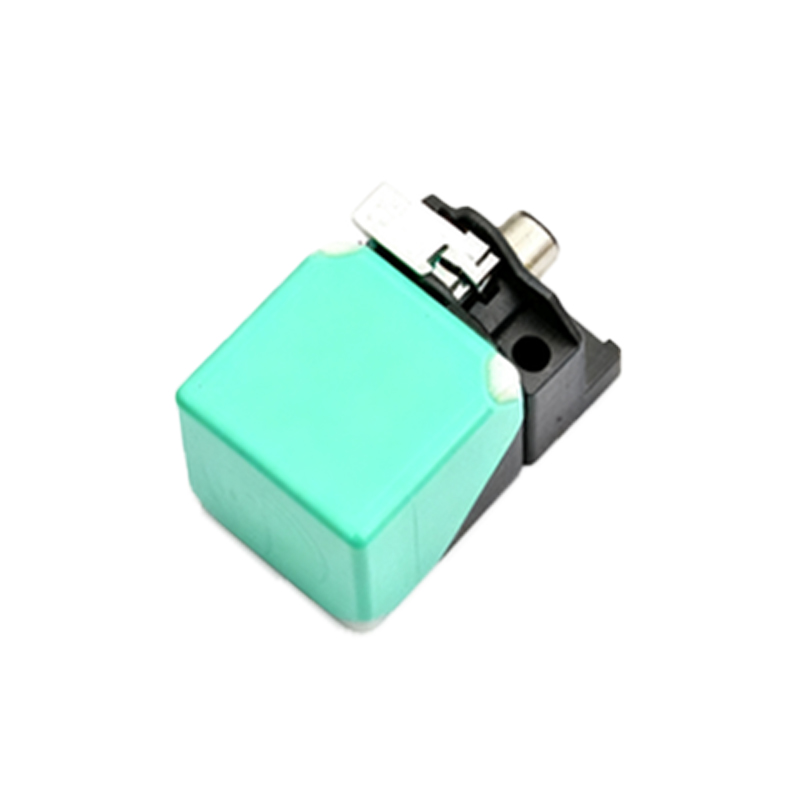
Several key factors dramatically influence the achieved accuracy:
1. Sensor Technology: The underlying physics sets a baseline. Inductive sensors are highly accurate for metals but only for short ranges. Ultrasonic sensors are good for longer ranges and various materials but suffer in noisy environments or with soft surfaces. Laser-based sensors offer the highest precision but at a higher cost and with sensitivity to surface properties.
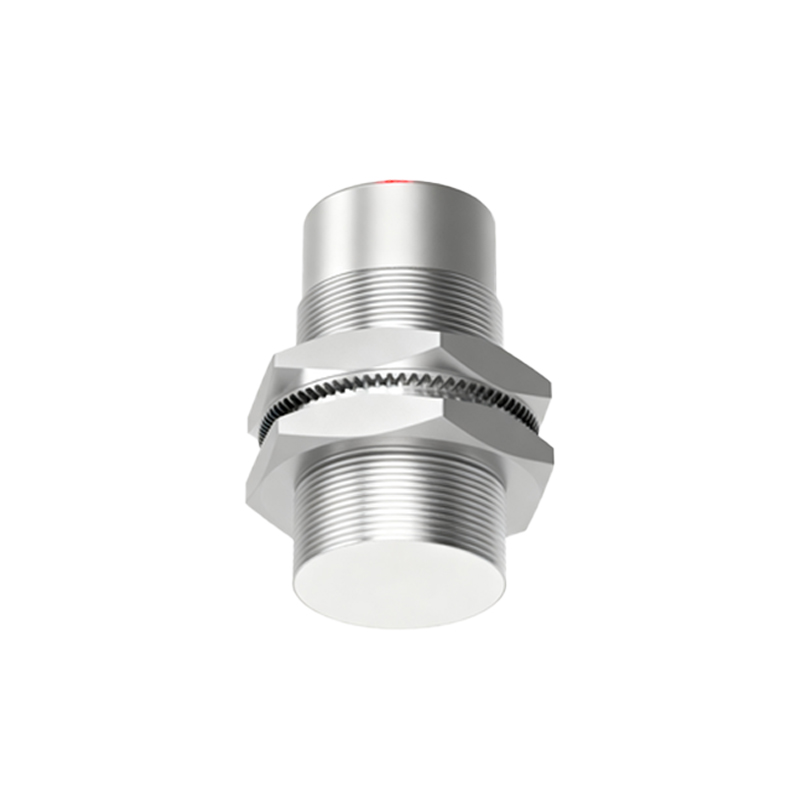
2. Target Object: The material, size, color, and surface texture are paramount. A glossy white surface reflects IR light differently than a matte black one, affecting IR sensor accuracy. The size and shape of the target must meet the sensor's minimum requirements.
3. Environmental Conditions: Temperature fluctuations can cause drift in electronic components and change the speed of sound (for ultrasonics). Ambient light can swamp IR sensors, while dust, fog, or oil mist can scatter light and ultrasonic waves. Electromagnetic interference (EMI) can disrupt inductive and capacitive sensors.
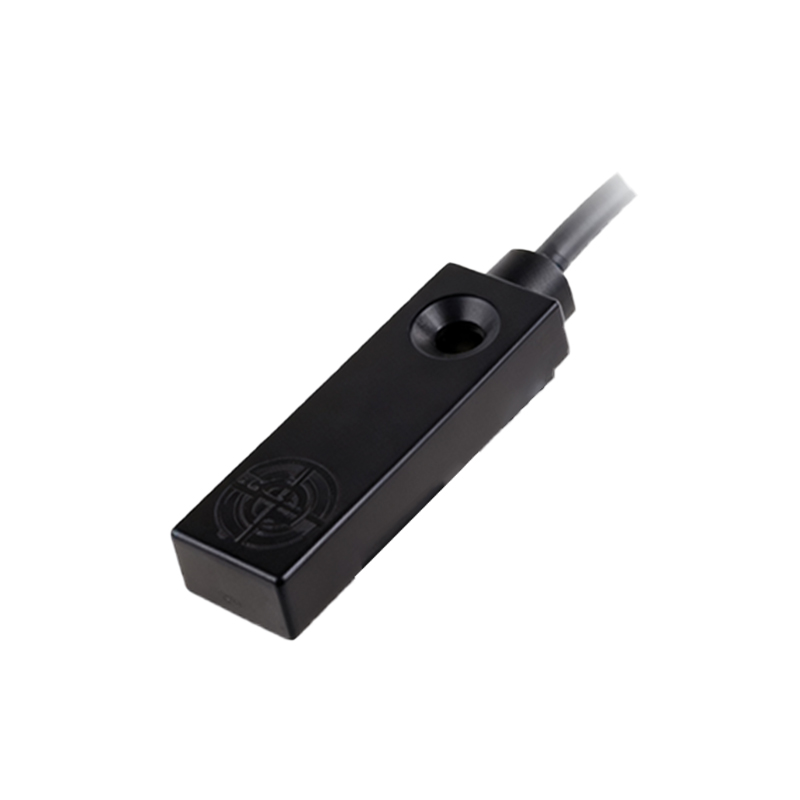
4. Installation and Calibration: Proper mounting, alignment, and a stable mechanical setup are crucial. Vibration can introduce noise. Most measuring sensors require a one-time calibration against a known distance to minimize offset error.
5. Sensor Range and Resolution: Accuracy is usually worst at the extreme ends of a sensor's specified range. Operating within the middle 60-80% of the range often yields the best results. Resolution (the smallest change in distance the sensor can detect) is related to, but distinct from, accuracy.
In practical applications, requirements vary widely. A sensor detecting a car in a parking space may only need ±10cm accuracy. A sensor guiding a robotic arm for pick-and-place might need ±0.1mm. A smartphone's proximity sensor, which turns off the screen during a call, primarily needs reliable binary detection, not millimeter precision.
Therefore, when evaluating "how accurate" a proximity sensor is, one must always consult the manufacturer's datasheet under specified standard conditions. Look for parameters like Accuracy (or Linearity Error), Repeatability, Resolution, and Temperature Drift. Understand that real-world accuracy will be influenced by your specific target, environment, and application setup. The most accurate sensor is the one whose performance characteristics—including but not limited to its nominal accuracy figure—are best matched to the unique demands of the task it must perform. Selecting a sensor involves balancing precision, range, cost, robustness, and environmental suitability.