Introduction to Cylindrical Through-Beam Sensors
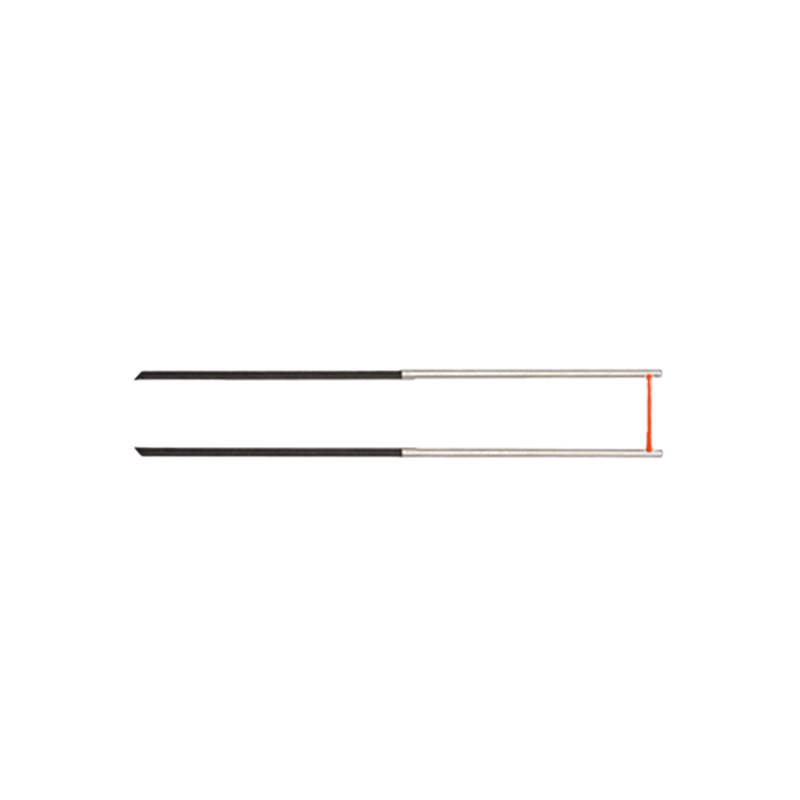
Cylindrical through-beam photoelectric sensors, often referred to as "opposed-mode" sensors, represent a fundamental and highly reliable category in industrial automation. Their operation is elegantly simple yet profoundly effective: a separate emitter and receiver are positioned opposite each other. The emitter projects a continuous beam of light—typically infrared, visible red, or laser—directly towards the receiver. The presence of any object passing between the two units interrupts this light beam, causing the receiver's output state to change. This binary detection method makes them exceptionally robust against environmental factors like target color, reflectivity, or surface finish. The cylindrical housing, a standard in industrial design, offers durability, ease of mounting via threaded barrels, and protection against dust and moisture, typically conforming to IP67 ratings.
Core Operating Principles and Components
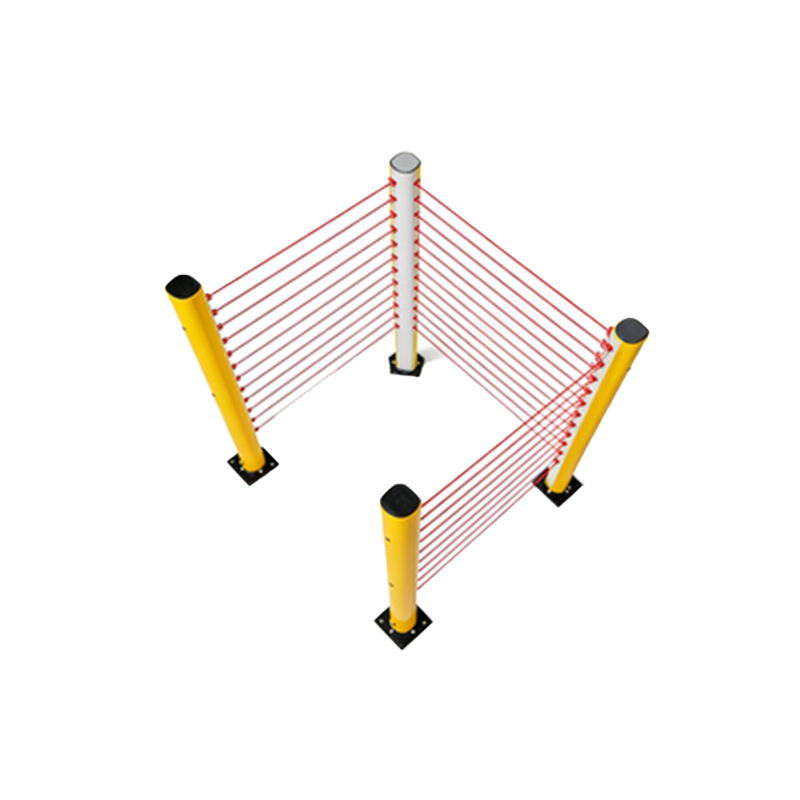
The effectiveness of these sensors hinges on their core components. The emitter contains a light-emitting diode (LED) that generates the modulated light signal. Modulation, or pulsing the light at a specific high frequency, is critical. It allows the receiver's circuitry to distinguish the sensor's own signal from ambient light (such as factory lighting), granting superior immunity to optical interference. The receiver houses a phototransistor or photodiode tuned to the emitter's frequency. The sensing range, which can extend from a few centimeters to over 50 meters in high-power models, is determined by the light intensity and the receiver's sensitivity. Key electrical specifications include operating voltage (commonly 10-30V DC), output type (PNP/NPN transistor, or relay), and connection method (pre-wired cable or quick-disconnect).
Advantages Over Other Sensing Modes
When compared to diffuse-reflective or retro-reflective sensors, through-beam models offer distinct advantages. They provide the longest, most stable sensing distances for a given size and power. The "on-axis" alignment creates a very precise sensing field, allowing for the detection of extremely small objects. Their performance is virtually unaffected by the target's characteristics; a clear glass bottle or a matte black rubber piece will be detected with equal certainty as long as they are opaque enough to break the beam. This makes them the go-to choice for challenging applications where other sensors might falter due to color variations, reflectivity issues, or long distances.
Critical Selection Criteria for Engineers
Selecting the optimal cylindrical through-beam sensor requires careful analysis of the application parameters. First, determine the required sensing distance and add a safety margin to account for alignment tolerances and potential drift. Next, consider the physical size and mounting constraints; M8, M12, M18, and M30 are common threaded barrel diameters. The beam type is crucial: standard divergent beams are forgiving for alignment, while precise parallel or focused laser beams are needed for small-part detection or long ranges. Environmental conditions dictate the necessary ingress protection (IP rating), material (often nickel-plated brass or stainless steel), and whether a specialized lens material is needed for high-temperature or washdown areas. Finally, the output configuration must match the control system's input card requirements.
Installation, Alignment, and Maintenance Best Practices
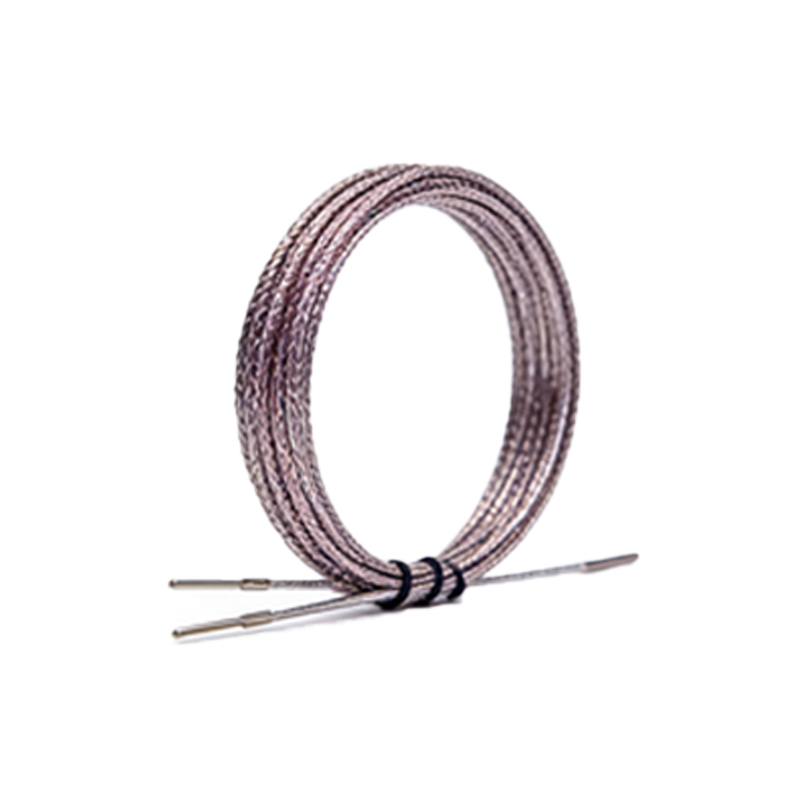
Proper installation is paramount for reliable operation. The emitter and receiver must be securely mounted on stable surfaces to prevent vibration-induced misalignment. Initial alignment is greatly facilitated by devices with built-in alignment indicators, such as LED signal strength meters. For long-range setups, a preliminary rough alignment using a visible laser or a cardboard sight can save time. Once powered, fine-tune the alignment for maximum signal strength. Regular maintenance involves keeping the lenses clean from dust, oil, or debris that could attenuate the light beam. Periodically checking the alignment and output signal ensures continued reliability. Many modern sensors feature diagnostic LEDs that indicate power status, output state, and signal strength, aiding in troubleshooting.
Diverse Industrial Application Examples
The versatility of cylindrical through-beam sensors is demonstrated across countless industries. In material handling and packaging, they are used for object counting on high-speed conveyors, detecting missing bottles on filling lines, and verifying case presence in sealing machines. In the automotive sector, they monitor robot work envelope intrusion for safety and detect parts on assembly pallets. In woodworking and metal fabrication, they serve as break-to-make safety light curtains on saws or press brakes. They are also essential in elevator systems for door position monitoring and in agricultural machinery for seed or product flow verification. Their robustness makes them suitable for harsh environments like food processing plants, where they withstand frequent washdowns.
Troubleshooting Common Operational Issues
Even with robust design, issues can arise. The most common problem is loss of signal due to misalignment from vibration or impact. Realignment is the first step. If signal strength remains weak, inspect and clean both lenses. Intermittent operation may be caused by fluctuating power supply; verify voltage levels at the sensor. A sensor that is constantly "on" (object present) might indicate a damaged receiver, a failed emitter, or an object permanently obstructing the beam. Always consult the manufacturer's datasheet for specific diagnostic procedures. Understanding the relationship between the sensing distance, beam pattern, and object size is key to diagnosing application-specific issues, such as a small object passing through a gap in a divergent beam.
Future Trends and Technological Developments
The evolution of cylindrical through-beam sensors continues, driven by Industry 4.0 demands. Integration of IO-Link communication is a significant trend, enabling digital parameter setting, remote monitoring of signal strength, and advanced diagnostics directly to the PLC. This facilitates predictive maintenance. There is also a push towards miniaturization without sacrificing range or robustness, with M5 and M8 sensors gaining capabilities once reserved for larger units. Enhanced background suppression techniques in the receiver circuitry are improving performance in high-ambient-light scenarios. Furthermore, the use of new LED technologies is expanding available light spectra for specialized applications, such as detecting specific materials transparent to standard infrared light.