Introduction to Photoelectric Sensor Principles
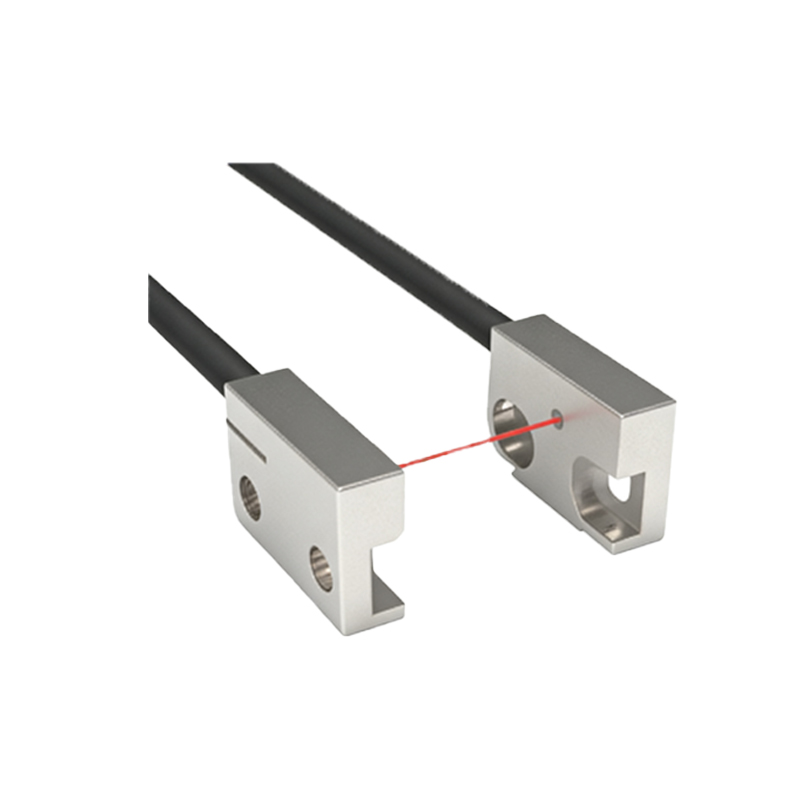
Photoelectric sensors operate by emitting a light beam, typically from an LED or laser diode, and detecting changes in the received light intensity. The core principle involves the interaction between light and the target object, which can reflect, absorb, or interrupt the light path. Common types include through-beam, retro-reflective, and diffuse reflective sensors, each utilizing distinct optical arrangements. Through-beam sensors consist of separate emitter and receiver units, offering high accuracy over long distances. Retro-reflective models use a reflector to bounce light back to a combined emitter-receiver unit, suitable for moderate-range applications. Diffuse reflective sensors rely on light reflecting directly from the target, ideal for close-range detection. Understanding these fundamentals is essential for analyzing factors that impact sensor performance, as each type responds differently to environmental and operational variables.
Environmental Light Interference
Ambient light is a primary external factor affecting photoelectric sensor reliability. Sunlight, artificial lighting, or other optical sources can introduce noise into the receiver, causing false triggers or missed detections. Sensors with modulated light sources and synchronous detection circuits mitigate this by distinguishing between the emitted signal and ambient light. However, intense or fluctuating light conditions, such as welding arcs or strobe lights, may overwhelm these safeguards. Selecting sensors with narrow-band filters or specific wavelengths (e.g., infrared) reduces interference. Additionally, physical shielding or mounting sensors in enclosures minimizes exposure. In outdoor applications, directional housings and sunshades are recommended to block direct sunlight, ensuring stable operation across varying daylight intensities.
Target Object Characteristics
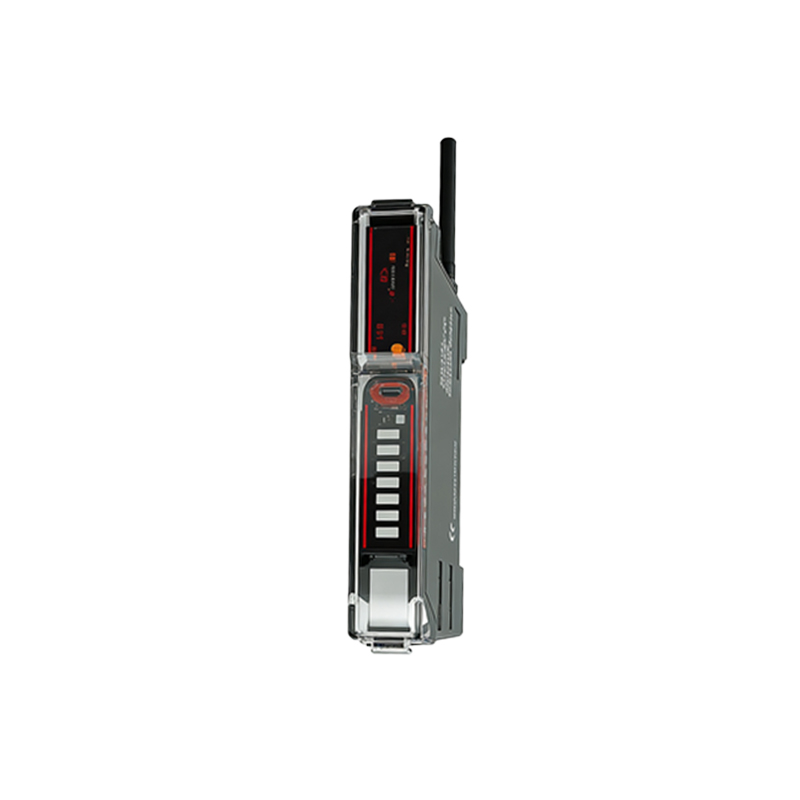
The properties of the target object significantly influence sensor performance. Surface reflectivity, color, material, and size determine how much light is reflected or absorbed. Highly reflective surfaces, like mirrors or polished metal, can cause oversaturation or erratic readings, while dark, matte surfaces may absorb too much light, reducing detection range. Transparent or translucent materials, such as glass or plastic, may allow light to pass through, requiring sensors with polarized filters or specialized beam patterns. Object size and shape also matter; small or irregularly shaped targets might not reflect sufficient light, necessitating sensors with precise beam focusing. Engineers must calibrate sensitivity thresholds and choose sensor types based on target characteristics to ensure consistent detection across diverse applications.
Contamination and Obstructions
Dust, dirt, moisture, and other contaminants can accumulate on sensor lenses or reflectors, attenuating light transmission and degrading performance. In industrial settings like manufacturing or packaging, airborne particles or oil mist are common issues. Regular cleaning and maintenance are crucial, but selecting sensors with IP-rated enclosures (e.g., IP67 for dust and water resistance) enhances durability. For harsh environments, sensors with air purge fittings or protective coatings resist buildup. Obstructions in the light path, such as debris or unintended objects, can cause false interruptions. Through-beam sensors are less susceptible to lens contamination but require alignment integrity, while diffuse sensors may misread nearby obstructions. Implementing redundancy or using sensors with background suppression technology improves reliability in contaminated conditions.
Temperature and Humidity Effects
Operating temperature and humidity levels impact photoelectric sensor components, including light sources, receivers, and electronic circuits. Extreme heat can shorten LED lifespan or shift emission wavelengths, while cold temperatures may reduce battery efficiency in wireless sensors or cause condensation. Humidity, especially in high-moisture environments, can fog lenses or corrode contacts, leading to signal loss. Most industrial sensors specify a temperature range (e.g., -25°C to 70°C) and humidity tolerance. For outdoor or variable climates, choosing sensors with wide operating ranges and protective seals is essential. Thermal drift, where temperature changes alter sensor calibration, can be mitigated by selecting models with temperature compensation circuits. Monitoring environmental conditions during installation ensures long-term stability and accuracy.
Electrical Noise and Power Supply
Electrical interference from motors, relays, or high-frequency equipment can induce noise in sensor circuits, causing erratic outputs or communication errors. Proper grounding, shielded cables, and separation from noise sources are standard countermeasures. Sensors with robust EMI/RFI immunity, compliant with standards like IEC 60947-5-2, perform better in electrically noisy environments. Power supply stability is another critical factor; voltage fluctuations or ripple can affect light intensity and detection consistency. Using regulated power sources or sensors with built-in voltage regulation prevents issues. In DC-powered sensors, reverse polarity protection avoids damage, while AC models should account for frequency variations. Implementing surge protectors or isolation transformers safeguards against power spikes, especially in areas with unstable grids.
Installation and Alignment Considerations
Correct installation and alignment are vital for optimal photoelectric sensor function. Misalignment in through-beam or retro-reflective sensors reduces signal strength, leading to unreliable detection. Mounting stability is key; vibrations or mechanical shifts can disrupt alignment over time. Using adjustable brackets or alignment tools ensures precise setup. For diffuse sensors, the distance to the target and angle of incidence affect reflection patterns; following manufacturer-specified sensing ranges and beam angles avoids errors. Environmental factors like wind or thermal expansion may require periodic realignment. In conveyor systems or moving machinery, sensors should be positioned to avoid mechanical interference. Testing under operational conditions verifies alignment, and using sensors with alignment indicators or teach-in functions simplifies setup and maintenance.
Maintenance and Calibration Practices
Regular maintenance and calibration sustain photoelectric sensor performance over their lifecycle. Scheduled inspections should check for lens cleanliness, housing integrity, and connection tightness. Calibration involves adjusting sensitivity settings to account for wear or environmental changes; some sensors feature auto-calibration or push-button tuning for convenience. Logging performance data helps identify trends, such as gradual signal decay, indicating need for replacement. Spare parts, like lenses or reflectors, should be kept on hand for quick repairs. Training personnel on troubleshooting common issues—like false triggers or range reduction—reduces downtime. Implementing predictive maintenance with IoT-enabled sensors allows remote monitoring and alerts, enhancing reliability in automated systems. Adhering to manufacturer guidelines ensures sensors meet specified accuracy and longevity standards.