Introduction to Photoelectric Sensor Signal Lines
Photoelectric sensor signal lines are integral components in industrial automation systems, serving as the critical link between sensors and control units. These cables transmit electrical signals generated by photoelectric sensors, which detect objects, distances, or changes in light intensity. In modern manufacturing and processing environments, reliable signal transmission ensures precise operations, reducing errors and enhancing efficiency. Without properly functioning signal lines, even the most advanced sensors can fail to deliver accurate data, leading to system downtime or safety hazards. Understanding their role is essential for engineers and technicians working with automated machinery.
Primary Functions of Signal Lines
The main function of photoelectric sensor signal lines is to convey detection signals from the sensor to a programmable logic controller (PLC) or other processing devices. When a sensor detects an object—such as on a conveyor belt—it generates an electrical signal, typically a voltage or current change. The signal line carries this information, enabling the control system to trigger actions like stopping a motor or activating an alarm. Additionally, these lines often provide power to the sensor, using separate conductors within the same cable. This dual role simplifies installation and maintenance, as a single cable handles both signal and power needs, reducing clutter in industrial setups.
Types and Configurations
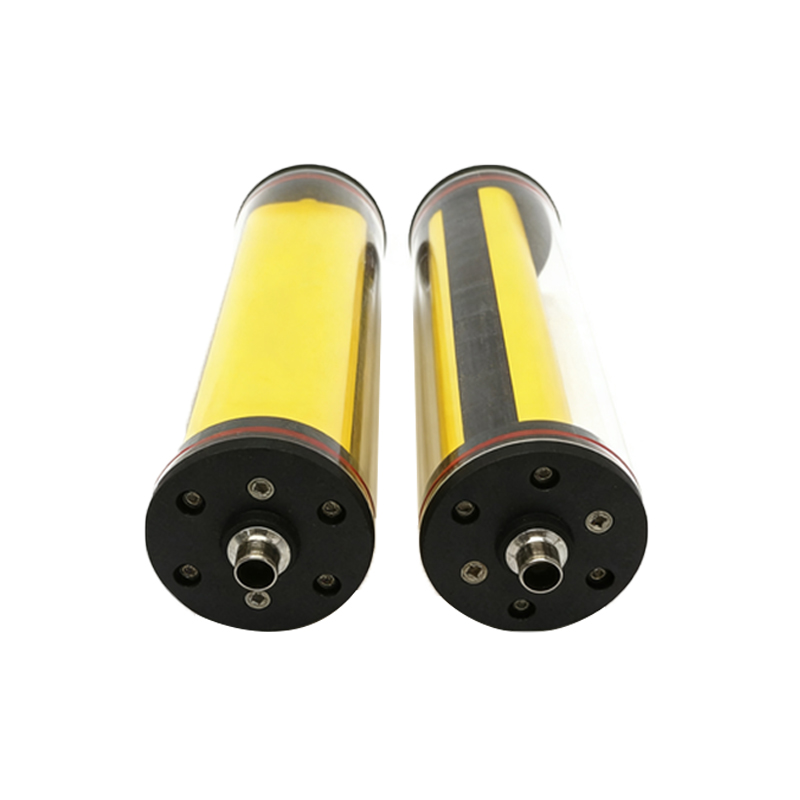
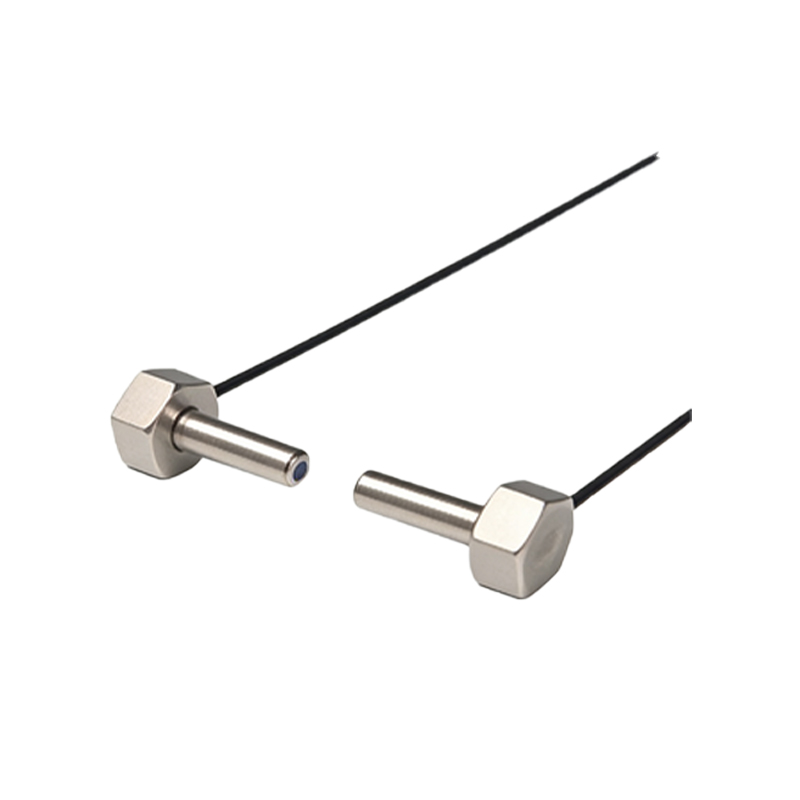
Photoelectric sensor signal lines come in various types to suit different applications. Common configurations include straight cables, coiled cables, and connectorized versions with M8 or M12 connectors for easy plug-and-play use. Shielded cables are widely used to protect against electromagnetic interference (EMI) in noisy industrial environments, ensuring signal integrity. For harsh conditions, such as exposure to chemicals or extreme temperatures, ruggedized cables with protective jackets (e.g., polyurethane or PVC) are employed. Engineers must select the appropriate type based on factors like distance, environmental hazards, and compatibility with sensor models to optimize performance.
Installation and Maintenance Best Practices
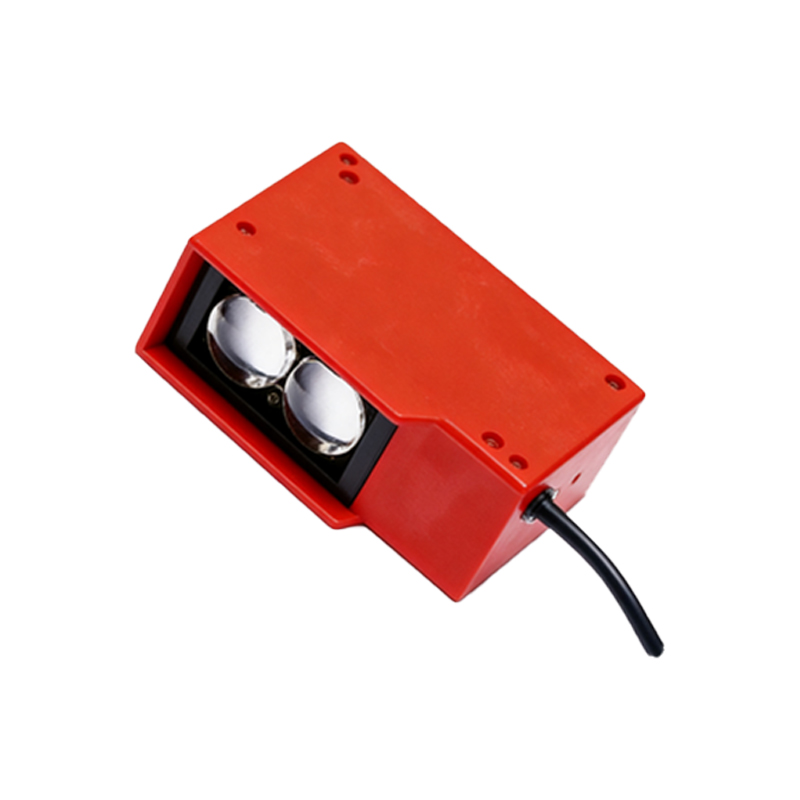
Proper installation is crucial for the longevity and reliability of signal lines. Cables should be routed away from high-voltage power lines and moving parts to prevent damage or interference. Using cable conduits or trays can offer additional protection. During maintenance, regular inspections for wear, corrosion, or loose connections help prevent failures. It's also important to follow manufacturer guidelines for bending radii and tension limits to avoid internal wire breakage. In case of signal issues, troubleshooting often involves checking continuity, shielding integrity, and connector cleanliness. Implementing these practices minimizes downtime and extends the lifespan of both sensors and cables.
Impact on System Performance
The quality of photoelectric sensor signal lines directly affects overall system performance. Poor-quality or damaged cables can lead to signal loss, false triggers, or delayed responses, compromising automation accuracy. For instance, in packaging lines, a faulty signal might cause misaligned product placement, resulting in waste. High-performance cables with robust shielding and durable materials ensure consistent data transmission, even in demanding settings like automotive assembly or food processing. Investing in reliable signal lines reduces maintenance costs and enhances productivity, making them a key factor in achieving efficient industrial operations.
Future Trends and Innovations
Advancements in technology are shaping the evolution of photoelectric sensor signal lines. Trends include the integration of smart features, such as diagnostic capabilities that alert users to potential cable failures before they occur. Wireless options are emerging for applications where cabling is impractical, though wired lines remain dominant for reliability. Additionally, eco-friendly materials and miniaturized designs are gaining traction to support sustainable and compact automation systems. As Industry 4.0 and IoT expand, signal lines will likely incorporate higher data transmission rates and enhanced connectivity, further boosting industrial efficiency and adaptability.