Introduction to Photoelectric Sensor Flip Cover Devices
In the realm of industrial automation, the integration of sensing technology with mechanical actuation is paramount for creating intelligent, efficient, and reliable systems. Among the various innovations, the photoelectric sensor flip cover device stands out as a sophisticated solution for object detection, access control, and process initiation. This device combines the precision of photoelectric sensing with a protective or actuating mechanical flip cover, offering a robust interface between automated machinery and its operational environment. Typically employed in packaging lines, material handling systems, safety interlocks, and inspection stations, these devices ensure that processes are triggered only when specific conditions are met, thereby enhancing operational safety and precision.
Core Components and Working Principle
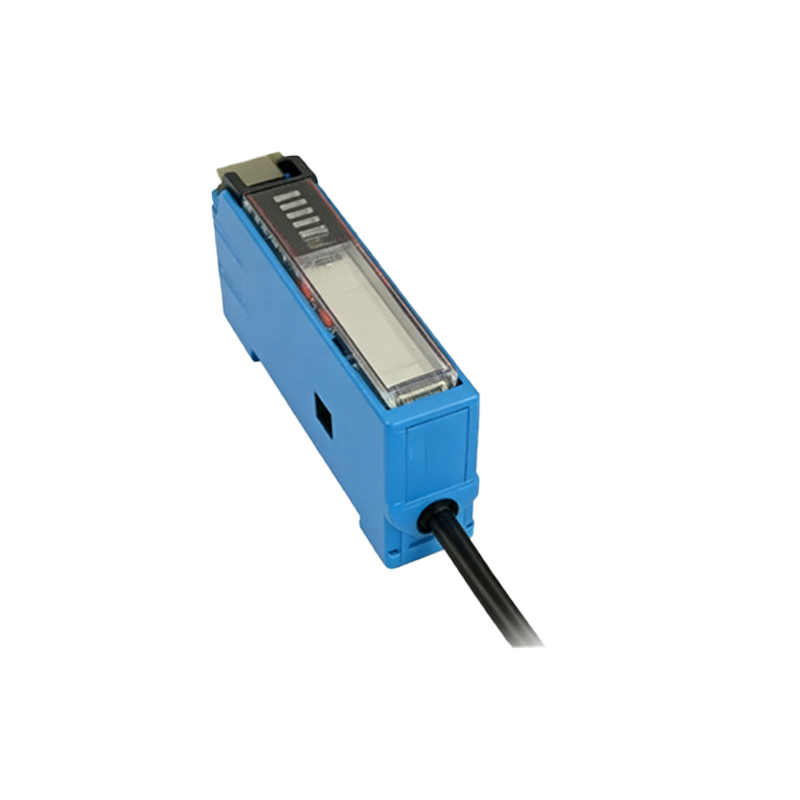
A standard photoelectric sensor flip cover device comprises two primary subsystems: the photoelectric sensor unit and the mechanical flip cover mechanism. The sensor unit, often based on through-beam, retro-reflective, or diffuse reflection principles, emits a beam of light—usually infrared, visible red, or laser. A receiver detects the presence or interruption of this beam. The flip cover, a hinged or sliding protective shield, is mechanically linked to an actuator, such as a solenoid or a small servo motor. The core logic is straightforward: when the sensor detects a target object (e.g., a product on a conveyor), it sends an electrical signal to the control unit. This unit then commands the actuator to flip open the cover, allowing for subsequent actions like labeling, coding, or further inspection. Conversely, in safety applications, the cover might remain closed, only flipping open when a safe condition is verified by the sensor, preventing accidental access to hazardous areas.
Key Advantages in Industrial Applications
The deployment of photoelectric sensor flip cover devices brings several tangible benefits to industrial settings. First and foremost is enhanced reliability. By physically protecting the sensor's optical components from dust, moisture, oil mist, and mechanical impact, the flip cover significantly extends the sensor's service life and maintains detection accuracy. Secondly, it improves process certainty. The mechanical action of the cover provides a positive, visual confirmation that a detection event has occurred and the system has responded, which is crucial for quality control and audit trails. Furthermore, these devices contribute to operational safety. In guarding applications, they can serve as a physical barrier that only retracts when no personnel are detected in a danger zone, complying with stringent safety standards like ISO 13849.
Design Considerations and Selection Criteria
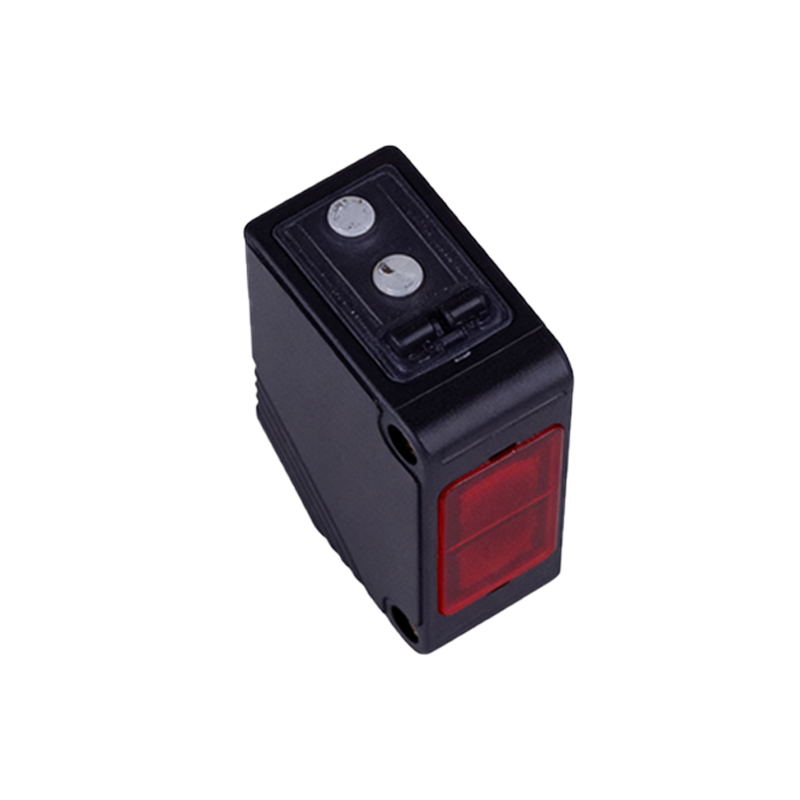
Selecting or designing an appropriate photoelectric sensor flip cover device requires careful consideration of several technical parameters. The sensing range and type must match the application's requirements; for long-range detection, a through-beam sensor with a high-power emitter is ideal, while for short-range, diffuse sensors might suffice. The material and construction of the flip cover are critical—it must be durable enough to withstand the industrial environment, often requiring IP67 or higher ingress protection ratings. The speed of actuation is another vital factor; the flip mechanism must operate fast enough to keep pace with the production line cycle time. Additionally, compatibility with the factory's control system (e.g., PLC communication protocols like IO-Link, PROFINET) is essential for seamless integration and data exchange.
Installation, Calibration, and Maintenance
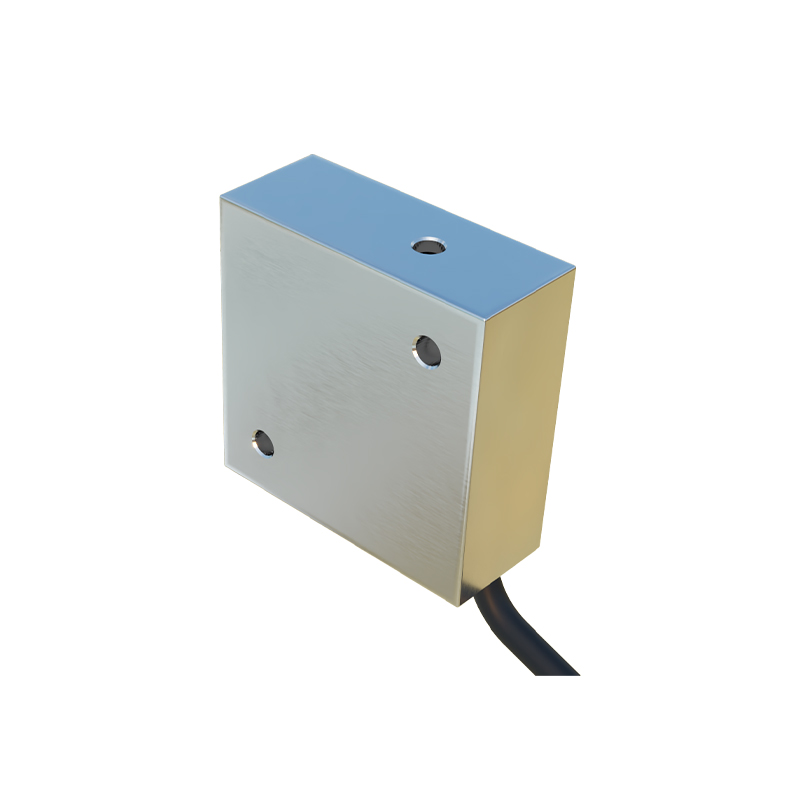
Proper installation is fundamental to optimal performance. The device must be securely mounted to avoid vibrations that could cause false triggers or mechanical wear. Alignment of the photoelectric sensor beam is crucial, especially for through-beam types, and the flip cover's path must be clear of obstructions. Initial calibration involves setting the sensor's sensitivity and defining the delay timers for the cover's open/close sequence relative to the detection signal. Routine maintenance typically includes cleaning the optical windows of the sensor and the cover's moving parts to prevent buildup of contaminants. Lubrication of hinges or sliders, as per the manufacturer's guidelines, ensures smooth mechanical operation. Periodic functional checks should verify both the sensing accuracy and the reliability of the mechanical flip action.
Future Trends and Technological Integration
The evolution of photoelectric sensor flip cover devices is closely tied to broader trends in Industry 4.0 and smart manufacturing. Future iterations are likely to feature integrated intelligence, with sensors providing not just a binary signal but also diagnostic data (e.g., lens contamination levels, actuator health) via advanced industrial networks. The integration of machine vision capabilities could allow the device to not only detect presence but also identify objects, triggering the flip cover only for specific items. Miniaturization and the use of advanced, lightweight composite materials will enable their use in more compact and delicate automation systems, such as those in electronics assembly. Ultimately, these devices will become more adaptive and self-configuring, reducing setup time and contributing to more flexible, resilient production lines.