Introduction to Photoelectric Sensors
Photoelectric sensors are widely used in industrial automation for detecting objects, distances, or changes in light intensity. They operate by emitting a light beam, typically from an LED or laser, and measuring the reflection or interruption of that beam. These sensors are essential in various applications, from manufacturing lines to packaging systems, due to their high accuracy and non-contact nature. However, one common question arises: are photoelectric sensors waterproof? The answer depends on the specific design and ratings of the sensor, as not all models are built to withstand water exposure. Understanding the waterproof capabilities is crucial for ensuring reliable performance in harsh environments, such as outdoor settings or wet industrial areas. This article explores the factors that determine whether a photoelectric sensor is waterproof and how to select the right one for your needs.
Understanding IP Ratings for Waterproofing
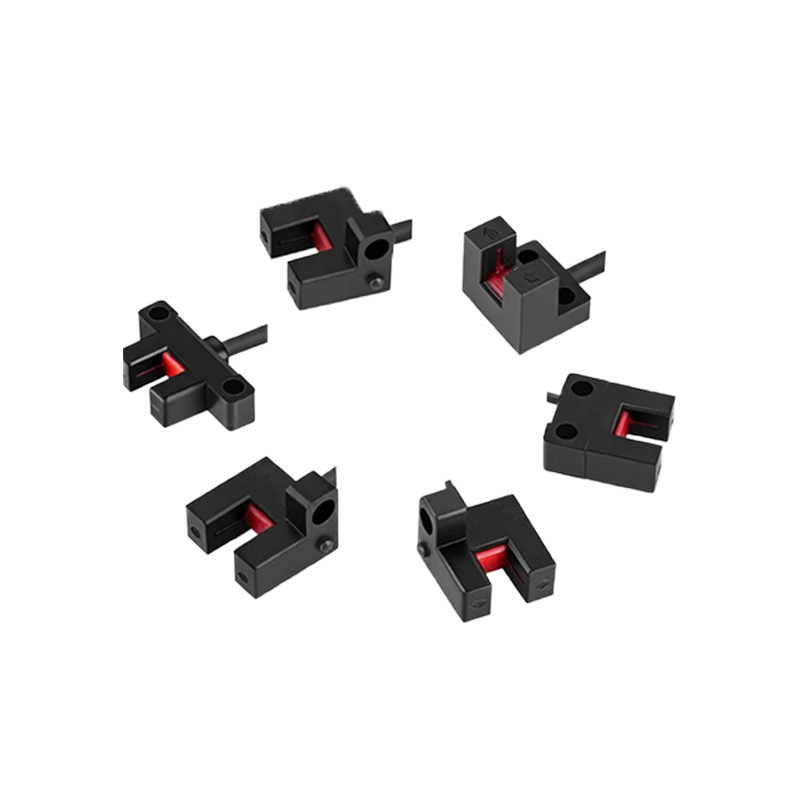
To determine if a photoelectric sensor is waterproof, it's essential to look at its Ingress Protection (IP) rating. The IP rating is an international standard that classifies the degree of protection provided by enclosures against intrusion from solids and liquids. It consists of two digits: the first digit indicates protection against solid particles (like dust), and the second digit indicates protection against liquids (such as water). For example, an IP67 rating means the sensor is dust-tight (6) and can withstand temporary immersion in water up to 1 meter deep for 30 minutes (7). Higher ratings, like IP68 or IP69K, offer even greater waterproofing, with IP68 allowing continuous immersion and IP69K resisting high-pressure, high-temperature water jets. When selecting a photoelectric sensor for wet conditions, checking the IP rating is a key step to ensure it meets the environmental demands of your application.
Types of Photoelectric Sensors and Water Resistance
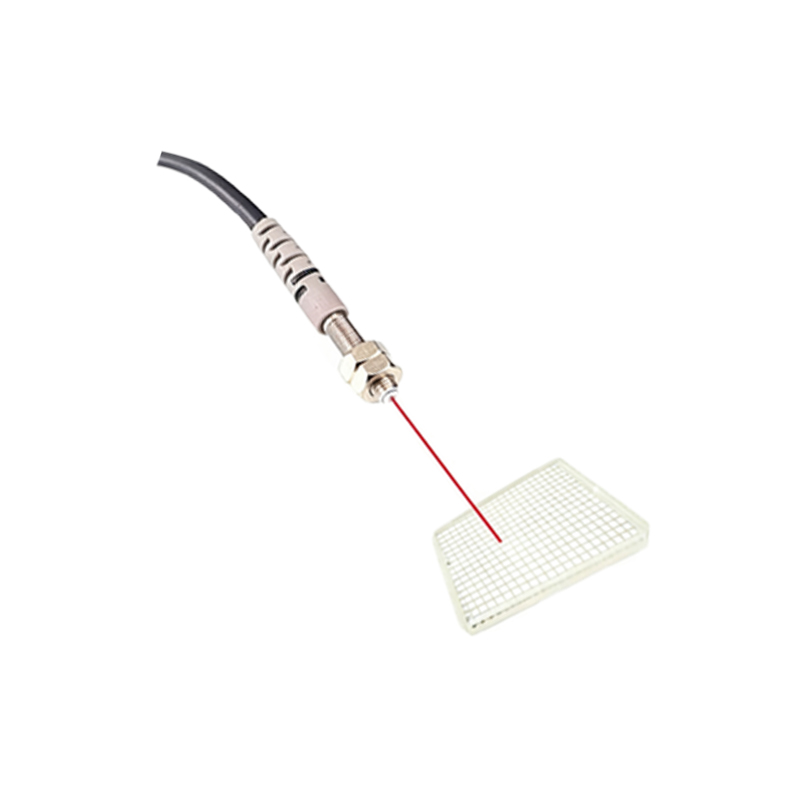
Photoelectric sensors come in various types, including through-beam, retro-reflective, and diffuse models, each with different construction features that affect water resistance. Through-beam sensors, which have separate emitter and receiver units, often have robust housings that can be designed with high IP ratings for waterproofing. Retro-reflective sensors, which use a reflector to bounce light back, may have similar durability if sealed properly. Diffuse sensors, which detect objects by reflecting light directly off them, might be more vulnerable if not adequately protected. Manufacturers often produce specialized waterproof versions of these sensors, featuring sealed casings, gaskets, and corrosion-resistant materials like stainless steel or polycarbonate. It's important to consult product specifications or datasheets to verify the water resistance level for each sensor type, as standard models may not be suitable for damp or submerged environments.
Applications Requiring Waterproof Photoelectric Sensors
Waterproof photoelectric sensors are critical in many industries where exposure to moisture, rain, or liquids is common. In food and beverage processing, for instance, sensors must withstand frequent washdowns with water and cleaning chemicals to maintain hygiene standards. Similarly, in automotive manufacturing, sensors used in painting or assembly lines may encounter water splashes or humid conditions. Outdoor applications, such as in agriculture or traffic control systems, also demand waterproof sensors to operate reliably in rain or snow. Additionally, marine and wastewater treatment facilities rely on these sensors to function in fully submerged or highly corrosive settings. By choosing sensors with appropriate IP ratings, businesses can prevent failures, reduce maintenance costs, and ensure continuous operation in challenging environments.
How to Select a Waterproof Photoelectric Sensor
Selecting the right waterproof photoelectric sensor involves considering several factors beyond just the IP rating. First, assess the specific environmental conditions, such as the level of water exposure (e.g., occasional splashes vs. constant immersion), temperature ranges, and potential chemical contact. Next, evaluate the sensor's performance requirements, including sensing range, response time, and output type (e.g., analog or digital). It's also wise to look for additional features like rugged housing materials, such as IP69K-rated stainless steel for extreme conditions, or FDA-compliant designs for food industry use. Consulting with manufacturers or suppliers can provide insights into custom options or certifications. Always test the sensor in a simulated environment if possible, and review warranty and support terms to ensure long-term reliability and protection against water damage.
Maintenance and Care for Waterproof Sensors
Even with high waterproof ratings, photoelectric sensors require proper maintenance to sustain their performance over time. Regular inspections should include checking for cracks in the housing, worn seals, or corrosion on connectors, which can compromise water resistance. Cleaning the sensor lens with a soft, damp cloth can prevent buildup of dirt or residues that might affect light transmission, but avoid using harsh chemicals unless specified by the manufacturer. In submerged applications, ensure that mounting hardware and cables are also rated for waterproofing to prevent leaks. Following the manufacturer's guidelines for installation and operation is crucial; for example, avoid exceeding the recommended temperature or pressure limits. By implementing a routine maintenance schedule, users can extend the lifespan of waterproof photoelectric sensors and avoid unexpected downtime in critical processes.
Conclusion on Waterproof Capabilities
In summary, photoelectric sensors can be waterproof, but this depends on their design and IP ratings. Not all sensors are created equal—some are built for dry, indoor use, while others are engineered to handle wet, harsh conditions. By understanding IP ratings, selecting the appropriate sensor type, and considering application-specific needs, users can find reliable waterproof solutions. Whether for industrial washdowns, outdoor installations, or submerged operations, investing in properly rated photoelectric sensors ensures accuracy and durability. Always verify specifications and perform due diligence to match the sensor to the environment, thereby optimizing performance and minimizing risks related to water exposure.