Introduction to Photoelectric Sensors in Pneumatics
Photoelectric sensors are indispensable components in modern industrial automation, particularly within pneumatic systems. These devices operate by emitting a beam of light, typically from an LED, and detecting changes in the received light signal caused by the presence or absence of a target object. In pneumatic applications, they provide non-contact, precise detection of cylinder piston position, part presence on conveyors, and end-of-travel limits. Their reliability, fast response time, and immunity to magnetic fields make them superior to traditional mechanical limit switches in many pneumatic setups. The integration of photoelectric sensors enhances the intelligence, efficiency, and safety of pneumatic equipment by providing critical feedback to the programmable logic controller (PLC) or other control systems.
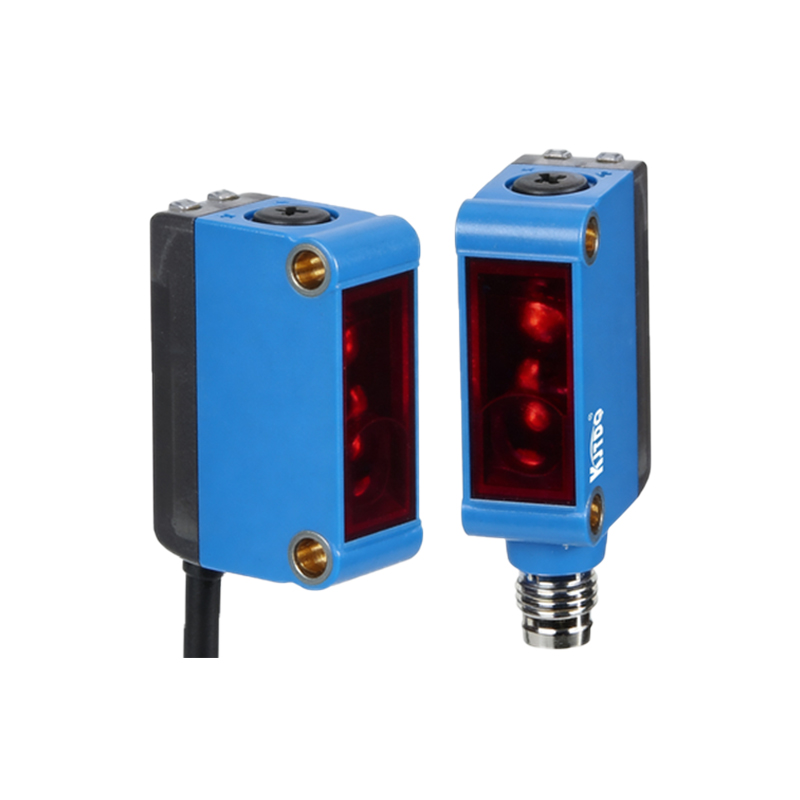
Through-Beam Sensors
Through-beam sensors, also known as opposed-mode sensors, consist of two separate units: a transmitter and a receiver. The transmitter projects a continuous light beam directly to the receiver. An object is detected when it interrupts this beam. This type offers the longest sensing range and highest excess gain, making it highly reliable even in environments with light dust or minor misalignment. In pneumatic systems, through-beam sensors are ideal for detecting the extended or retracted position of large-bore cylinders or for sensing objects on high-speed pneumatic conveying lines. Their primary drawback is the need for two separate mounting points and precise alignment, which can increase installation complexity.
Retro-Reflective Sensors
Retro-reflective sensors house both the emitter and receiver in a single housing. They work by projecting light onto a specialized reflector, which bounces the beam back to the receiver. Detection occurs when an object breaks this reflected beam. These sensors offer a good balance between sensing distance and ease of installation, as only one device and a reflector need to be mounted. They are commonly used in pneumatic machinery to detect pallets, workpieces, or the position of actuator flags. A key feature is the use of polarizing filters to prevent false triggers from shiny objects, which is crucial in metalworking applications common to pneumatic automation cells.
Diffuse Reflective Sensors
Diffuse reflective sensors, or proximity-mode sensors, also contain the emitter and receiver in one unit. They detect an object when the emitted light diffuses off the target's surface and reflects back to the receiver. The sensing distance is shorter and more dependent on the target's color, reflectivity, and surface texture. This makes them perfect for applications where mounting a reflector is impractical. In pneumatic equipment, they are extensively used for short-range detection, such as verifying the presence of a part in a gripper or fixture, or for end-of-stroke detection on compact cylinders where space is limited. Background suppression models are a valuable subtype that can reliably detect an object at a specific distance while ignoring more distant backgrounds.
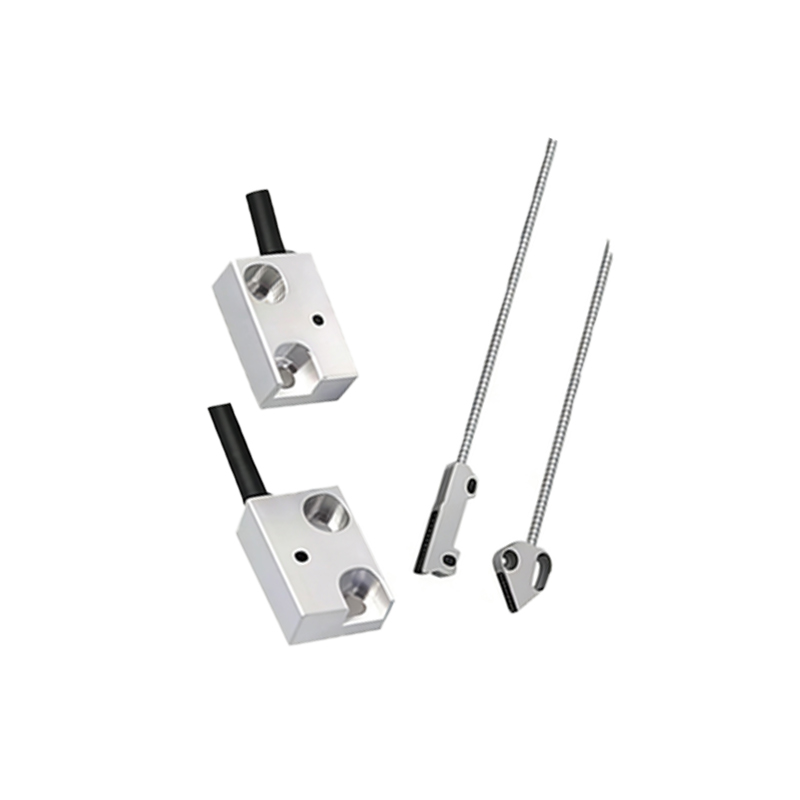
Fiber Optic Photoelectric Sensors
Fiber optic photoelectric sensors separate the amplifier (containing the electronics) from the sensing point via flexible or rigid fiber optic cables. This design allows the sensing head to be extremely small and fit into tight spaces, while the amplifier can be mounted remotely in a protected control cabinet. They are exceptionally resistant to high temperatures, vibration, and electrical noise. For pneumatic systems, fiber optic sensors are the go-to solution for detecting small parts, monitoring valve spool position, or sensing in high-temperature zones near pneumatic dryers or ovens. They can be configured in through-beam, retro-reflective, or diffuse modes by choosing the appropriate fiber optic tips.
Key Selection Criteria for Pneumatic Applications
Selecting the correct photoelectric sensor for a pneumatic application requires careful consideration of several factors. First, the sensing mode (through-beam, retro-reflective, diffuse) must match the physical constraints and detection logic. Second, the sensing range must have a sufficient margin for the application. Environmental conditions are critical; sensors with high IP ratings (e.g., IP67) are necessary to withstand washdowns, oil mist, and dust common in industrial settings. The output type (PNP/NPN, analog, IO-Link) must be compatible with the pneumatic valve manifold or controller. Finally, consider mechanical features like built-in mounting brackets, alignment indicators (for through-beam), and rugged housing materials to ensure longevity in demanding pneumatic environments.
Integration and Troubleshooting Tips
Proper integration is key to reliable operation. Ensure stable mounting to prevent vibration-induced misalignment. Use mounting brackets designed for the specific sensor and cylinder type. For through-beam and retro-reflective sensors, precise alignment is crucial; utilize the sensor's built-in LED indicators for alignment assistance. Electrical wiring should follow EMC guidelines, keeping sensor cables away from power lines to avoid noise interference. Common issues include false triggers from ambient light, which can be mitigated by using sensors with modulated infrared light, and lens contamination, which requires regular maintenance or sensors with contamination warning functions. Always consult the sensor and pneumatic component datasheets for compatibility and performance specifications.