Introduction to Photoelectric Gas Sensing Technology
Photoelectric sensors represent a sophisticated class of detection devices that utilize light to identify and measure the presence of specific gases, including combustible varieties. Unlike traditional catalytic bead or electrochemical sensors, photoelectric methods offer distinct advantages in certain hazardous environments. The core principle involves the interaction between targeted gas molecules and a beam of light, typically infrared (IR). When combustible gases like methane, propane, or butane are present, they absorb infrared radiation at specific, unique wavelengths. By emitting IR light and measuring the attenuation of this light after it passes through a sample of air, the sensor can quantify the gas concentration with high precision. This non-contact, optical method forms the basis for reliable and often maintenance-favorable gas detection systems in industrial settings.
Key Operating Principles: IR Absorption Spectroscopy
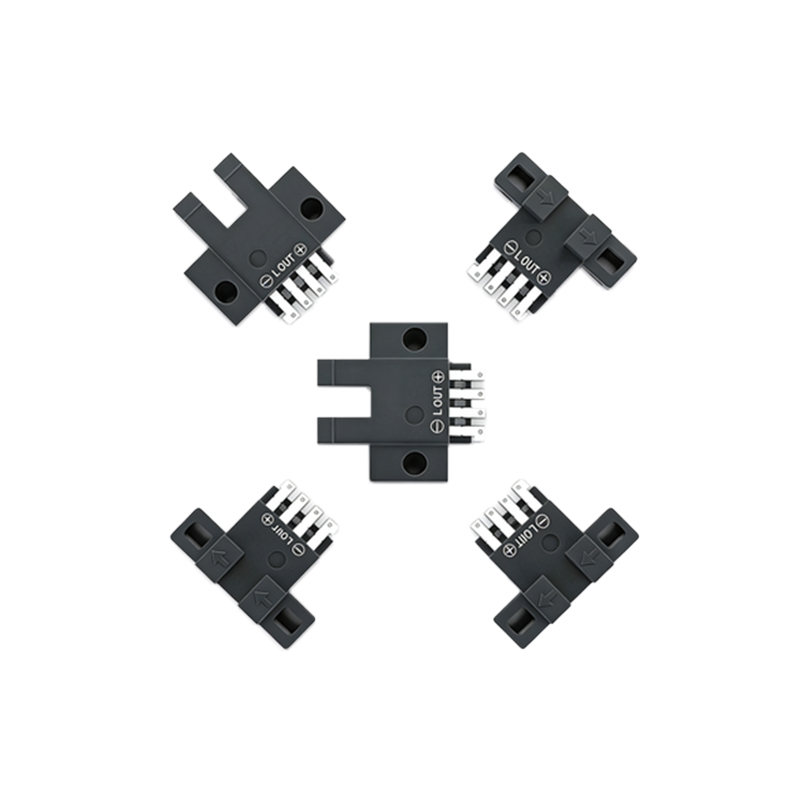
The effectiveness of photoelectric sensors for combustible gases hinges on the scientific principle of infrared absorption spectroscopy. Every molecular compound absorbs infrared light at characteristic frequencies that correspond to the vibrational modes of its chemical bonds. Hydrocarbons, the primary components of most combustible gases, have strong absorption bands in the mid-infrared region, particularly around 3.3 to 3.5 micrometers for C-H bond stretching. A typical sensor employs an infrared source, an optical path or sample chamber, and a photodetector. The system is often designed with a reference wavelength—a frequency not absorbed by the target gas—to compensate for potential interference from dust, humidity, or aging of optical components. By comparing the intensity of light at the active wavelength to that at the reference wavelength, the sensor calculates a precise concentration level, often expressed as a percentage of the Lower Explosive Limit (LEL).
Advantages Over Traditional Detection Methods
Photoelectric infrared sensors offer several compelling benefits for combustible gas detection. Firstly, they are inherently fail-safe against poisoning. Catalytic bead sensors can be permanently damaged or desensitized by exposure to silicone vapors, lead, or sulfide compounds, whereas optical sensors are immune to such chemical poisoning. Secondly, they require less frequent calibration and have a longer operational lifespan, as there is no consumable catalytic element that degrades over time. Thirdly, they can operate effectively in oxygen-deficient or oxygen-rich environments where catalytic sensors may not function correctly or could pose an ignition risk. Finally, their response time is generally fast, and they provide stable readings with minimal drift, making them suitable for continuous monitoring applications.
Common Applications in Industrial Safety
The application of photoelectric combustible gas sensors is widespread across industries where gas leaks pose a significant fire or explosion risk. In the oil and gas sector, they are deployed for area monitoring around wellheads, pipelines, compressor stations, and offshore platforms. Chemical processing plants utilize these sensors to monitor reactor areas, storage tank farms, and loading bays for volatile organic compounds (VOCs). They are also integral to safety systems in wastewater treatment facilities (for methane), pharmaceutical manufacturing, and underground utility tunnels. Their ability to function without oxygen makes them ideal for inert atmosphere monitoring, such as in purged enclosures or during tank cleaning operations. Often, these sensors are integrated into fixed gas detection systems with alarms and automated shutdown protocols.
Design Considerations and Installation Best Practices
Successful implementation of a photoelectric gas detection system requires careful design. The sensor's location is critical; it must be placed where gas is most likely to accumulate, considering factors like gas density (heavier or lighter than air) and air flow patterns. For instance, methane is lighter than air, so sensors should be mounted near the ceiling of an enclosed space. The optical path must be kept clean; therefore, sensors may incorporate filters or blowers to prevent dust and dirt from obscuring the lens. Environmental conditions such as extreme temperatures, high humidity, and corrosive atmospheres must be accounted for by selecting sensors with appropriate ingress protection (IP) ratings and housing materials. Regular functional checks, though less frequent than calibration, are still essential to ensure the optical windows remain clear and the electronics are sound.
Limitations and Potential Interferences
While highly effective, photoelectric IR sensors are not without limitations. They can be more expensive upfront than catalytic bead sensors. Their performance can be affected by the presence of other gases that have overlapping IR absorption bands, potentially leading to cross-sensitivity. For example, water vapor and carbon dioxide have strong IR absorption, but modern sensors use sophisticated optical filters and algorithms to minimize these interferences. Additionally, the presence of fog, heavy mist, or dense smoke in the optical path can scatter the light beam and cause false readings or signal loss. Therefore, a thorough hazard analysis is necessary to select the correct sensor technology for a specific application, sometimes leading to a hybrid system using both photoelectric and catalytic sensors for comprehensive coverage.
Future Trends and Technological Advancements
The future of photoelectric gas sensing is geared towards enhanced intelligence, miniaturization, and connectivity. Developments in laser-based spectroscopy, such as Tunable Diode Laser Absorption Spectroscopy (TDLAS), offer even higher selectivity and sensitivity for specific gases over long open paths. The integration of micro-electro-mechanical systems (MEMS) is leading to smaller, lower-power sensors suitable for portable detectors and Internet of Things (IoT) applications. Furthermore, advancements in data analytics and wireless communication enable predictive maintenance, real-time cloud-based monitoring, and integration with plant-wide safety instrumented systems (SIS). These trends promise to make photoelectric combustible gas detection more accessible, reliable, and integral to the evolving landscape of industrial safety and automation.