Understanding Short-Wave Infrared Technology
Short-wave infrared (SWIR) photoelectric sensors represent a significant advancement in industrial sensing technology. Operating typically within the wavelength range of 0.9 to 1.7 micrometers, SWIR sensors bridge the gap between visible light and mid-wave infrared. Unlike traditional visible light sensors, SWIR light interacts with materials in unique ways, offering penetration through certain obscurants like smoke, fog, or silicon, while being highly reflective off metallic surfaces. The core principle involves an emitter, usually a laser diode or LED producing SWIR light, and a receiver that detects the reflected or interrupted signal. This specific spectral band allows these sensors to "see" what is invisible to both the human eye and standard photoelectric sensors, enabling detection based on material composition rather than just color or contrast.
Key Advantages Over Traditional Sensors
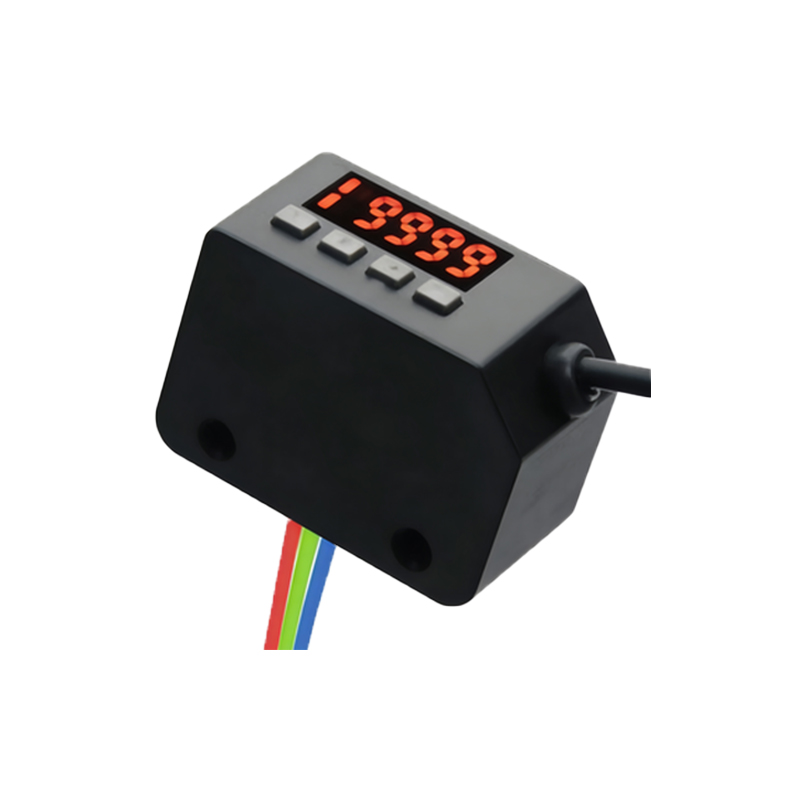
The primary benefits of SWIR photoelectric sensors stem from their unique operating wavelength. A major advantage is their ability to perform reliably in challenging environmental conditions. They are less susceptible to interference from ambient visible light, making them ideal for applications with high background illumination. Furthermore, many plastics and polymers that are opaque in visible light are transparent in the SWIR range. This allows for detection through packaging or container walls. Another critical advantage is in color and material differentiation. Since SWIR reflectance varies significantly between materials like different types of plastics, metals, or organic substances, these sensors can distinguish between objects that appear identical in visible light, vastly improving sorting and quality control accuracy.
Core Industrial Applications and Use Cases
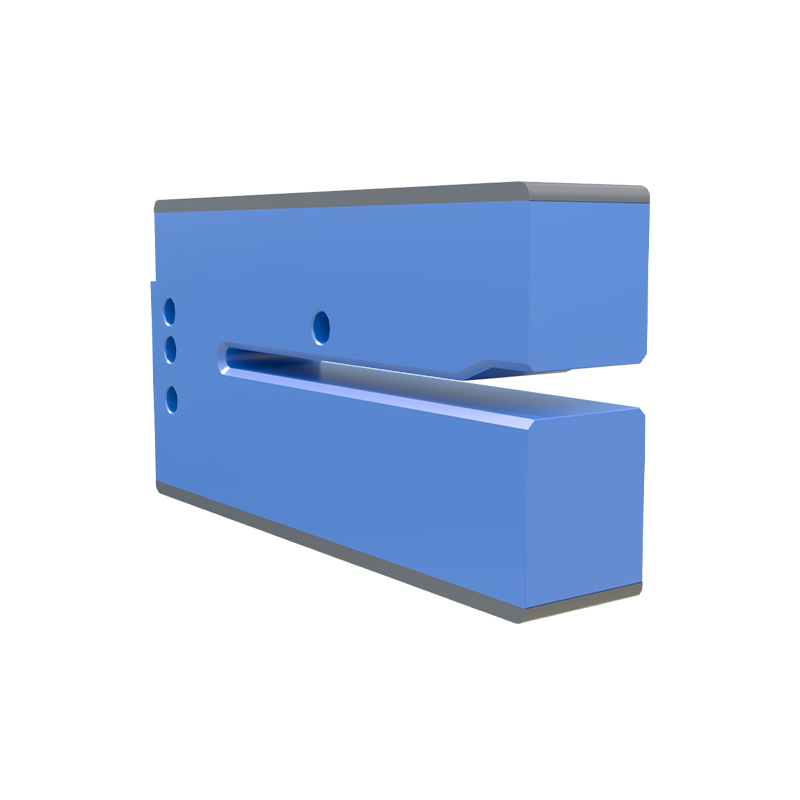
The practical applications of SWIR photoelectric sensors are diverse and growing. In the semiconductor and electronics industry, they are indispensable for wafer inspection and alignment, as silicon is transparent to SWIR light, allowing sensors to see through wafers to detect markings or structures on the backside. In food and agricultural processing, they excel at moisture content analysis and detecting foreign materials, as water has distinct absorption bands in the SWIR region. For recycling and material sorting, SWIR sensors can accurately identify and separate different polymer types (e.g., PET, HDPE) based on their spectral signatures. Additional applications include monitoring of fill levels in opaque bottles, inspection of sealed packages, and precision measurement in high-glare environments like welding or glass manufacturing.
Critical Selection Criteria for Engineers
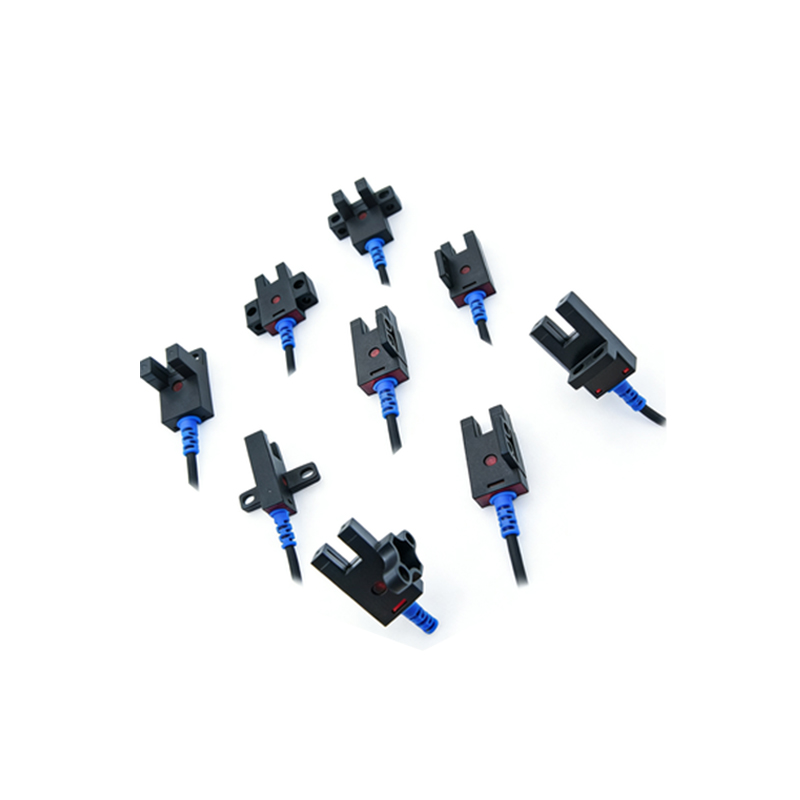
Selecting the right SWIR photoelectric sensor requires careful consideration of several technical parameters. First, define the specific detection task: is it presence sensing, distance measurement, or material identification? This determines whether a diffuse, retro-reflective, or through-beam model is needed. The required sensing range and spot size are paramount; SWIR lasers can achieve very small, precise spots for fine detection. Environmental factors such as temperature extremes, potential for condensation, or exposure to dust must be matched with the sensor's IP rating and operating temperature range. The output type (digital IO-Link, analog 4-20mA, or Ethernet-based) must integrate with the existing control system. Finally, consider the target material's SWIR reflectance properties, which may require testing or consultation with the sensor manufacturer.
Integration and Operational Best Practices
Successful integration of SWIR sensors into an automation system hinges on proper installation and configuration. Mounting stability is crucial to prevent misalignment, especially for through-beam or precise measurement setups. Electrical connections must follow EMC guidelines to prevent noise interference with the sensitive SWIR signal. During commissioning, fine-tuning the sensitivity and response time is essential to avoid false triggers while ensuring reliable detection. Many modern SWIR sensors offer teach-in functions or software suites for easy setup. Regular maintenance involves keeping the lens clean from dust and debris and verifying performance through periodic checks. Leveraging advanced features like background suppression (using time-of-flight principles adapted for SWIR) or programmable logic directly on the sensor can simplify system architecture and enhance robustness.
Future Trends and Technological Evolution
The future of SWIR photoelectric sensing is closely tied to advancements in component technology and data processing. The development of lower-cost, higher-power SWIR LEDs and laser diodes is making the technology more accessible for a broader range of applications. Integration with hyperspectral imaging is an emerging trend, where a sensor captures the full SWIR spectrum at each pixel, enabling extremely detailed material analysis. Furthermore, the rise of Industrial IoT is driving the demand for smart SWIR sensors with embedded diagnostics, predictive maintenance capabilities, and direct cloud connectivity for data analytics. Miniaturization is also progressing, enabling their use in tighter spaces and on smaller robotic platforms. As machine vision and AI algorithms become more sophisticated, SWIR sensors will increasingly serve as critical data-gathering nodes for intelligent, adaptive manufacturing systems.