Core Components and Functional Overview
At the heart of every photoelectric sensor lies a fundamental trio of components: the emitter (light source), the receiver (photodetector), and the signal processing circuitry. The emitter, typically a Light Emitting Diode (LED) for visible red, infrared, or laser light, generates a modulated beam of light. This modulation, often at a high frequency, is crucial for distinguishing the sensor's signal from ambient light, ensuring stability and reliability. The receiver, usually a phototransistor, photodiode, or in some cases a specialized IC, detects the presence or absence of this specific light signal. The received signal is then fed into the sensor's internal electronic brain—the amplifier or evaluation circuit. This circuitry conditions the weak electrical signal from the receiver, compares it against a preset threshold, and ultimately triggers a clean, high/low output signal (e.g., NPN/PNP transistor, analog, or IO-Link) to the connected control system like a PLC.
Emitter Assembly: Generating the Light Signal
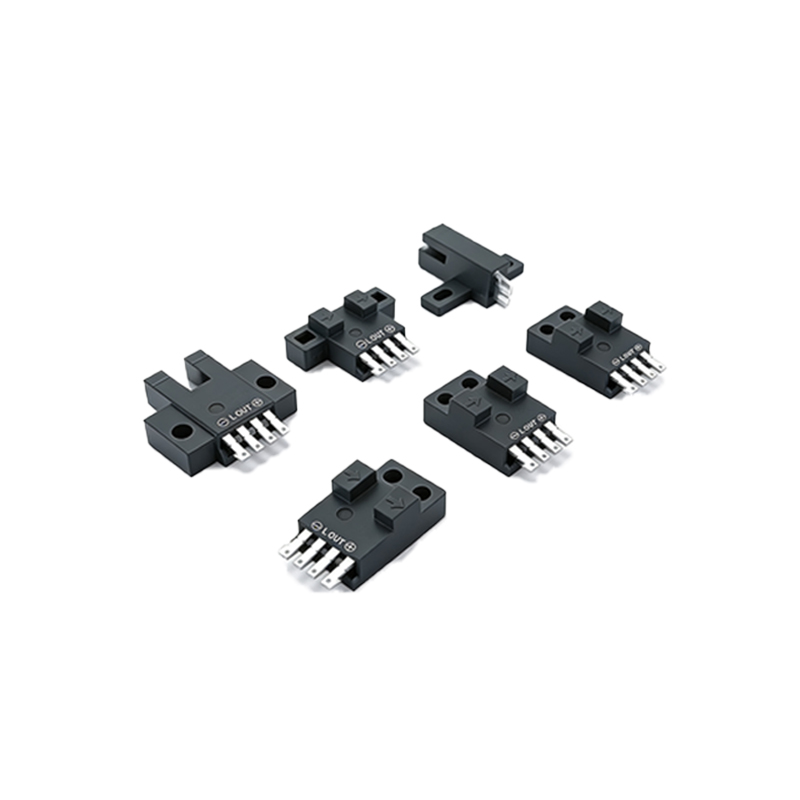
Delving deeper into the emitter assembly, the LED is mounted on a precise substrate within a protective housing. For focused beams, especially in long-range or small-target detection, a lens is integrated directly in front of the LED. This lens collimates the light, creating a tight, parallel beam. In laser diode-based sensors, this assembly includes more complex optics for an exceptionally precise spot. The emitter circuit is driven by an oscillator that pulses the LED at the modulation frequency. This not only provides immunity to ambient light but also significantly extends the LED's operational lifespan compared to continuous operation. The entire assembly is sealed to protect against dust and moisture ingress, which could scatter or attenuate the light beam.
Receiver Unit: The Art of Detection
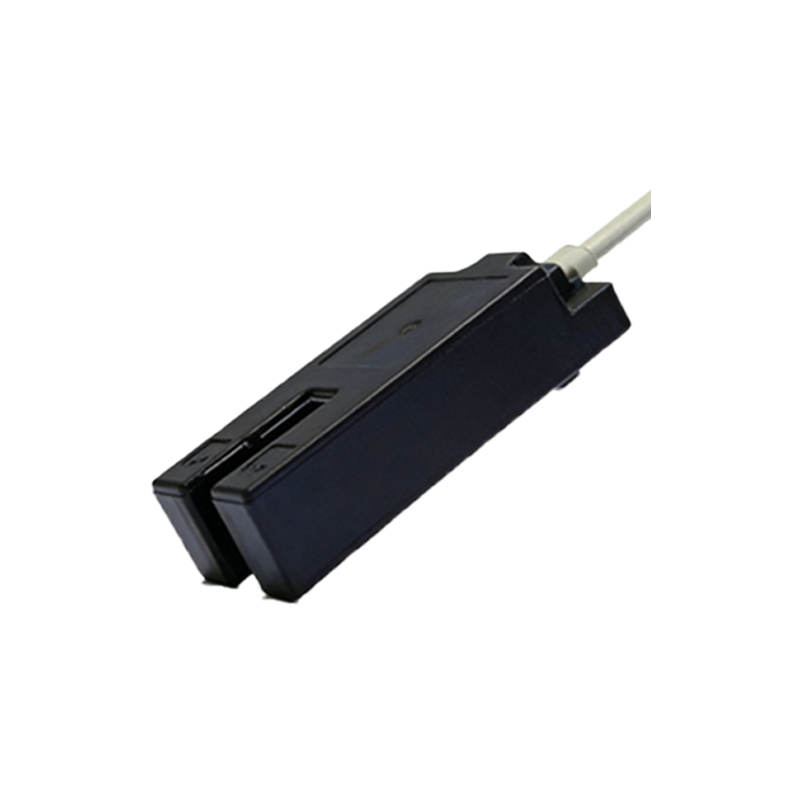
The receiver unit is engineered for sensitivity and selectivity. The photodetector element is positioned behind its own lens system, which collects incoming light and focuses it onto the active area. Optical filters are sometimes employed to block unwanted wavelengths. The core of the detection logic depends on the sensing mode. In a through-beam sensor, the receiver simply looks for the cessation of the modulated signal. In a retro-reflective sensor, the receiver must distinguish the clean beam from a reflector against the potentially distorted beam from a shiny target, often using polarization filters. The most complex is the diffuse (proximity) mode, where the receiver must detect a minute fraction of the emitted light scattered back from the target, demanding high amplifier gain and sophisticated background suppression techniques.
Signal Processing and Amplifier Electronics
The raw signal from the photodetector is minute and noisy. The amplifier board is where intelligence is added. This printed circuit board (PCB) hosts components that amplify, filter, and evaluate the signal. A critical component is the potentiometer or the digital interface for setting the sensitivity threshold. Advanced sensors incorporate microcontrollers that allow for programmable functions like time delays, window mode (high/low limits), and teach-in functionality for automatic threshold setting. The amplifier also houses the output switching element, such as a MOSFET or a relay, and protection circuits against reverse polarity, short-circuits, and overloads. Power regulation circuits ensure stable operation across a wide input voltage range.
Housing, Optics, and Environmental Sealing
The internal components are encapsulated within a housing designed for mechanical robustness and environmental protection. Materials like nickel-plated brass, stainless steel, or engineered plastics are chosen based on the application's demands. The optical windows for emitter and receiver are made from high-quality glass or scratch-resistant polymers, sometimes with anti-reflective coatings. A critical aspect is the ingress protection (IP) rating, achieved through O-rings, gaskets, and potting compounds that seal the housing and cable entry points. This sealing protects the sensitive electronics from dust, water, oils, and chemicals, ensuring reliable operation in harsh industrial environments. Internal mechanical design also ensures precise and stable alignment between the optical components, which is vital for consistent performance.
Specialized Variations and Internal Adaptations
Internal construction varies for specialized sensor types. Fiber-optic photoelectric sensors, for instance, house the emitter and receiver in a separate amplifier unit; the fibers themselves are passive light guides. Background suppression sensors incorporate a position-sensitive detector (PSD) or dual-receiver system internally to triangulate the angle of returning light, allowing them to ignore distant objects. Color recognition sensors integrate multiple receivers with different optical filters and more complex processing algorithms. Laser sensors include precise diffraction-limited optics and safety circuits to ensure laser class compliance. Each variation represents a tailored internal architecture optimized for its specific sensing task, all built upon the foundational emitter-receiver-amplifier principle.