Understanding the Core Principle
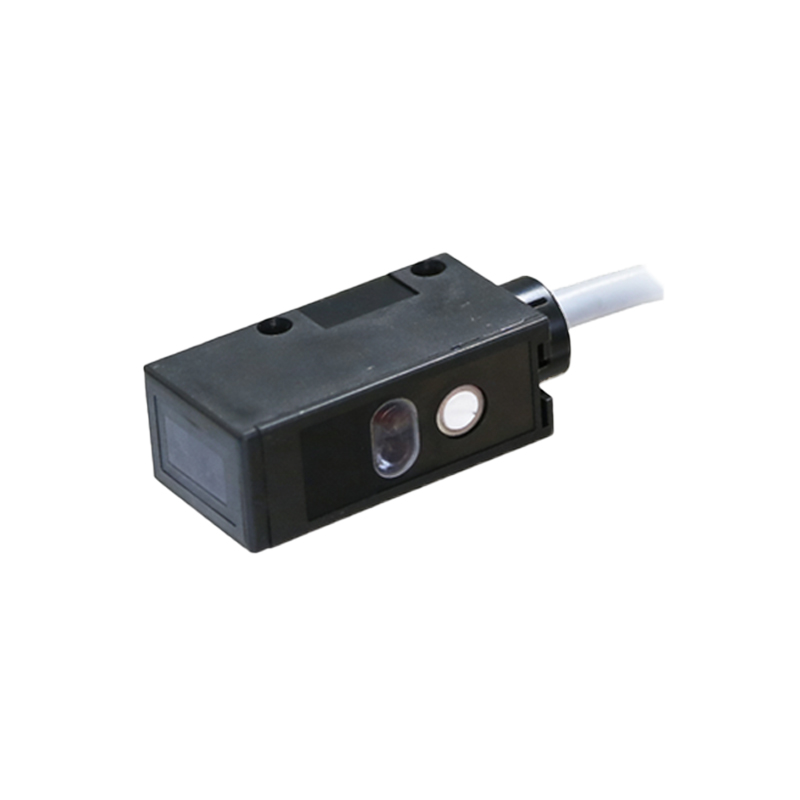
Infrared diffuse reflective photoelectric sensors, often simply called diffuse sensors, operate on a fundamental principle of light reflection. The sensor's integrated emitter projects a beam of modulated infrared light towards a target object. Unlike through-beam or retro-reflective sensors, there is no separate receiver. Instead, the sensor's receiver detects the portion of this light that is diffusely reflected back from the surface of the target object. The sensor's internal circuitry then evaluates the intensity of this returned signal. When the reflected light strength exceeds a pre-set threshold—indicating the presence of an object within the sensing range—the sensor's output switches state. This self-contained, one-unit design makes installation remarkably straightforward, as it only requires mounting a single device and wiring it to a power source and controller.
Key Advantages and Inherent Limitations
The primary advantage of diffuse sensors is their simplicity in setup. With only one component to mount and align, they reduce installation time and complexity compared to through-beam systems. They are highly effective for detecting non-transparent objects without the need for a reflector or a separate receiver unit. This makes them ideal for applications where space is constrained or where mounting a receiver opposite the emitter is impractical. However, this technology comes with inherent trade-offs. The sensing range is typically shorter than that of through-beam or retro-reflective models, as it depends heavily on the target's color, surface texture, and material. Light-colored, matte surfaces reflect more infrared light and can be detected at greater distances, while dark, shiny, or absorbent surfaces significantly reduce the effective range and may require sensor adjustment or a different sensing mode.
Material and Color Dependence in Practice
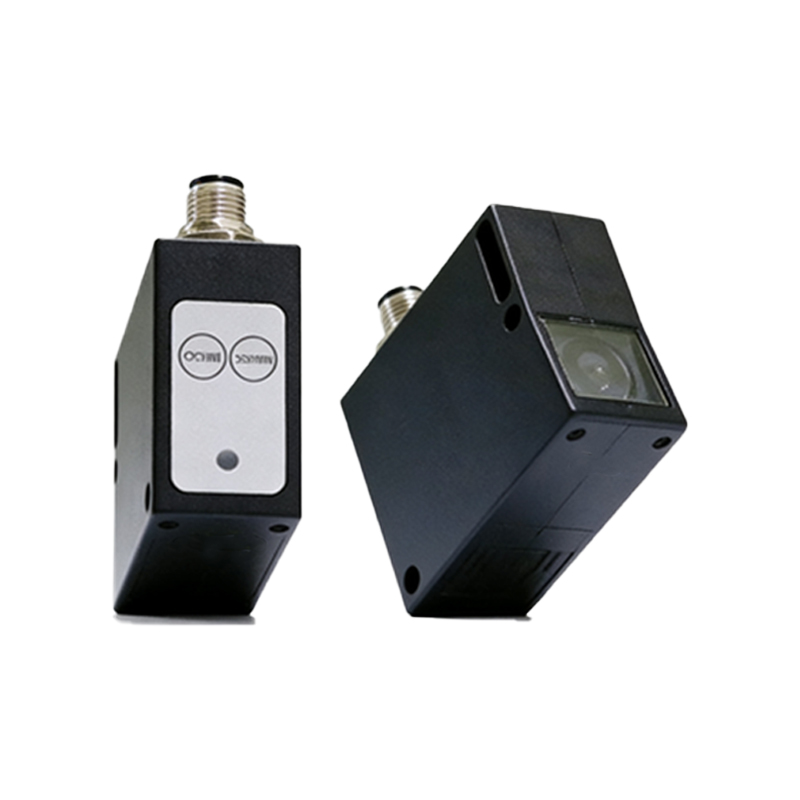
The performance of a diffuse sensor is intrinsically linked to the properties of the target. A white cardboard box may be reliably detected at the sensor's maximum rated distance, whereas a black rubber tire might only be sensed at half that range or less. This is due to the differing coefficients of reflection for infrared light. To combat this variability, many modern diffuse sensors feature background suppression technology. Background Suppression (BGS) or Fixed Field sensors use triangulation principles to detect objects only within a precise, defined distance window, largely ignoring the object's reflectivity. This allows for stable detection of a black object close up, while ignoring a distant, highly reflective white wall, solving a common challenge in material handling and packaging.
Common Industrial Applications and Use Cases
These sensors are ubiquitous in automation and industrial controls. A classic application is object detection on conveyor belts, where they count bottles, boxes, or parts. They are used as presence/absence verifiers at the entry or exit of a machine station. In packaging machinery, they detect whether a case is present for flap folding or labeling. Within automated storage and retrieval systems, they sense the position of totes or trays. Their robustness also makes them suitable for harsh environments; models with sealed housings (IP67/IP69K ratings) are used in food and beverage or pharmaceutical production for washdown areas. Non-industrial applications include touchless faucets, paper detection in printers, and automatic hand dryers.
Critical Selection Criteria for Engineers
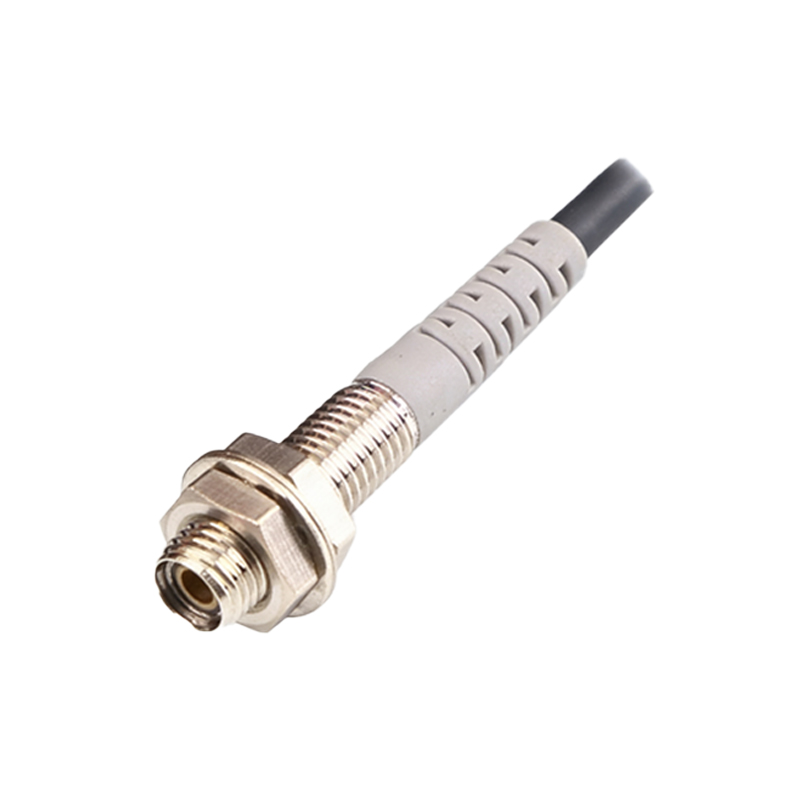
Selecting the correct diffuse sensor requires careful analysis of the application parameters. First, determine the required sensing distance, considering the worst-case scenario (e.g., the darkest object). Next, evaluate the environmental conditions: temperature, potential for dust, moisture, or chemical exposure, which dictate the housing material and ingress protection (IP) rating. The output type is crucial—PNP/NPN transistor outputs for PLCs, analog outputs for distance measurement, or IO-Link for smart sensor capabilities and digital parameterization. Response time must be faster than the object's passage speed. Finally, consider mechanical factors: the physical size of the sensor, mounting style (barrel, rectangular, or slot-style), and the need for specialized lenses or visible red light beams for easier alignment.
Installation Tips and Alignment Best Practices
Proper installation is key to reliable operation. Always refer to the manufacturer's datasheet for the exact sensing characteristics. Ensure the sensor is mounted securely to prevent vibration-induced false triggers. During alignment, use the intended target object for setup, not a makeshift tool with different reflective properties. Many sensors have a potentiometer for sensitivity adjustment or a teach-in button. Adjust the sensitivity so the sensor reliably detects the target but does not trigger on environmental noise like dust or background objects. Maintain a clean lens, as dirt, oil, or debris can scatter or absorb the infrared beam, degrading performance. For challenging backgrounds, a Background Suppression sensor is often the preferred solution to avoid accidental activation.
The Future with Smart Sensor Technology
The evolution of diffuse sensors is tightly integrated with Industry 4.0 trends. Modern sensors increasingly feature IO-Link communication, transforming them from simple switches into intelligent data points. Through IO-Link, parameters like sensitivity, output delay, and switching thresholds can be configured digitally from the controller, enabling quick changeovers for different products. Diagnostic data, such as signal strength, operating temperature, and contamination warnings, can be monitored proactively, facilitating predictive maintenance. This connectivity allows for seamless integration into digital twin models and centralized asset management systems, pushing the humble diffuse sensor from a basic detection device to a contributor in optimized, data-driven manufacturing processes.