Introduction to Photoelectric Sensors in Washer Detection
Photoelectric sensors are widely utilized in industrial automation for precise object detection, including washers. These sensors operate by emitting a light beam, typically infrared or visible light, and detecting changes in the received light intensity caused by the presence or absence of an object. In washer detection applications, photoelectric sensors offer high accuracy, fast response times, and non-contact operation, making them ideal for high-speed production lines. The ability to detect small, metallic washers without physical contact minimizes wear and tear, ensuring long-term reliability and reducing maintenance costs. Industries such as automotive, electronics, and machinery manufacturing rely on these sensors to maintain quality control and streamline assembly processes.
Working Principles and Sensor Selection
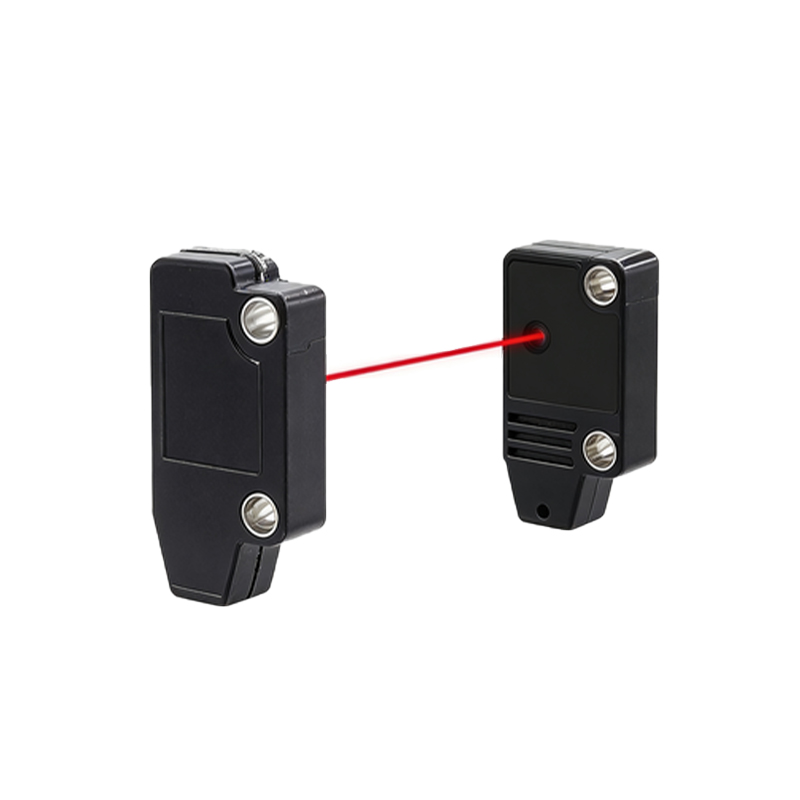
The core principle involves a transmitter and receiver. In through-beam sensors, the transmitter and receiver are separate units, with the washer interrupting the light beam to trigger detection. This method provides long detection ranges and high precision, suitable for washers of various sizes. Alternatively, retro-reflective sensors use a reflector to bounce light back to the receiver, while diffuse reflective sensors detect light scattered off the washer's surface. For metallic washers, which may reflect light inconsistently, sensors with background suppression technology are preferred to ignore reflections from shiny surfaces. Key selection criteria include sensing distance, washer material, environmental conditions (e.g., dust or moisture), and required response speed. Engineers must calibrate sensors based on washer dimensions and production line speed to avoid false triggers.
Installation and Alignment Considerations
Proper installation is critical for optimal performance. Sensors should be mounted securely to avoid vibrations that could misalign the light beam. For through-beam types, precise alignment between transmitter and receiver is necessary; even minor deviations can cause detection failures. Using alignment tools or indicators on the sensor housing can simplify this process. In retro-reflective setups, ensuring the reflector is clean and correctly positioned is essential. The sensor's orientation relative to the washer's path—whether horizontal, vertical, or angled—affects detection reliability. Additionally, ambient light interference from factory lighting should be mitigated by choosing sensors with modulated light signals or protective housings. Regular checks during operation help maintain alignment, especially in dynamic environments where machinery movement may occur.
Challenges and Solutions in Washer Detection
Detecting washers presents unique challenges, such as their small size and potential for overlapping or stacking on conveyor belts. Photoelectric sensors with high resolution and focused beams can distinguish individual washers, even at high speeds. For shiny metallic washers, glare from reflections may cause false readings; polarized filters or sensors with analog outputs for intensity monitoring can address this. In dusty or oily environments, contamination on lens surfaces reduces sensitivity, necessitating sensors with IP67 or higher ratings for protection. Another issue is detecting washers with holes, where light may pass through without interruption. Using sensors with adjustable sensitivity or multiple detection points ensures accurate identification. Integrating sensors with PLCs (Programmable Logic Controllers) allows for real-time adjustments and data logging to troubleshoot detection errors.
Applications and Benefits in Industrial Settings
In practice, photoelectric sensors are deployed in various stages of washer handling, from sorting by size to verifying presence in assembly kits. For instance, in automotive manufacturing, sensors check if washers are correctly placed before bolt fastening, preventing defects. The non-contact nature eliminates mechanical damage to washers, preserving their integrity. Benefits include increased production efficiency through faster detection cycles, reduced downtime due to minimal maintenance, and enhanced quality assurance by catching missing or misaligned washers early. Moreover, these sensors support Industry 4.0 initiatives by enabling connectivity for predictive maintenance and process optimization. Case studies show that implementing advanced photoelectric sensors can reduce error rates by over 90% in washer detection tasks.
Future Trends and Innovations
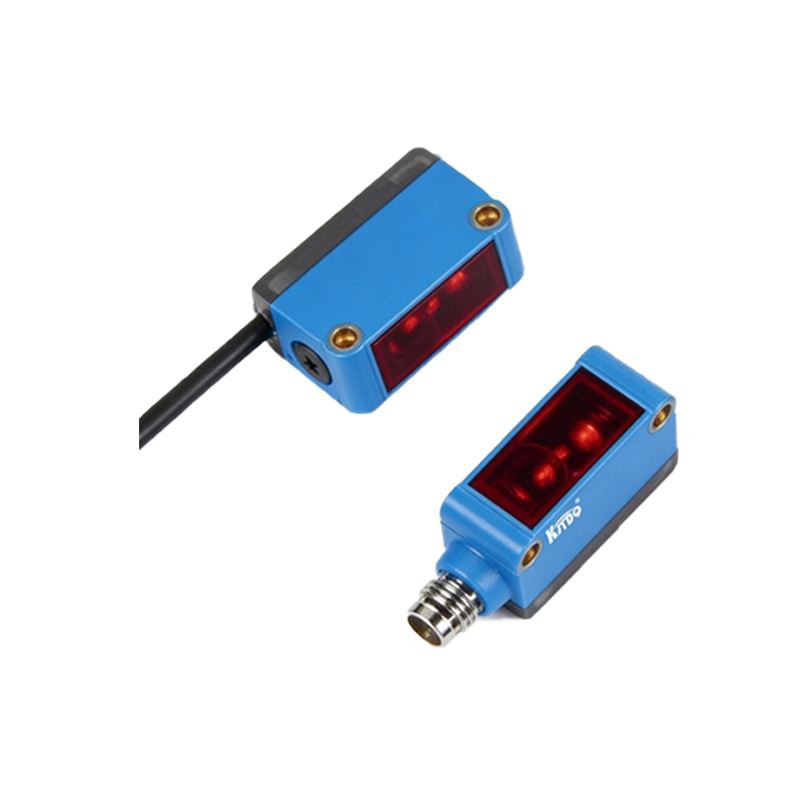
Advancements in photoelectric sensor technology continue to improve washer detection. Smart sensors with IO-Link communication provide diagnostic data, such as signal strength and contamination levels, facilitating proactive maintenance. Miniaturization allows integration into compact spaces, while enhanced algorithms enable better discrimination against background noise. The rise of AI and machine learning may lead to sensors that adapt to varying washer types autonomously. Additionally, energy-efficient designs reduce power consumption, aligning with sustainable manufacturing goals. As industries demand higher precision and flexibility, photoelectric sensors will evolve to offer more customizable solutions, solidifying their role in automated washer detection systems.