Introduction to Photoelectric Sensors
Photoelectric sensors are fundamental components in modern industrial automation, serving as the eyes of a control system. They detect the presence, absence, or distance of objects using a light transmitter and receiver. The DOL27 series represents a significant advancement in this technology, designed to meet the rigorous demands of diverse industrial environments. These sensors operate on the principle of emitting a light beam—typically infrared, visible red, or laser—and detecting changes in the received light signal caused by an object interrupting or reflecting the beam. Their non-contact nature makes them ideal for applications where physical touch could damage the product or the sensor itself, offering high reliability and long operational life.
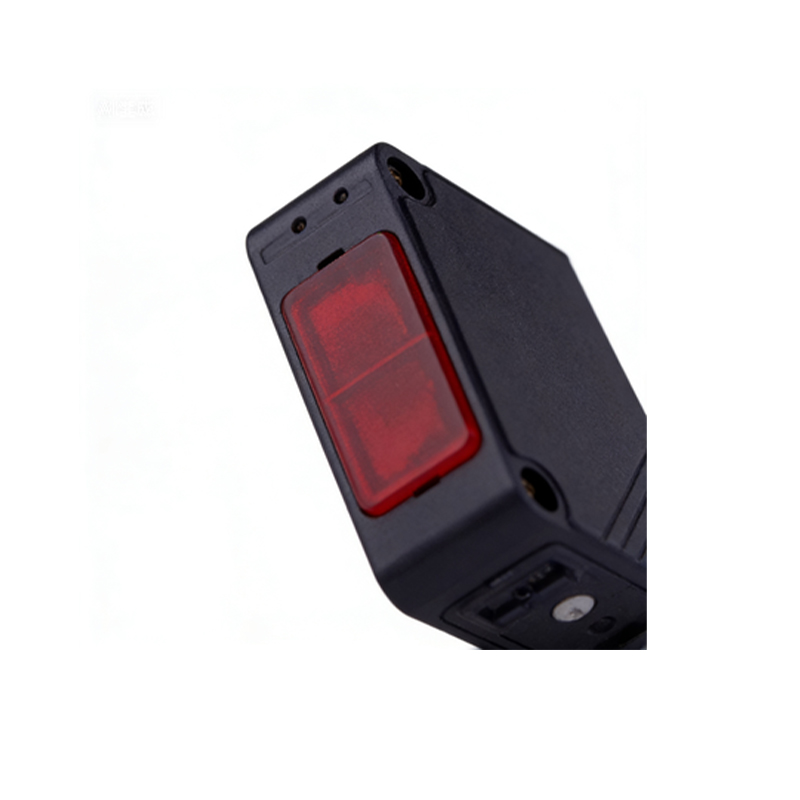
Key Features of the DOL27 Series
The DOL27 photoelectric sensor series is engineered for superior performance and durability. A standout feature is its robust housing, which provides high resistance to dust, water, and mechanical impact, typically rated at IP67 or higher. This ensures reliable operation in harsh conditions such as manufacturing floors, packaging lines, and outdoor settings. The series offers multiple sensing modes: through-beam, retro-reflective, and diffuse reflective, providing flexibility for various application needs. Many models in the DOL27 line incorporate advanced functions like background suppression, which allows for precise detection of objects regardless of their color or reflectivity, and a teach-in function for easy setup and adjustment of sensing ranges without manual potentiometers.
Technical Specifications and Operation
Delving into the technical specifications, the DOL27 sensors typically operate with a supply voltage ranging from 10 to 30 V DC, making them compatible with standard industrial control voltages. Their output is usually in the form of a solid-state NPN or PNP transistor switch, capable of directly interfacing with PLCs (Programmable Logic Controllers), relays, or other control devices. The sensing range varies by model, with some diffuse sensors capable of detecting objects up to several meters away. Response time is exceptionally fast, often in the millisecond range, which is critical for high-speed production and sorting applications. The sensors also feature built-in indicators for power and output status, facilitating quick diagnostics and maintenance.
Application Scenarios in Industry
The versatility of the DOL27 photoelectric sensor makes it applicable across a wide spectrum of industries. In material handling and logistics, they are used for object detection on conveyor belts, pallet counting, and position verification in automated storage and retrieval systems. Within the automotive sector, these sensors ensure precise part positioning during assembly robots and verify the presence of components. In packaging machinery, DOL27 sensors detect labels, control fill levels, and monitor product flow. They are also indispensable in the food and beverage industry for bottle/can detection and cap alignment, where their sealed construction withstands frequent washdowns.
Installation and Alignment Best Practices
Proper installation is crucial for optimal sensor performance. When installing a DOL27 sensor, it is essential to consider the mounting position, ensuring it is secure and free from excessive vibration. For through-beam sensors, precise alignment between the separate transmitter and receiver units is paramount; a misalignment can drastically reduce sensing reliability. Using a manufacturer-provided alignment tool or the sensor's built-in alignment indicator can simplify this process. For diffuse sensors, the mounting angle relative to the target object and potential background surfaces must be considered to avoid false triggers. Environmental factors such as ambient light, dust, and temperature should also be evaluated during the planning stage.
Troubleshooting Common Issues
Even with robust design, users may occasionally encounter issues. Common problems include false triggering, failure to detect, or unstable output. False triggering is often caused by reflective backgrounds, shiny object surfaces, or interference from external light sources like sunlight. Using a sensor with background suppression or installing a physical shield can mitigate this. Failure to detect may result from misalignment, dirty lenses, or an object outside the specified sensing range. Regularly cleaning the lens with a soft cloth and verifying the alignment can prevent such issues. Unstable output might indicate power supply fluctuations or electrical noise; ensuring stable power and using shielded cables for long runs are effective countermeasures.
Advantages Over Other Sensing Technologies
Compared to other proximity sensing technologies like inductive or capacitive sensors, the DOL27 photoelectric sensor offers distinct advantages. Its primary benefit is the ability to detect a vast range of materials, including glass, plastic, wood, and liquid, which inductive sensors (limited to metals) cannot. They also provide a much longer sensing range than capacitive sensors. While ultrasonic sensors share a similar non-contact, long-range capability, photoelectric sensors generally offer faster response times and are less affected by environmental factors like air temperature and humidity. The DOL27's compact size and flexible mounting options further enhance its suitability for space-constrained applications.
Future Trends and Conclusion
The future of photoelectric sensing, as exemplified by the ongoing development of series like the DOL27, points toward greater intelligence and connectivity. Integration of IO-Link communication is becoming increasingly common, allowing for remote configuration, real-time diagnostics, and parameter adjustment directly from a control system. This facilitates predictive maintenance and seamless integration into Industry 4.0 smart factories. Additionally, advancements in laser diode technology are enabling even smaller sensor designs with higher precision and longer ranges. In conclusion, the DOL27 photoelectric sensor is a reliable, versatile, and high-performance solution that addresses core automation needs. Its robust construction, multiple sensing modes, and adaptability make it a critical component for engineers seeking to enhance efficiency, safety, and reliability in automated systems across countless industries.